
 United States
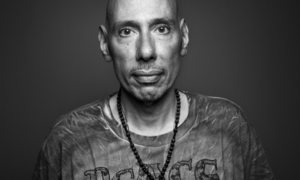
Disco legend Nick Siano performs MTV Rooftoop stage at Homobloc 2024
2 years ago


Studio 54, originally an opera house and television studio, transformed into an iconic New York City nightclub synonymous with the disco era before returning to its theatrical roots as a Broadway venue.
Valentino Beauty brought back the Studio 54 aesthetic for an event during NYFW 2025, promoting their Born in Roma 2025 Rendez-vous fragrance.
Studio 54, located at 254 West 54th Street in Midtown Manhattan, began its life as the Gallo Opera House, opening in November 1927. Founded by theatrical impresario Fortune Gallo, the venue hosted opera productions and legitimate shows during its early years. Facing financial challenges during the Great Depression, it underwent several transformations, operating as the New Yorker Theatre, the Casino de Paree nightclub, and the Palladium Music Hall. In 1937, the Works Progress Administration’s Federal Music Project leased the theater, staging operas and concerts before it became a Broadway venue again in 1939 with “The Swing Mikado” and “Medicine Show.”
Starting in 1942, the venue transitioned into a broadcast studio for CBS, first as Radio Playhouse No. 4 and later as CBS-TV Studio 52 from 1949. During this period, it hosted numerous popular television shows, including “What’s My Line?”, “The $64,000 Question”, “To Tell the Truth”, and “Captain Kangaroo,” becoming one of CBS’s busiest studios. By 1975, the soap opera “Love of Life” was the last show taped there, and CBS put the theater up for sale in 1976.
The most transformative period for the venue began in April 1977 when Steve Rubell and Ian Schrager opened Studio 54 as a nightclub. It quickly became a global symbol of disco, known for its celebrity clientele, lavish parties, strict door policy, and permissive atmosphere. After facing legal issues, including tax evasion convictions for its owners, the original Studio 54 closed in February 1980. The space continued to operate as a scaled-back nightclub under new management, then as The Ritz rock club from 1989, and Cabaret Royale in 1994, before the Roundabout Theatre Company acquired it in 1998 and converted it into a successful Broadway theatre.

Curious about our offerings or have inquiries? We're eager to assist!
Just complete the form, and we'll respond promptly.