

Dr. Tara interviewed for BBC Radio London
1 year ago


 Viet Nam
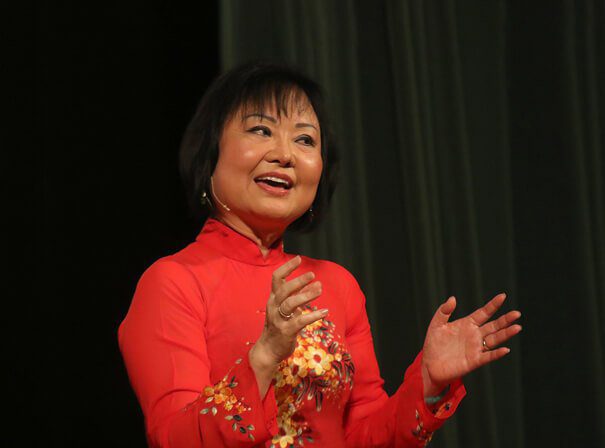
Kim Phuc Phan Thi transformed from an iconic symbol of war into a global advocate for peace and healing, sharing her journey with audiences worldwide.
Kim Phuc Phan Thi was a special guest at an event titled "Napalm Girl" where she participated in a discussion about photographs, together with selected photographers and moderator.
Kim Phuc Phan Thi was featured in an article titled "Fifty Years Later, Kim Phuc Phan Thi Is More Than 'Napalm Girl'", discussing her life beyond the iconic photo and her ongoing advocacy.
The New York Times published an article discussing the ongoing debate about the authorship of the "Napalm Girl" photo and its subject, Kim Phuc Phan Thi.
Richard Branson's blog featured an article about Kim Phuc Phan Thi titled "Kim Phuc: more than Napalm Girl", highlighting her journey and resilience.
Vanity Fair published an article exploring the iconic "Napalm Girl" photograph, featuring Kim Phuc as the central figure and discussing its origins and impact.
Getty Images hosts a collection of "Phan Thi Kim Phuc Photos & High Res Pictures," providing a visual archive of her life and public engagements.
Premier Christianity published an article titled "Kim Phuc Phan Thi: How the bombs led me to Christ," detailing her spiritual journey and conversion.
Wikipedia features information on Phan Thi Kim Phuc, detailing her biography, roles as a UNESCO Goodwill Ambassador, and her association with the "Napalm Girl" photograph.
Kim Phuc Phan Thi appeared on PBS NewsHour for a "Brief But Spectacular" segment, sharing her perspective on pain and forgiveness.
Born on April 6, 1963, in Trảng Bàng, South Vietnam, Phan Thi Kim Phuc became an unwitting worldwide symbol of the Vietnam War at the age of nine. On June 8, 1972, South Vietnamese planes mistakenly dropped napalm on her village, causing her to sustain severe third-degree burns. A photograph, officially titled “The Terror of War,” captured her running naked down a road, her skin burning. This image, widely published and later awarded a Pulitzer Prize, profoundly impacted global public opinion and the anti-war movement. Following the attack, Kim Phuc endured a 14-month hospital stay and underwent 17 surgical procedures, including skin grafts, to treat her extensive injuries.
Despite the physical and emotional trauma, Kim Phuc’s path included resilience and advocacy. In 1982, after being used as a propaganda symbol by the communist government of Vietnam, she found a New Testament that led to her conversion to Christianity, which she credits with helping her heal from anger and bitterness. She later moved to Cuba to continue her studies, where she met her future husband, Bui Huy Toan, an event that marked a turning point in her personal life. In 1993, while on their honeymoon, they sought political asylum in Canada, where she became a citizen in 1997. She subsequently established the Kim Phúc Foundation International, a non-profit organization dedicated to providing medical and psychological assistance to child victims of war.
Kim Phuc utilizes her platform as a UNESCO Goodwill Ambassador to promote peace and reconciliation, sharing her experiences and message of forgiveness globally. She has received numerous honorary degrees and awards for her humanitarian work, including the Order of Ontario and the Dresden Peace Prize. Her life story, from war victim to an international peace activist, is documented in books and documentaries, highlighting her unwavering commitment to helping others and fostering understanding, demonstrating how personal suffering can be a catalyst for global change.

Curious about our offerings or have inquiries? We're eager to assist!
Just complete the form, and we'll respond promptly.