











News  17th February 2026
17th February 2026 

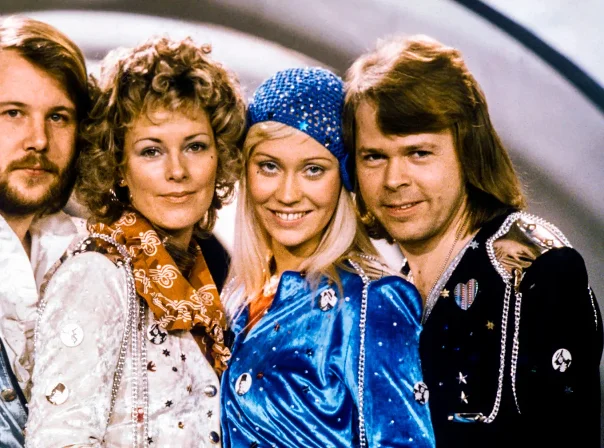
ABBA, the iconic Swedish pop group formed in 1972, consists of Agnetha Fältskog, Björn Ulvaeus, Benny Andersson, and Anni-Frid Lyngstad. They skyrocketed to fame after winning the Eurovision Song Contest in 1974 with “Waterloo,” which became a defining moment in their career. Their unique blend of catchy melodies, harmonies, and theatrical performances captivated audiences worldwide, leading to record sales estimated between 150 to 385 million. Their music transcended generations, with hits like “Dancing Queen” and “Mamma Mia” becoming timeless classics.
Despite their success, the personal lives of the members faced challenges, particularly with the collapse of both marriages within the group. These experiences influenced their songwriting, resulting in deeper, more introspective lyrics in later albums. After disbanding in 1982, the members pursued solo careers, yet their legacy continued to thrive, especially with the release of “ABBA Gold” in 1992, which reignited interest in their music.
ABBA’s impact on popular culture is undeniable, with their songs featured in musicals, films, and even political campaigns. Their music has been celebrated globally, earning them numerous accolades, including induction into the Rock and Roll Hall of Fame in 2010. In 2021, they released their first new album in 40 years, “Voyage,” alongside a groundbreaking concert residency featuring digital avatars of the band members.
The group’s innovative approach to music videos and live performances set new standards in the industry. Their colorful costumes and engaging stage presence left an indelible mark on pop culture, inspiring countless artists and fans. ABBA’s story is one of creativity, resilience, and the enduring power of music, making them one of the most beloved bands in history.

Looking for a different kind of talent? Browse our other talent rosters below to find the right talent to fit.