

Bimini Headlines Fulham Pier for Hammersmith & Fulham’s Youth Arts Festival
13 hours ago


 United States
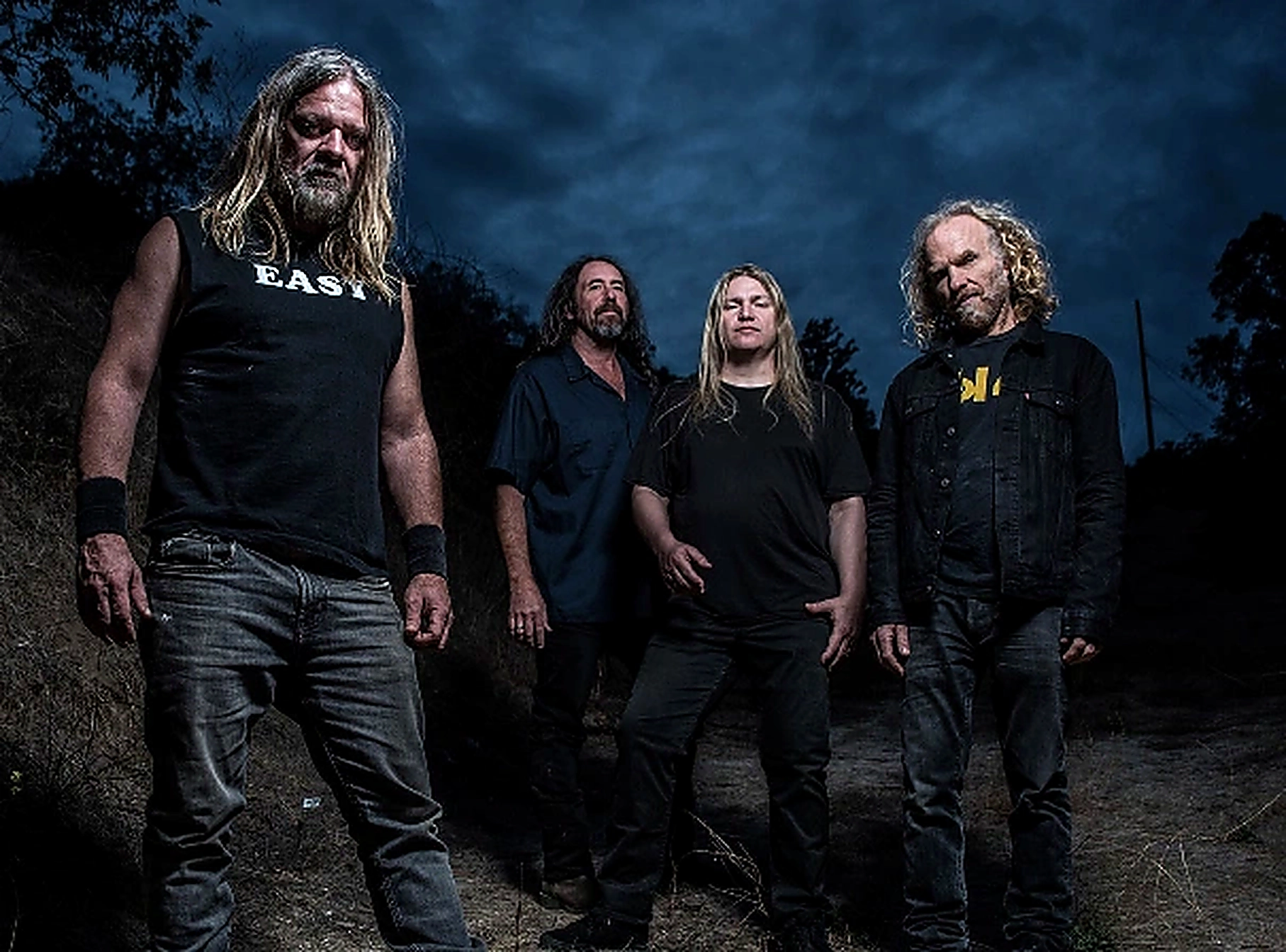
Camper Van Beethoven is an American alternative rock band known for its eclectic blend of genres and influential presence in the indie rock movement.
Interested in booking Camper Van Beethoven?
Request A ShowJonathan Segel later became involved in experimental and electronic music, including collaborations with Fred Frith.
Jonathan Segel later became involved in experimental and electronic music, including collaborations with Joelle Leandre.
Jonathan Segel later became involved in experimental and electronic music, including Chaos Butterfly, an electro-acoustic duo with Dina Emerson.
Victor Krummenacher and Jonathan Segel formed the record label Magnetic together from 1993-2011, releasing various individual and collaborative projects.
Camper Van Beethoven, after releasing a handful of albums independently, signed to Virgin Records.
David Lowery, frontman for Camper Van Beethoven and Cracker, was featured in a Bloomberg article titled 'One Cranky Rocker Takes on the Entire Streaming Music.'
Camper Van Beethoven formed in Redlands, California, in 1983, originating from a series of garage bands such as Sitting Duck and the Estonian Gauchos. Key founding members included David Lowery (bass, vocals), Chris Molla (guitar, multi-instrumentalist), and Victor Krummenacher (bass). The band’s early days were marked by a period of formation while members attended the University of California, Santa Cruz, where they eventually reformed as Camper Van Beethoven and the Border Patrol. Their unique sound, incorporating elements of punk, folk, ska, and world music, allowed them to stand out in the California hardcore punk scene and gained them an international following. The band’s emphasis on do-it-yourself values proved influential to the emerging indie rock genre.
Between 1985 and 1987, Camper Van Beethoven released three independent records, establishing their distinct identity. Their debut single, “Take the Skinheads Bowling” (1985), later featured in Michael Moore’s 2002 film “Bowling for Columbine,” became an early success. The band’s self-titled third album (1986) included guest appearances from Eugene Chadbourne and showcased their evolving sound. A notable turning point occurred in 1987 when the group signed with Virgin Records, leading to the release of two albums. During this period, their 1989 cover of Status Quo’s “Pictures of Matchstick Men” achieved significant chart success, reaching number one on Billboard Magazine’s Modern Rock Tracks. The band disbanded in 1990 due to internal tensions, leading members to pursue other musical projects like Cracker (David Lowery) and Monks of Doom.
The band reunited in 1999, which led to a new phase of activity. They released “Camper Van Beethoven Is Dead. Long Live Camper Van Beethoven” (1999) and followed with “Tusk” (2002), a re-recording of Fleetwood Mac’s album, demonstrating their ability to collaborate effectively once more. In 2004, they released “New Roman Times,” their first studio album of original material in 15 years, a concept album. Camper Van Beethoven continued to tour and release new music, including “La Costa Perdida” (2013) and “El Camino Real” (2014), which showcased a blend of their eclectic style with new influences. The band also contributed two tracks to the “Sharknado 3: Oh Hell No!” soundtrack (2015), maintaining their presence in popular culture.

Curious about our offerings or have inquiries? We're eager to assist!
Just complete the form, and we'll respond promptly.