
 United Kingdom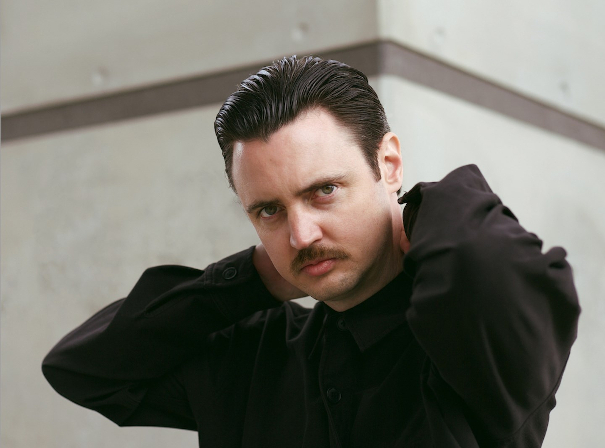

Bimini Headlines Fulham Pier for Hammersmith & Fulham’s Youth Arts Festival
3 hours ago


L-VIS 1990 is a British producer, DJ, and co-founder of the influential Night Slugs label, whose work has significantly shaped contemporary electronic music.
L-Vis 1990 made music for commercials of Nike, demonstrating his ability to produce for commercial placements.
L-Vis 1990 made music for commercials of Prada, indicating his work in fashion advertising.
L-Vis 1990 made music for commercials of Kenzo, showcasing his involvement in high-profile brand collaborations.
James Connolly, known professionally as L-VIS 1990, emerged from the London electronic music scene, establishing himself as a producer and DJ with a distinctive sound. In 2008, he released his eponymous debut EP, marking the beginning of his career in club music. His early work showcased an approach to electronic music that incorporated diverse influences, including UK styles like drum and bass and grime, alongside US sounds such as Chicago house. This fusion contributed to his unique artistic identity and resonated with audiences interested in the evolving landscape of electronic genres. Connolly is also known for his role as co-founder of the Night Slugs label with Alex Sushon, also known as Bok Bok. The label became a platform for club-focused productions that gained recognition for their innovative sound.
Throughout his career, L-VIS 1990 has demonstrated a consistent output of releases and collaborations. His debut album, “Neon Dreams,” released in 2011, further explored his sound, drawing inspiration from retro electro and house while incorporating modern elements. This album received a review from the BBC, noting its homage to 1990s acts like Daft Punk and its blend of nostalgic and contemporary sounds. He has also contributed to the Night Slugs label’s “Club Constructions” series, which focused on avant-garde club tracks. In 2014, he presented the Dance System EP and continued to release singles and EPs on his self-titled label. His work has been played on BBC Radio 1 programs, including Annie Mac’s Friday Night and BBC Radio 1’s Essential Mix, indicating his presence within mainstream electronic music broadcasting.
Beyond his musical releases, L-VIS 1990 has engaged in artist talks, sharing insights into club-focused production. He has also been involved in commercial projects, producing music for brands such as Nike, Prada, and Kenzo, which demonstrates his versatility and ability to work across different creative contexts. These collaborations highlight his reach beyond traditional club circuits, contributing to his profile as a multifaceted artist. His continued activity includes recent releases like “Summer Heat” (2025) and remixes, showcasing an enduring commitment to electronic music production and an ongoing exploration of new sounds and directions.

Curious about our offerings or have inquiries? We're eager to assist!
Just complete the form, and we'll respond promptly.