



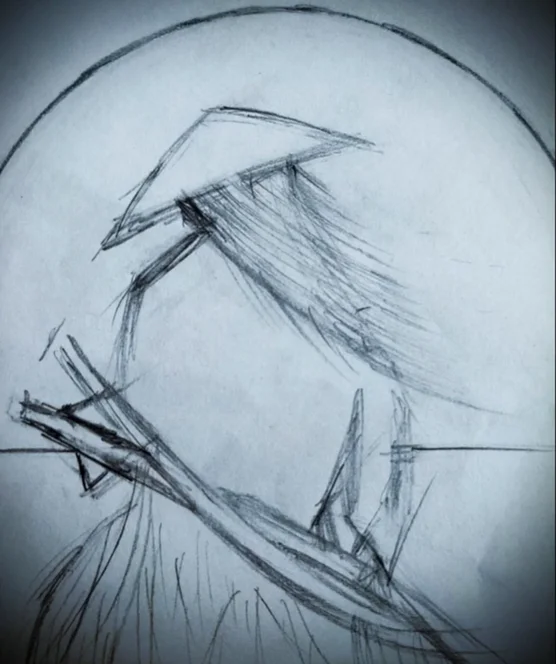
Petros Pierrakos brings cinematic soundscapes to the Japan Festival Greece through a unique art-first debut
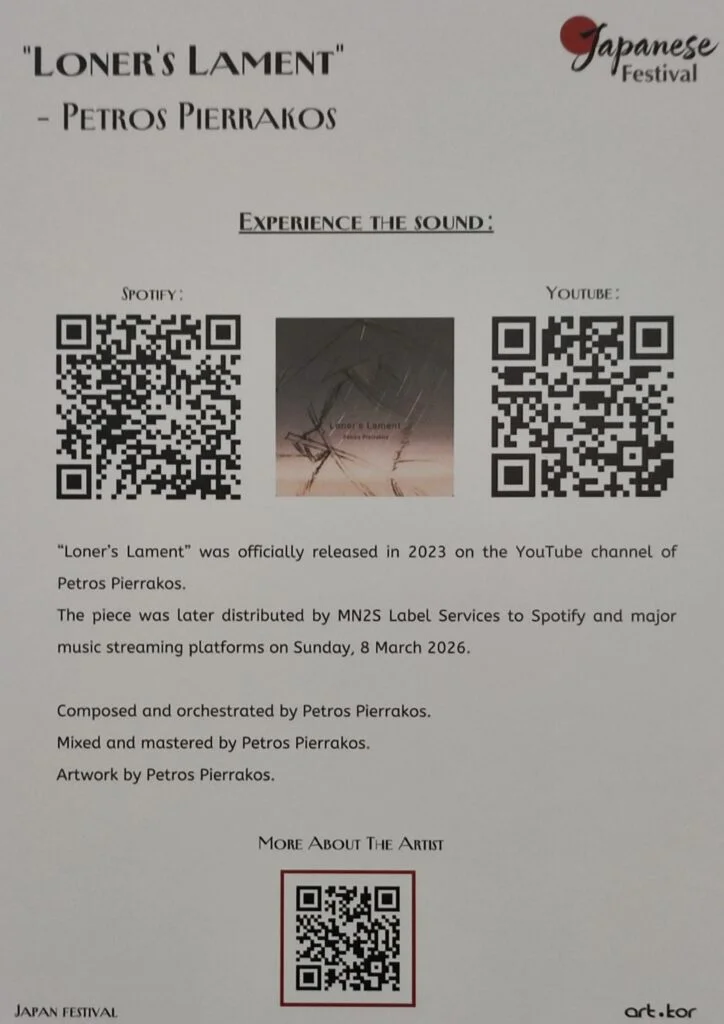
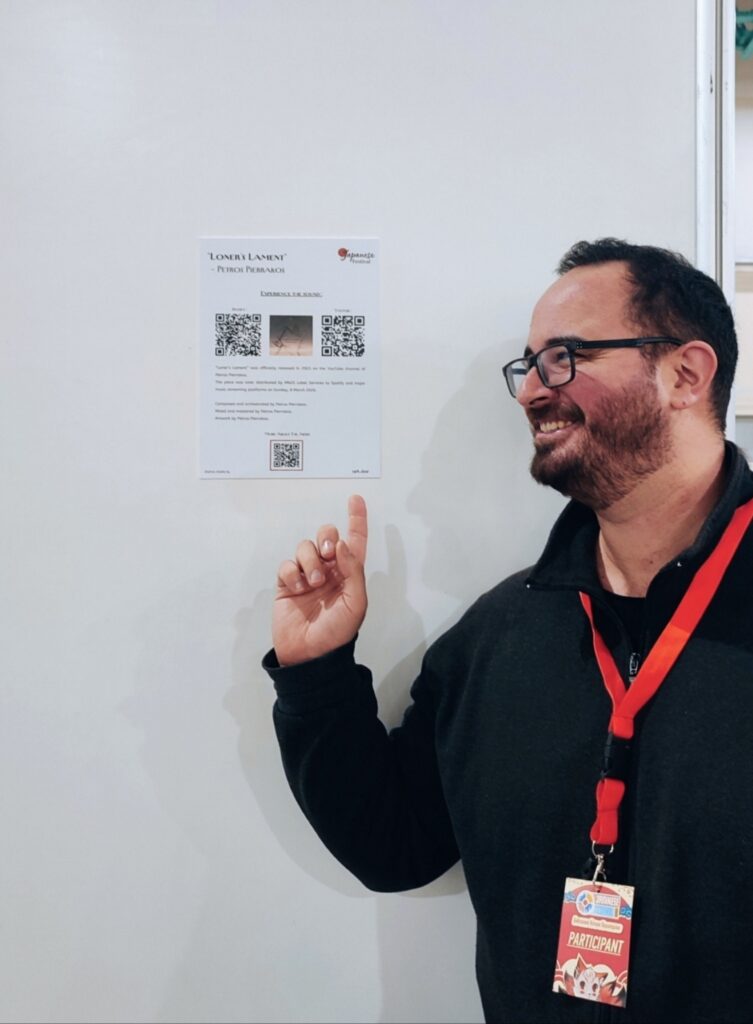
Rather than opting for an immediate commercial rollout, the decision to debut Loner’s Lament as part of a free art exhibition reflected a deliberate artistic vision. Showcasing the piece at the Japan Festival Greece on April 4th and 5th, 2026, provided a unique opportunity to introduce its international character to a broader and more diverse audience. Positioned alongside works from photographers, painters, and designers, the track was able to exist within a multidisciplinary dialogue, an ideal setting for its emotional and atmospheric depth. With its official release through MN2S Label Services arriving shortly before, on March 8th, 2026, the timing allowed the work to bridge both artistic and commercial spaces seamlessly.
A Natural Fit: Sound Meets Cultural Context
For Pierrakos, whose work blends epic and ambient influences, inspiration often stems from history and global cultures. Japanese heritage, in particular, offered a compelling backdrop for Loner’s Lament. Following early discussions with festival organizers, it became clear that the composition would be a strong fit for the exhibition. Further refinements ensured the final version aligned with the festival’s tone, resulting in a piece that complemented both traditional and contemporary Japanese themes.
A Shared Language Between Sound and Vision
Within the exhibition space, Loner’s Lament became part of a broader artistic conversation. Surrounded by paintings, photography, and sculpture inspired by Japanese culture, the music developed a natural synergy with the visual works on display. This convergence created a shared artistic language, allowing visitors to experience a cohesive narrative that blended sound and imagery into a fully immersive environment.
From Concept to Context
The origins of Loner’s Lament date back to 2023, when an early version was first shared on YouTube. As the opportunity to participate in the festival emerged, the piece evolved, most notably through the addition of a repetitive war cry motif. This transformation aligned with the developing concept of the exhibition, ultimately leading to a final version that felt both timely and contextually complete. At its core, the title Loner’s Lament reflects a theme of introspection and emotional ambiguity. A lament can signify grief, reflection, or even resilience in the aftermath of conflict, whether literal or metaphorical. The inclusion of a distant war cry was intended to blur these boundaries, leaving listeners uncertain whether the sound represented mourning or defiance. This ambiguity encouraged festival-goers to form personal interpretations, deepening their connection to both the music and the cultural themes it engaged with.
The Power of Live Artistic Experience
Experiencing the track within a gallery setting offered a fundamentally different encounter compared to streaming platforms. Rather than passive listening, the exhibition context invited active engagement, allowing audiences to absorb the music alongside visual stimuli and within a communal atmosphere. This setting helped reveal deeper layers of the composition, creating a more memorable and impactful first impression.
A Step Toward Global Reach
The transition from a localized art installation to global digital distribution in 2026 marked a significant milestone. Previous work, including compositions for Make-A-Wish Greece and collaborations tied to international organizations, had already laid a strong foundation. Combined with the exposure gained from the Japan Festival Greece, the release of Loner’s Lament through MN2S Label Services represented a natural progression, expanding the artist’s reach to a worldwide audience.
Where Music and Visual Art Converge
Handling both the orchestration and the cover art reflects a creative process where sound and imagery are deeply intertwined. While primarily identifying as a composer, the artist’s background in sketching often informs musical ideas, and vice versa. Whether inspired by a visual concept or developing both elements simultaneously, this dual approach reinforces the idea that Loner’s Lament is not just a piece of music, but part of a broader artistic expression.