




For many artists, launching a record label is a natural step in taking control of their output.
Instead of waiting for a traditional record deal, artists gain the freedom to release music independently, build an audience, and develop a professional catalogue on their own terms.
Digital distribution has made this possible. Your music can appear on Spotify, Apple Music, Beatport and many other platforms without needing physical manufacturing or a large team of staff. However, running a label is still a business. To make it work, you need planning, organisation, and a clear artistic identity.
This guide outlines the key steps for artists who want to start a label to release their own music.
1. Define your purpose and identity
Strong labels are built on a clear message and identity. Before releasing anything, decide:
- Why you are starting a label: This could be to take ownership of your catalogue, to create a home for your work, or to bring consistency to your releases.
- Your musical identity: Be specific about the type of sound, influences and direction your label will represent.
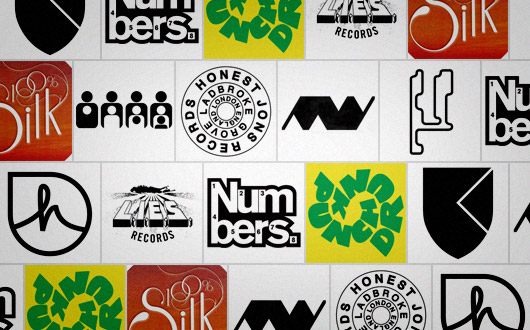
- Your visual identity: Decide on a label name, artwork style and general aesthetic. Consistency creates recognition.
2. Set up your structure and rights
Even if you are releasing only your own music, the label needs a proper foundation.
- Choose a business structure suitable for your situation.
- Make sure you own or have permission to use all recordings and compositions.
- Agree simple written terms with collaborators and remixers.
- Register music correctly so royalties can be collected.
Doing this early avoids confusion later, especially if tracks receive airplay, stream widely or are considered for sync use.
3. Understanding digital distribution
Distribution is how your music reaches streaming platforms and download stores. A distributor delivers your releases to DSPs (Digital Service Providers), ensures the metadata is correct, and then collects revenue via royalties.
There are two general approaches:
- Automated distribution platforms: These offer basic upload access but limited guidance.
- Full-service distribution partners: Companies such as MN2S handle delivery to DSPs and also provide support on release planning, rights registration and licensing opportunities.
For artists releasing their own music, full service distribution can reduce administrative workload and ensure releases are presented professionally.
4. Budgeting for releases
Although you are not producing physical copies, there are still costs to consider. Typical expenses include:
- Recording
- Mastering
- Artwork
- Promotion or PR
- Social media marketing
Timing is also crucial. Plan your release schedule realistically. Allow time for final mixes, mastering, artwork approval and promotional lead-in before a release date.
5. Build a release schedule you can maintain
A professional label works to a planned release timeline. Even if your label releases only your own music, you should:
- Plan several upcoming releases in advance
- Set internal deadlines for each stage of production
- Spread releases so each track has room to build momentum
- Submit music to a distributor weeks in advance so your they have time to pitch
Consistency helps streaming algorithms recognise your activity and helps audiences follow and engage with new music.
6. Promotion and visibility
Putting music on streaming platforms is not the same as listeners discovering it. To build awareness:
- Maintain professional and active social media channels
- Communicate the story behind each release
- Share clips, visual content and context, not only links
- Consider PR support when you have an important release
- Build relationships with DJs, artists, curators and communities
- Share press release/support for each release with your distributor so they are able to pitch it to the relevant DSPS
7. Consider label services for support
Handling both the creative and operational sides of a label can become demanding. A label services partner can assist with the administrative and strategic elements. MN2S provides:
- Global digital distribution
- Rights management and PPL registration support
- Release strategy guidance
- Licensing and sync negotiation
- Real time analytics and performance data
- One to one communication and responsive support
This allows artists to stay independent while benefiting from experienced assistance and industry knowledge.
Starting a label to release your own music allows you to maintain control and build your catalogue in a structured way. With a clear identity, professional groundwork, consistent scheduling and the right distribution support, your label can grow alongside your artistic development. Success comes from planning with intention and treating each release as part of a long term progression.