



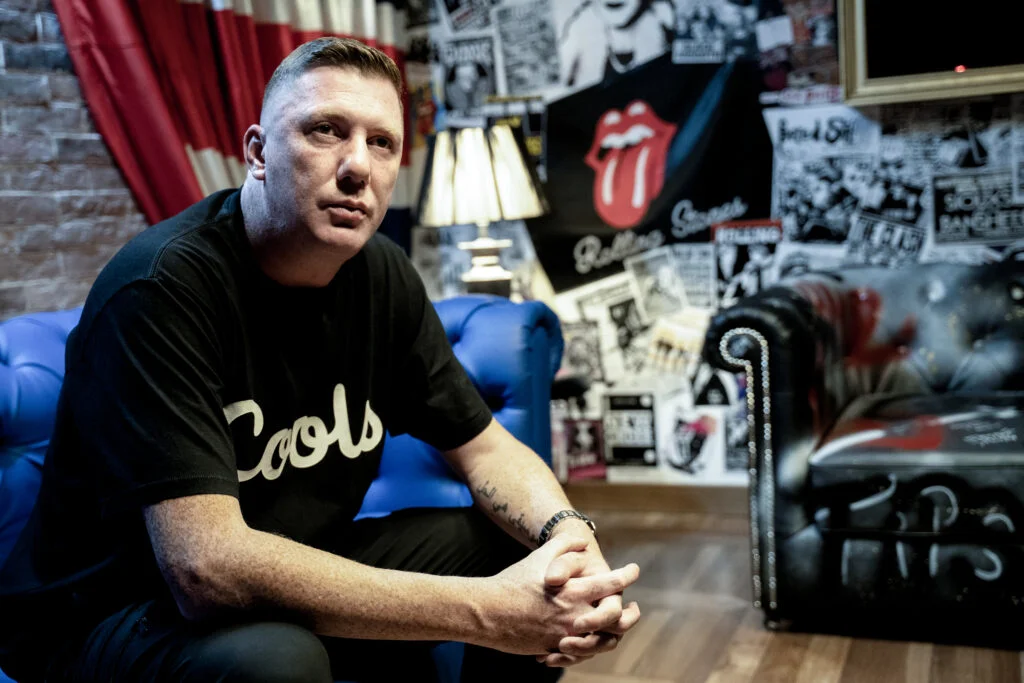
From the UK rave explosion of the early 1990s to international club residencies and a 25-year label legacy, CN Williams has built a career rooted in longevity, musical integrity and razor-sharp dancefloor instincts.
Raised in a household where sound systems, reggae, disco and funk were part of everyday life, his relationship with music began long before DJing became a profession. By the time the UK house and rave scenes were taking shape, Williams was already immersed: playing records, running a record shop, distributing vinyl and carving out his place behind the decks.
A near 15-year residency at Escape proved pivotal, shaping his approach to DJing, curation and production, and earning him three consecutive UK Dance Music Awards for Best Resident DJ. Since then, his journey has taken him from London and Ibiza to Miami, Dubai and beyond, sharing line-ups with some of the most respected names in dance music.
Alongside his work as a DJ and producer, Williams founded ReelHouse Records in 2001, building a catalogue driven by quality, consistency and community rather than trends. In this interview, he reflects on the foundations of his career, the lessons learned along the way, and what continues to drive him forward as the label marks its 25th anniversary.
You came up through the UK rave and house scene in the 1990s. What first pulled you into DJing, and what kept you there?
Music and parties were part of my life from a very young age. In the 1970s, my father regularly hosted illegal blues parties at our home in London, building homemade sound systems and playing reggae, disco and funk. Watching how music could completely change a room and bring people together had a huge impact on me. By the mid 1980s, I was already obsessed. The first record I remember buying was Street Sounds Electro 7, and I became fascinated by how DJs could blend records seamlessly without gaps. I did not even know what a DJ was at that age, but I knew I wanted to understand how it worked. My dad eventually wired two old turntables into an amplifier so I could mix records back to back and record them onto cassette, and that really set everything in motion.
Growing up between London and Wales gave me access to very different scenes. I started DJing wherever I could, from small local venues to parties and clubs, while the UK rave scene was beginning to explode. That period was intense and exciting, with illegal warehouse parties, beach and field raves, and club nights all feeding into my development as a DJ. In the early 1990s, I opened my own record shop, ClubScene, focused on underground dance music, which later expanded to Swansea. Running the shop meant constant travel, crate digging and being fully immersed in the culture, as well as picking up opening sets wherever possible. By the mid 1990s, that momentum led to regular bookings at major London clubs including Ministry of Sound, The Gallery, The End, Turnmills, Bagleys, Club UK and Camden Palace.
Around the same time, I launched Stone City, a vinyl dance distribution company specialising in US imports and early UK garage, with a simple in house studio. Being involved in distribution placed me at the centre of the scene behind the scenes as well as behind the decks, and naturally led to more connections and bookings. What has kept me DJing ever since is the same thing that pulled me in at the start. The energy of a dancefloor, the constant discovery of new music, and the feeling when the right record lands at exactly the right moment.
Your 15-year residency at Escape was a defining chapter. How did that residency shape you as a DJ and tastemaker?
Escape was everything for me in terms of learning my craft properly. A long-term residency forces you to develop depth, patience and consistency. You are not just playing peak-time records every week. You are responsible for the entire musical journey, week in, week out, for the same crowd and for new people discovering the club for the first time. It taught me how to read a room on a deeper level. You learn what works over time, not just what works in the moment. You also learn when to take risks and when to hold back. That balance between education and entertainment became central to how I DJ, and it is something I still apply today.
Escape was also a huge testing ground. I could road test new records, demos and early productions in a real club environment and get honest feedback from the dancefloor. That experience fed directly into my work as a producer and later into running ReelHouse Records. If a record worked at Escape, it usually worked anywhere. Most importantly, the residency gave me an identity. It allowed me to develop a sound, build trust with a crowd and understand the responsibility that comes with being a resident DJ. That foundation shaped not just how I play, but how I approach music, curation and dancefloor culture as a whole.
You were named Best Resident DJ at the UK Dance Music Awards three years running. What did that recognition mean at that stage of your career?
At that point in my career, it meant a lot, but probably not for the reasons people might expect. I was deep into my residency at Escape, putting in the hours week after week, and my focus was always on the dancefloor rather than external recognition. So for that work to be acknowledged on a national level was genuinely affirming. What made it especially meaningful was that it recognised consistency rather than moments. Being a resident DJ is about trust, longevity and delivering every single time, not just turning up for big headline slots. To receive that recognition three years in a row felt like validation of the graft, patience and long-term approach I had taken.
More than anything, it felt like recognition for the whole Escape community rather than just me. Wales already had a strong and passionate house music scene, but Escape Room 2 became a place where a very specific sound and identity really took shape. The trust between the DJ booth and the dancefloor allowed us to experiment, refine and push things forward week after week. The clubbers played just as much of a role in that as I did, and it always felt like we were building something together rather than following a blueprint. Of course, the awards did help raise my profile and open up new opportunities, but I never saw them as a destination. They were simply encouragement to keep doing what we were doing, staying grounded and continuing to build something meaningful through the music.
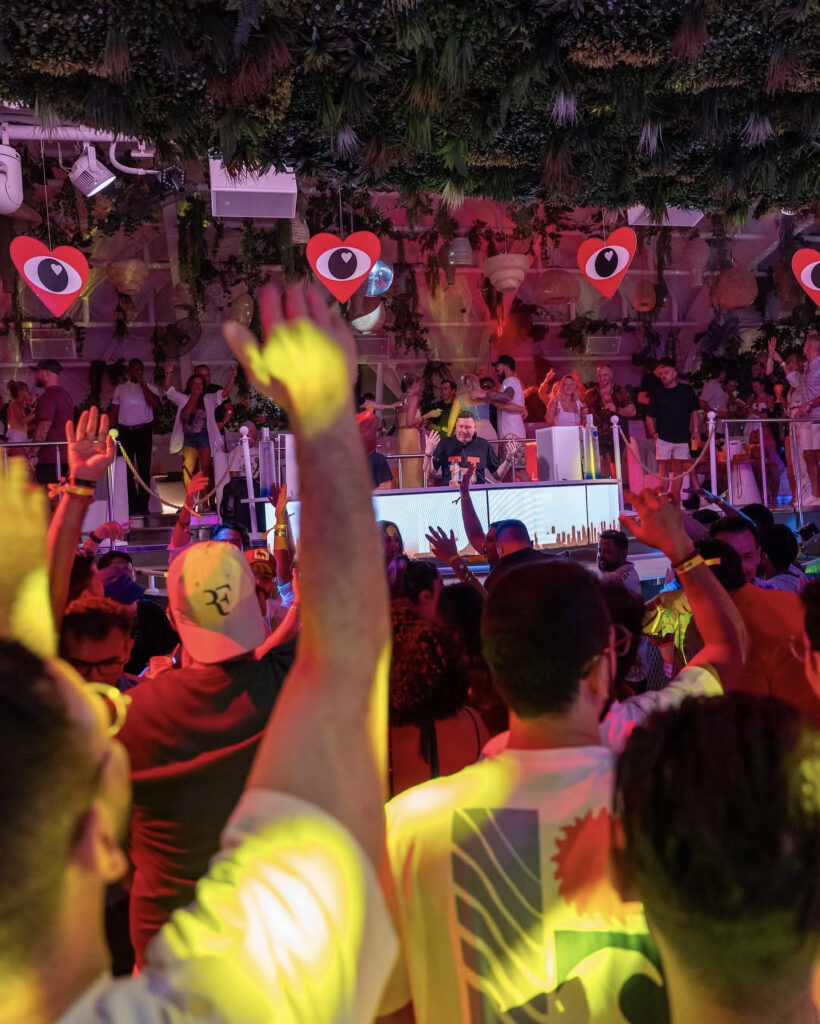
You’ve played everywhere from Ibiza and London to Miami, Dubai and beyond. How do you adapt your sets for different cities and crowds?
For me, it always starts with respect for the room and the crowd. Every city has its own energy, its own rhythm and its own relationship with dance music, so I never arrive with a fixed playlist. Even when I’m booked as a guest DJ, I draw heavily on my experience as a resident, reading the room and responding in real time rather than forcing a preconceived idea onto the night. Ibiza is about journey and release. London crowds tend to be more musically switched on and expect a certain edge or depth, while places like Miami bring a strong sense of groove and attitude. Dubai is unique in that you’re often playing to a truly international crowd, so it’s about balancing musical credibility with inclusivity and flow.
That said, I don’t try to reinvent myself for every city. The foundation of what I play stays the same. Groove, soul and feeling always come first. The adaptation happens in pacing, energy and how far I push things in one direction or another. Years of long sets and residencies taught me that listening is just as important as playing. Once you understand how a crowd responds, the set almost writes itself.
You’ve shared line-ups with some huge names in dance music. What have you learned from playing alongside those artists?
One of the biggest lessons I’ve learned is that the artists with real longevity tend to be the most measured and grounded. They understand their role in the night and never feel the need to force a moment. For me, Louie Vega is the perfect example of that approach. Watching how he builds a set with patience, musicality and total respect for the room is a masterclass in DJing.
Playing alongside artists like Louie reinforces the importance of timing and restraint. Some of the most powerful moments on a dancefloor come not from obvious records, but from control, flow and knowing when to let the music breathe.I’ve also learned a lot about professionalism from sharing line-ups with artists such as Todd Terry, Roger Sanchez and Dave Lee. Turning up prepared, respecting the warm-up, understanding the arc of the night and supporting the DJs around you all make a difference. The DJs who last are the ones who see the bigger picture and serve the room rather than their ego.
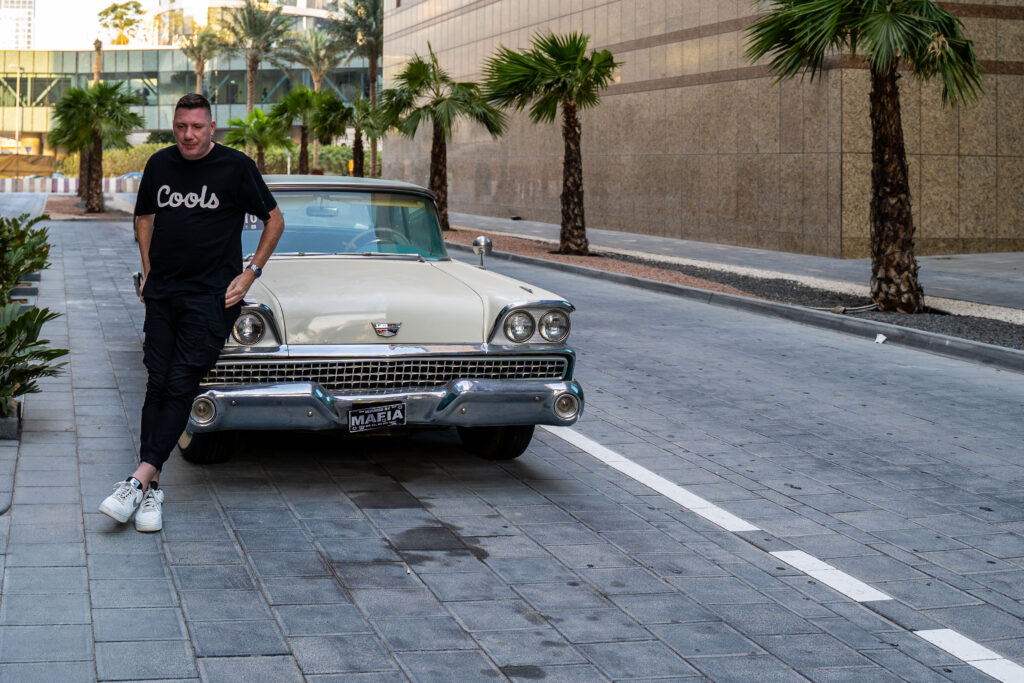
Alongside DJing, you’ve built a strong reputation as a music curator for global brands. What’s your starting point when curating sound for a space or event?
My starting point is always understanding the environment and the intention behind it. Before thinking about tempo or genre, I want to know how the space should feel and what role the music plays at different moments. I approach curation much like a long residency. It’s about pacing, flow and consistency rather than chasing moments. The music should enhance the atmosphere without overpowering it, creating something that feels natural rather than imposed. With brand-led events especially, it’s about balancing musical credibility with accessibility. Good curation should feel effortless, even though there’s a lot of thought behind it. When it works, people feel better in the space without necessarily noticing why.
You host a weekly radio show, House of Disco. What role does radio still play for you in discovering and sharing music?
Radio has always been important to me. House of Disco is an extension of how I DJ and curate, but without the constraints of a dancefloor. It allows me to dig deeper and connect classic disco and soul with modern house. One of the things I valued most was creating a window for this style of house music in the UAE. Disco-rooted, soulful house can sometimes be overlooked in the region, so having a platform to showcase it felt important.
The show is currently taking a short break due to Pure Ibiza Radio no longer broadcasting in Dubai, but it’s a logistical pause rather than a creative one. I’m in discussions with new stations and looking forward to bringing the show back. Radio still plays a vital role for me in championing music and sharing deeper roots in an accessible way.
As a producer, your tracks have topped charts and gained major radio support. How does your approach in the studio differ from your approach behind the decks?
DJing is immediate and outward-facing. You read the room and react instinctively. That DJ mindset has shaped how I approach production. I’m largely self-taught as a producer, learning through listening, experimenting and applying what I know works on a dancefloor. I don’t overthink things technically. I focus on feel, groove and longevity. I’ve always believed in test-driving tracks in real environments. Sometimes the feedback is obvious, other times it’s subtle. A few head nods, even in a relaxed daytime or beach club setting, can tell you everything you need to know. The dancefloor never lies.
ReelHouse Records has now been running for over 25 years. What motivated you to start the label, and what’s kept it going for so long?
ReelHouse started naturally off the back of my residency at Escape and my work in distribution. I wanted to release music I genuinely believed in and would play myself. The label has never been about being a household name. What I’m most proud of is the loyal community around it, the artists who trusted the label and the fans who supported it consistently.
A couple of years ago I suggested refreshing the ReelHouse logo. The community strongly opposed it, which made me smile. So the logo stayed, and it looks like it will for another 25 years. That long-term, quality-first mindset is what’s kept ReelHouse moving forward without losing its identity.

Looking ahead, what excites you most about the next chapter of your career across DJing, production and the label?
What excites me most is that I still feel curious. I’m enjoying longer sets, deeper journeys and environments where music can breathe. On the label side, the 25-year milestone feels like both a celebration and a reset. There’s a focus on revisiting parts of the catalogue and working closely with artists who understand the ReelHouse DNA. If I’m still learning, still enjoying it and still connecting with people through music, then the next chapter feels just as exciting as the last.