



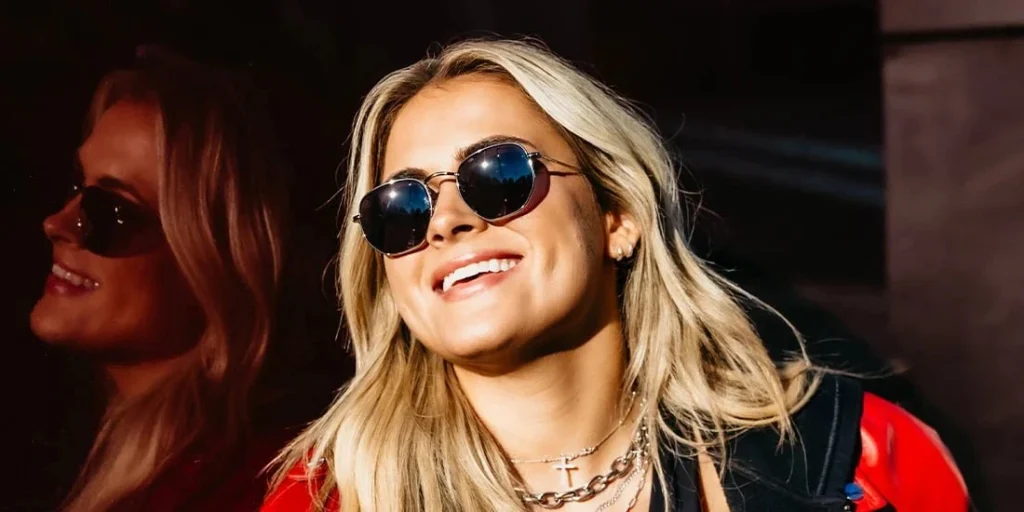
The Endorsement Deal Is Dead. Long Live the Co-Owner.
Something fundamental has changed in how the most commercially sophisticated celebrities work with brands. And most marketing briefs have not caught up.
Where once a household name would sign a contract, appear in a few ads, and walk away with a fee, today’s biggest talent is taking equity stakes, joining boards, co-founding products, and signing on as creative directors. The Grocer ran a major feature on this shift in May 2026, noting that celebrities are no longer looking for a quick payout for a TV ad. They want skin in the game. And the brands that understand how to structure those deals are building something no media spend can replicate: a talent who is genuinely invested in the outcome.
This is not a niche trend. It is reshaping how the most valuable brand partnerships in the world get done. And it has serious implications for any marketer who is still briefing talent the old way.
The Numbers That Changed Everything
The blueprint was written in spirits. In 2017, Diageo acquired Casamigos Tequila, co-founded by George Clooney, for up to $1 billion. Clooney had not just put his face on a bottle. He had built the product, shaped its identity, and made it genuinely his. The result was a brand that felt authentic because it was authentic. Diageo paid accordingly.
Three years later, the same logic played out again. Diageo acquired Aviation American Gin, co-owned and creatively led by Ryan Reynolds, for up to $610 million. Reynolds had not just endorsed the brand. He had led all of its marketing, written the tone of voice, and turned a mid-size gin label into a cultural phenomenon through his own creative instincts. Aviation contributed 40% of total US super-premium gin category growth in 2019. The product had not changed. The talent’s involvement had.
These are not lucky outliers. They are proof of concept. And the market has been catching up ever since.
From Faces to Founders
In April 2022, Beyoncé participated in a $31 million Series A round for Lemon Perfect, a cold-pressed lemon water brand, helping push its total valuation above $100 million less than three years after it sold its first bottle. Beyoncé did not just lend her name. She invested her capital and her conviction. The round closed with greater than 100% revenue growth projected for 2022. The celebrity was the signal to the market.
In January 2026, Kevin Hart entered a strategic partnership with Authentic Brands Group to co-own and manage the Kevin Hart brand, joining a roster that already includes David Beckham and Shaquille O’Neal. Hart becomes a shareholder in a company generating $32 billion in annual retail sales globally. In return, Authentic gets Hart’s creative instincts, his 292 million social media followers, and his proven record of turning personal credibility into commercial product.
As The Grocer noted in its 2026 analysis of celebrity brand deals, even the traditional endorsement model is evolving. George Clooney has been the face of Nespresso for over 20 years, but it is his co-founder role in Casamigos that defines the new direction of travel. Talent wants legacy, not just fees. And brands that offer ownership get a fundamentally different level of commitment in return.
What This Means for Your Brief
The implications for brand marketers are significant and immediate.
First, the brief itself has to change. A talent who is being considered as a co-owner, strategic partner, or creative director cannot be briefed the same way as a talent being booked for a campaign. The conversation is different. The negotiation is different. The legal structure is different. The relationship requires an agency that understands both sides of the equation, not just the talent.
Second, the upside is considerably larger. A talent with genuine ownership thinks and acts differently. They bring ideas, they protect the brand, and they activate their audience with a conviction that no contract clause can produce. The shift from endorsement to creative partnership is now consistent enough across major brands to call it a direction, not an exception.
Third, the risk is real. Equity deals, creative director arrangements, and co-founder structures are high-stakes, legally complex, and reputationally loaded. Getting them right requires experience on both sides of the table.
Deals we have worked on
The Gordon Ramsay and Borealis Foods partnership is the clearest example on the MN2S roster of this model in action. MN2S partnered Michelin-starred chef Gordon Ramsay with Borealis Foods, the food tech company behind Chef Woo, the world’s first plant-based ramen. Ramsay joined not as a spokesperson but as a shareholder, advisor, and strategic partner, shaping the product direction and lending his culinary credibility to a brand tackling global food insecurity. The partnership helped take Chef Woo into over 1,300 Walmart stores across the US. Notably, MN2S CEO Sharron Elkabas confirmed that the agency itself became a shareholder in the project, demonstrating the level of conviction behind the deal.
That is not a booking. That is a business-building partnership. And it required the full range of creative, commercial, and legal expertise to structure correctly.
A more recent example sits squarely in the co-creator model. Country-pop artist Alana Springsteen partnered with Blenders Eyewear, one of America’s fastest-growing sunglasses brands, to co-curate her own signature collection. The “Jade” line was designed to reflect her personal aesthetic, built around her coastal Virginia Beach roots and her blend of bold and laid-back style. Springsteen was not placed in front of a product that already existed. She shaped what the product became. Blenders founder Chase Fisher was direct about why: “This isn’t just a partnership, it’s a celebration of what happens when you stay true to your vision.” That is exactly the brief that delivers something a standard endorsement deal never can.
The Window for Getting This Right
The brands that built equity-level relationships with talent five years ago are now sitting on something their competitors cannot buy. The brands that are having those conversations today are still early. The brands that continue to brief for one-off endorsements are falling further behind every quarter.
The Grocer’s 2026 analysis puts it plainly: today’s stars are seeking more than a quick payout for a TV ad. They want skin in the game. The brands that meet them there will build something durable. The ones that do not will keep paying for attention they do not own.
The co-owner era is not coming. It is already here. The brief has changed. The question is whether your agency can handle it.
Start the Conversation
Whether you are exploring a straightforward campaign partnership or a deeper creative and commercial relationship with talent, working with an agency that has experience on both sides of the deal makes the difference between a good campaign and a brand-defining collaboration.
Check out the MN2S talent roster to book more artists and celebrities.
Related articles
 From Endorsement to Equity: How Founder-Backed Talent Are Redefining Brand Partnerships30 Jun 2026
 Why Smart Brands Are Treating Creators Like Athletes (And What That Unlocks)13 May 2026
 15 examples of successful celebrity co-branding partnerships4 Jun 2024
 How to Bring the World Cup Buzz to your Brand Even if You Don’t Sell Football Boots. Here’s Why the World Cup Is Still Your Moment.11 Jun 2026
 From the Parade Ring to the Feed: The New Rules of Royal Ascot Brand Activation4 Jun 2026
 Planning Your Marketing in 2025 with MN2S9 Jan 2025