








News  17th February 2026
17th February 2026 

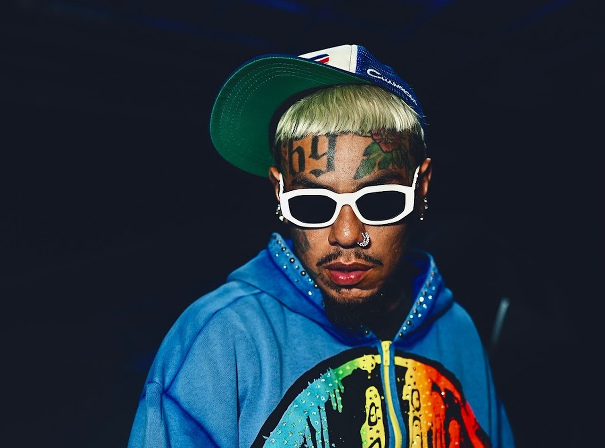
6ix9ine, known for his explosive presence in the hip-hop scene, has redefined the boundaries of modern rap with his audacious style and controversial persona. Bursting onto the music landscape in 2017 with the viral hit “Gummo,” he quickly captivated audiences with his aggressive delivery and vibrant aesthetic, characterized by rainbow-colored hair and extensive tattoos. His debut mixtape, “Day69,” solidified his status, featuring chart-topping singles like “Kooda” and “Fefe,” the latter peaking at number three on the Billboard Hot 100. Despite facing significant backlash, his debut album, “Dummy Boy,” achieved platinum status, showcasing his ability to transcend criticism and maintain commercial success.
6ix9ine’s career has been marked by a tumultuous relationship with the law, including a high-profile racketeering case that led him to testify against his former gang associates. This decision, while controversial, highlighted his complex navigation of street credibility and mainstream acceptance. Following his release from prison, he continued to dominate the charts with singles like “Gooba” and “Trollz,” the latter debuting at number one, proving his resilience in an industry that often ostracizes those who cooperate with authorities.
His innovative approach to music blends elements of hardcore punk, trap, and reggaeton, pushing the envelope of genre conventions. Collaborations with industry heavyweights like Nicki Minaj have further cemented his influence, while his social media antics keep him at the forefront of public discourse. 6ix9ine’s ability to leverage controversy into commercial success is unparalleled, making him a case study in modern celebrity culture.
As he continues to evolve, 6ix9ine remains a polarizing figure, embodying the complexities of fame, artistry, and personal redemption. His journey reflects not only the challenges of the music industry but also the power of reinvention, positioning him as a visionary artist who has indelibly impacted the landscape of hip-hop.

Looking for a different kind of talent? Browse our other talent rosters below to find the right talent to fit.