











Actor/Actress  3rd December 2025
3rd December 2025 

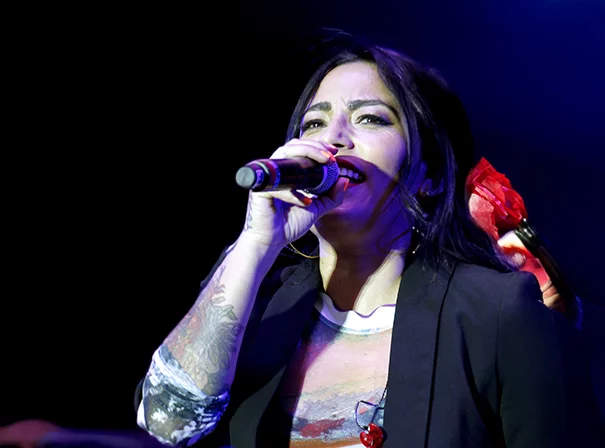
Ana Tijoux, a prominent French-Chilean musician, began her illustrious career as the MC of the influential hip-hop group Makiza in the late 1990s. With the release of their debut album, *Vida Salvaje*, in 1997, Tijoux and her bandmates quickly gained recognition for their innovative sound and socially conscious lyrics. The group’s follow-up album, *Aerolineas Makiza*, solidified their status in the Latin American hip-hop scene, showcasing Tijoux’s lyrical prowess and unique style that diverged from the typical themes of violence prevalent in the genre.
Transitioning to a solo career in 2006, Tijoux released her first single, “Ya no fue,” which marked a significant turning point in her artistic journey. Her sophomore album, *1977*, released in 2010, was a critical and commercial success, featuring the hit title track that resonated with audiences across Latin America. This album not only highlighted her roots in rap but also showcased her ability to blend various musical styles, earning her accolades and a dedicated fanbase.
In subsequent years, Tijoux continued to push boundaries with albums like *La bala* (2011) and *Vengo* (2014), both of which received widespread acclaim. Her work has been recognized with numerous awards, including the Best Artist of the Year at the 2015 Pulsar Awards, underscoring her impact on the music industry.
Beyond her musical achievements, Tijoux is celebrated for her political activism and commitment to social justice, often infusing her music with themes of empowerment and resistance. Her contributions have not only enriched the Latin music landscape but have also inspired a new generation of artists, making her a true icon in the world of hip-hop and beyond.
Interested in booking Ana Tijoux?
Request A Show
Looking for a different kind of talent? Browse our other talent rosters below to find the right talent to fit.