









News  17th February 2026
17th February 2026 

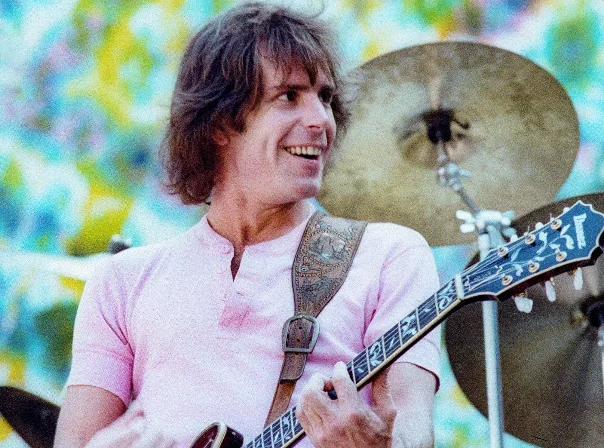
Bobby Weir knew the stage like a second home. Born Robert Hall Weir on October 16, 1947, in San Francisco, he grew up under the cloudy skies of Atherton, adopted by the Weir family. Labeled as a musical prodigy by his peers, he picked up the guitar at 13, seemingly in rebellion against a string of discipline failures at various schools. Weir’s journey crystallized one fateful New Year’s Eve in 1963, wandering the alleys of Palo Alto, where an impromptu meeting with Jerry Garcia marked the genesis of a band that would ripple through rock history—the Grateful Dead. He would later admit, “We saw what The Beatles were doing and couldn’t think of anything else more worth doing.”
Over three decades with the Dead, Weir’s rhythm guitar defined the band’s sound, carrying the weight of heartfelt lyrics through a labyrinth of genres. How he simultaneously faced criticism for his playing and evolved it with unprecedented creativity remains a fine point of speculation — some say it was sheer stubbornness, while others chalk it to the band’s shifting dynamics. Yet, his ability to blend a symphony of influences—from Coltrane to McCoy Tyner—created a unique auditory landscape. Was he ever really in doubt about his talent? Perhaps, yet he never showed it.
Weir’s personal life swayed like the melodies he strummed. He lived, loved, and shared the spotlight with various partners, including Frankie Hart, a go-go dancer whose mere presence inspired timeless songs. A life spent in the light, he later married Natascha Münter, with whom he had two daughters. In his later years, a cancer diagnosis loomed large, yet he remained resolute in his performances. How do musicians confront mortality? They do it by playing on, as he did, pouring his essence into the music even in the face of decline.
After he passed away on January 10, 2026, thousands gathered to celebrate his life in a heartfelt tribute, reminiscent of a Grateful Dead show filled with love and remembrance. Bobby Weir’s life was a tapestry of sound, filled with the unseen tensions of art, influence, and mortal dominion, leaving behind a legacy that reverberates in the hearts of fans and musicians alike. His music speaks where words fall short.

Looking for a different kind of talent? Browse our other talent rosters below to find the right talent to fit.