





News  17th February 2026
17th February 2026 

 50k-100k
  0-50k
0-50k  500k-1m
  United Kingdom
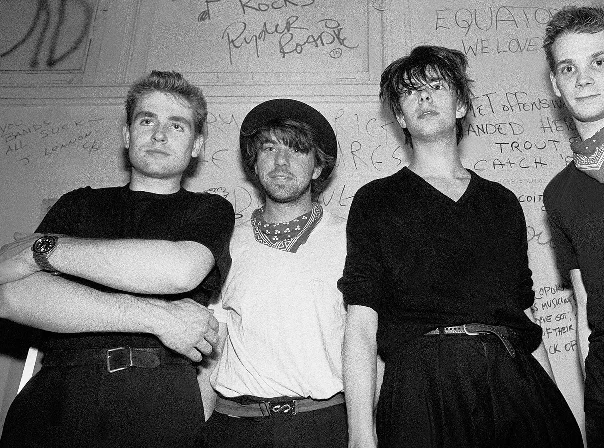
 Echo & the Bunnymen, formed in Liverpool in 1978, emerged as a pioneering force in the post-punk music scene. The original lineup, featuring vocalist Ian McCulloch, guitarist Will Sergeant, and bassist Les Pattinson, quickly gained attention with their debut album, “Crocodiles,” which reached the UK Albums Chart’s top 20. Their innovative sound and atmospheric style were further solidified with their second album, “Heaven Up Here,” which showcased their ability to blend critical acclaim with commercial success, reaching the UK Top Ten.
The band’s breakthrough came in 1983 with the release of “Porcupine,” which included the hit single “The Cutter,” marking their first entry into the UK Top 10. This album not only solidified their status as a chart act but also demonstrated their evolution as musicians, incorporating more complex arrangements and lyrical depth. Their subsequent album, “Ocean Rain,” released in 1984, is often regarded as their landmark work, featuring the iconic single “The Killing Moon,” which further established their legacy in rock music.
After a brief hiatus and lineup changes, including the tragic loss of drummer Pete de Freitas in 1989, the band regrouped in the late 1990s. They successfully revived their career with the album “Evergreen,” which reached the UK Top 10, showcasing their enduring appeal and ability to adapt to changing musical landscapes. The band continued to tour and release new material, including albums like “Siberia” and “Meteorites,” demonstrating their commitment to evolving their sound while maintaining their distinctive identity.
Echo & the Bunnymen’s influence extends beyond their discography; they have inspired countless artists and contributed significantly to the Mersey music scene. Their innovative approach to music and performance continues to resonate with fans, ensuring their place as one of the most respected bands in the rock genre.
Interested in booking Echo & The Bunnymen?
Request A Show
Looking for a different kind of talent? Browse our other talent rosters below to find the right talent to fit.