








News  17th February 2026
17th February 2026 

 0-50k
0-50k  0-50k
0-50k  United States
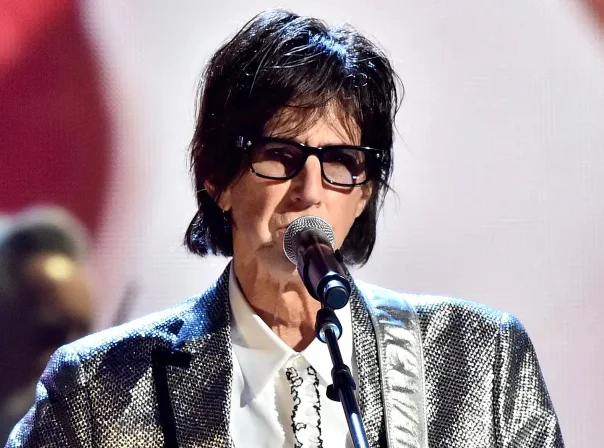
 Ric Ocasek was more than just a voice in the iconic band the Cars; he became a figure woven into the fabric of American rock and roll. Born Richard Theodore Otcasek on a March day in 1944, in Baltimore, he navigated a shifting landscape of familial ties and artistic ambition, ultimately finding his feet in Cleveland. Here, under the watch of a father who consulted for NASA, Ocasek’s early life was anchored in a blend of Catholicism and Czech heritage—a background he would approach with a mix of pride and ambivalence.
In the kaleidoscopic embrace of the 1960s, he embarked on his musical journey, intertwined with Benjamin Orr and various bands that seemed to presage the success of the Cars. Their evolution was anything but linear; from awkward early experiments like Milkwood to the triumphant, synth-driven melodies that would define the late 70s and early 80s, each step revealed both Ocasek’s tenacity and an unquenchable thirst for innovation. By the time the Cars cemented their legacy, Ocasek was not just the frontman but the primary architect behind their most memorable hits, even if those years also contained the whispers of an empty stage and unfulfilled dreams of solo success.
Yet, by the time he reunited with the Cars in 2011, Ric was grappling with more than just music. He had built a life marked by personal triumphs and tumultuous separations. His marriage to supermodel Paulina Porizkova, a love story painted with both vibrancy and discord, ended just before his death in 2019, leaving behind sons from three marriages and the residue of a complicated legacy.
It seems that Ocasek’s existence flickered between the spotlight and shadow. Found dead in his townhouse in New York City, his passing revealed not just the fragility of his physical health, but the layers of familial estrangement and legal disputes that would follow. Perhaps in the end, his life resonates most powerfully in the chords of his music—complex, layered, and unapologetically human.

Looking for a different kind of talent? Browse our other talent rosters below to find the right talent to fit.