






Celebrity Advocacy  14th December 2025
14th December 2025 

 United States United States
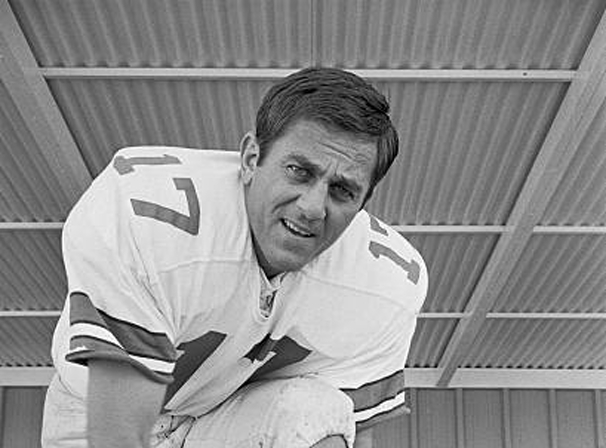
 Joseph Donald Meredith, known affectionately as “Dandy Don,” carved out a remarkable career as an American football player, commentator, and actor. He began his professional journey as a quarterback for the Dallas Cowboys, where he played for nine seasons. Selected by the Chicago Bears in the 1960 NFL Draft, Meredith’s rights were traded to the Cowboys, making him their second starting quarterback. Under the guidance of legendary coach Tom Landry, he led the team to three consecutive postseason appearances from 1966 to 1968, including two NFL Championship Game appearances. His impressive performance earned him a second-team All-Pro selection in 1966 and three Pro Bowl nods from 1966 to 1968.
After retiring from football in 1969, Meredith transitioned into broadcasting, becoming a beloved color analyst for NFL telecasts. He was an original member of the Monday Night Football team, where his light-hearted commentary and engaging personality contrasted with his colleagues. His memorable catchphrase, “Turn out the lights, the party’s over,” became a fan favorite. Meredith’s broadcasting career spanned from 1970 to 1984, during which he garnered recognition, including the Pro Football Hall of Fame’s Pete Rozelle Radio-Television Award in 2007.
In addition to his sports career, Meredith ventured into acting, appearing in numerous films and television shows. He starred as Detective Bert Jameson in the series Police Story and featured in commercials for Lipton Tea. His acting prowess extended to voice work, including an appearance in the animated series King of the Hill. Meredith’s charisma and talent made him a familiar face in both sports and entertainment.
Meredith’s legacy is celebrated not only for his contributions on the field but also for his impact on sports broadcasting and acting. He was inducted into the Dallas Cowboys Ring of Honor in 1976 and the College Football Hall of Fame in 1982. His journey from a promising college athlete to a beloved sports figure and entertainer showcases his versatility and enduring influence in American sports culture.

Looking for a different kind of talent? Browse our other talent rosters below to find the right talent to fit.