

Bimini Headlines Fulham Pier for Hammersmith & Fulham’s Youth Arts Festival
17 hours ago


 United States
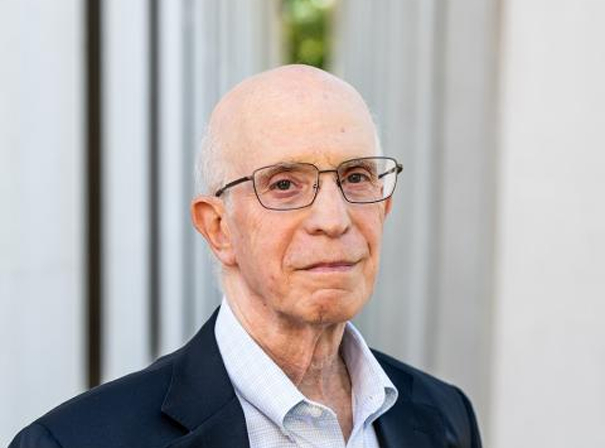
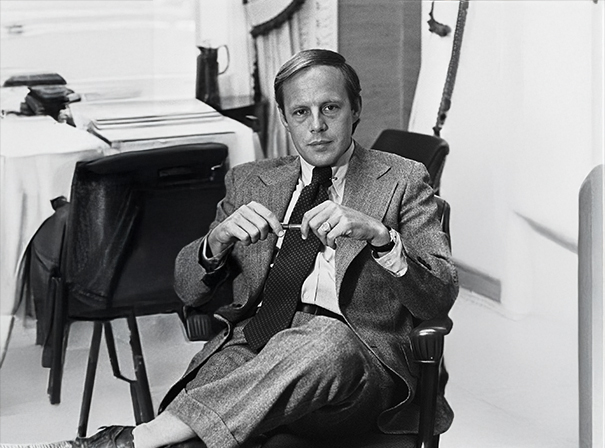
John Dean, former White House Counsel to President Richard Nixon, is recognized for his pivotal role as a key witness in the Watergate scandal and his subsequent career as an author, lecturer, and commentator on American politics and ethics.
An ethics course given in Chicago promises to offer something a little different: the lessons of Watergate, taught by Mr. Dean himself.
John Dean's hearing before the Select Committee on Presidential Campaign Activities supplied the Watergate scandal its most iconic images.
From August 13 - 15, the Ohio State Bar Association will welcome former Nixon White House Counsel John W. Dean and Cleveland attorney James “Jim ...
Immediately afterwards, McCord led investigators into the White House, John Dean gave in too and, from April 1973 onwards, began to cooperate with the ...
A fascinating conversation between two legends watergate legend john dean and cnn legend jim acosta.
Since then, many in the profession—including former White House counsel and whistleblower John Dean—have debated whether the strict ethics codes ...
John Wesley Dean III, born on October 14, 1938, in Akron, Ohio, became a prominent figure in American political history. He pursued his education at Colgate University and the College of Wooster, where he earned a bachelor’s degree in 1961, followed by a law degree from Georgetown University in 1965. Dean began his legal career in Washington, D.C., and served as chief minority counsel to the House Judiciary Committee from 1966 to 1967. His career progressed to roles such as associate director of the National Commission on Reform of Federal Criminal Laws, before he joined the Nixon administration as an associate deputy attorney general.
In 1970, Dean was appointed White House Counsel to President Richard M. Nixon. He initially gained national attention in 1972 when Nixon tasked him with investigating potential White House involvement in the Watergate case. After realizing the extent of the cover-up, Dean chose to cooperate with federal investigators. His detailed testimony before the Senate Select Committee on Presidential Campaign Activities in 1973 provided critical insights into the obstruction of justice by high-ranking White House officials, including the president. This testimony significantly contributed to the unraveling of the Watergate scandal, leading to Nixon’s resignation and the conviction of several aides, including Dean himself, who served four months in prison for obstruction of justice. Following his release, Dean was disbarred from practicing law in both Virginia and the District of Columbia.
Post-Watergate, Dean transitioned into a career as an investment banker, author, and frequent television commentator. He documented his experiences in several books, including “Blind Ambition” (1976) and “Lost Honor” (1982). In the 2000s, he became a vocal critic of the administrations of Presidents George W. Bush and Donald Trump, advocating for accountability and discussing issues of ethics and governmental power. His later works, such as “Worse than Watergate” (2005) and “Conservatives Without Conscience” (2006), reflect his continued engagement with political commentary and analysis.

Curious about our offerings or have inquiries? We're eager to assist!
Just complete the form, and we'll respond promptly.