






Brand Partnerships  26th November 2025
26th November 2025 

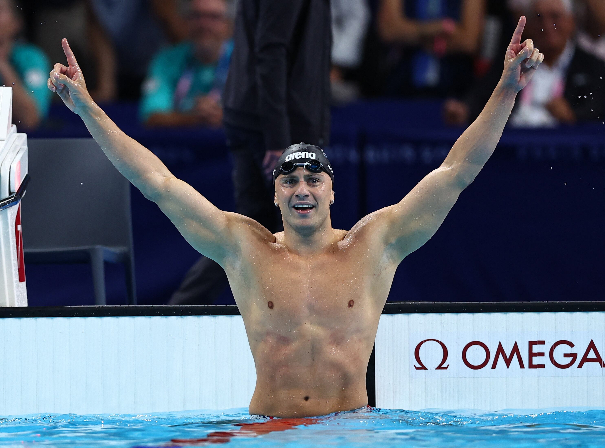
Nicolò Martinenghi stands out not just for his speed in the pool, but for the weight of expectations that came crashing down on him from an early age. Born in 1999, he grew up in the embrace of competitive swimming, where each stroke felt like the preparation for a race against time—and destiny. He made waves as a junior, setting a world record in the 50 metre breaststroke as a mere teenager and soon after accumulating an impressive array of medals like they were collectibles.
There’s something almost poetic about his trajectory: gold at the 2024 Summer Olympics in the 100 metre breaststroke, that fateful race where he outswam giants like Adam Peaty. But among the accolades, there loom the shadows of disappointment too; a bronze medal at the 2020 Tokyo Olympics when victory felt within reach. Time and again, he hoisted his own expectations higher, a constant balance between the thrill of the chase and the weight of what it means to lose.
While his records in breaststroke events are monumental, it’s the mundane details that catch one’s attention—like the way he practices in the early mornings at the Circolo Canottieri Aniene, the sounds of splashing water mixing with the quiet whispers of dawn. There’s a sense that this relentless pursuit is more than just the end goal; it’s about carving out an identity through grueling hours, a daily ritual that shapes both the athlete and the man.
As Nicolò journeys forward, he remains a figure of intrigue. His story isn’t solely about triumph against all odds, but rather the complexities of ambition, the nuances of pressure, and the expectant silence after the race is run. It is probably this delicate dance between glory and fallibility that truly defines him—an athlete continually striving for excellence amidst the cacophony of expectations, both his own and the world’s.

Looking for a different kind of talent? Browse our other talent rosters below to find the right talent to fit.