







Activism  18th September 2025
18th September 2025 

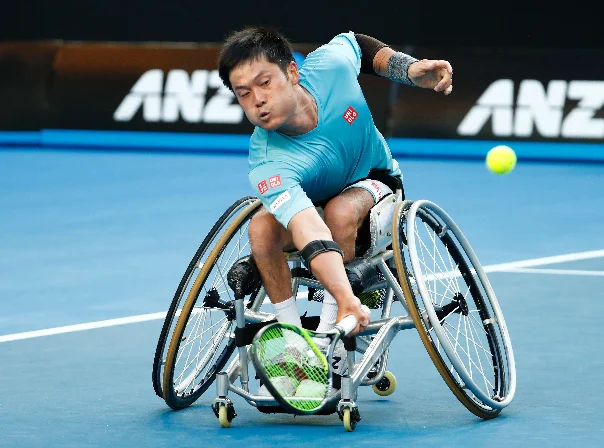
Shingo Kunieda, iconic in the realm of wheelchair tennis, emerged as a force of nature from Japan, yet his journey was far from typical. Diagnosed with a spinal cord tumor at nine, his ascent through adversity began with a simple spark of determination. Exhausting hours on the hard court, he perfected his serve, one that sent numerous competitors reeling, often pushing them to their limit. There’s something intriguingly mundane about the way he meticulously arranged his tennis rackets—each positioned just so—reflecting a mindset honed from years of achievement and struggle, which spanned from his collegiate life at Reitaku University to the tennis courts around the globe.
His record is staggering: four Paralympic gold medals and 28 major singles titles, making him arguably the greatest male wheelchair player in history. Yet, as impressive as these statistics are, they only skim the surface. Moments in his career remain enigmatic; for instance, that heartbreaking semifinal loss at the 2010 Masters despite holding three match points, a reminder of how swiftly fortune can shift in sports.
A relentless spirit marked Kunieda’s career, his incredible win streaks lasting over three years at one point—each match a mixture of strategic prowess and raw tenacity. Yet, behind those triumphs lay human fragility, voiced in a rare moment of self-reflection: “I’m tired, but I’ve done well. It’s quite unbelievable…” was how he processed the weight of his accomplishments, perhaps with a hint of disbelief slipping through.
Ultimately, Kunieda’s legacy rides not only on the hardware he amassed but on his desire to elevate wheelchair tennis, to mold it into a spectacle. As he retired in 2023, the echoes of his hard-fought victories still resonate, and the lingering question remains: what does it mean to redefine boundaries in a world that often tries to restrict them? This journey of Kunieda—filled with wins and losses alike—exemplifies the essence of resilience and the beauty of pursuing greatness against all odds.

Looking for a different kind of talent? Browse our other talent rosters below to find the right talent to fit.