



Your Music Video Shoot Is Doing Less Than It Could
Most independent artists still think of a video shoot as one deliverable. You book the day, film the concept, edit the final cut, and upload it to YouTube on release day. Then the shoot is done, and the rest of the campaign gets built separately out of whatever phone footage happens to exist.
That approach leaves most of the value of the shoot day on the table. A single well planned session can produce a main video, a run of vertical clips for TikTok, Instagram Reels and YouTube Shorts, teaser content for the weeks before release, and material built for newer formats like Spotify Clips. The difference is not spending more on the shoot. It is planning for multiple outputs before the cameras start rolling.
Why This Matters for Your Campaign Right Now
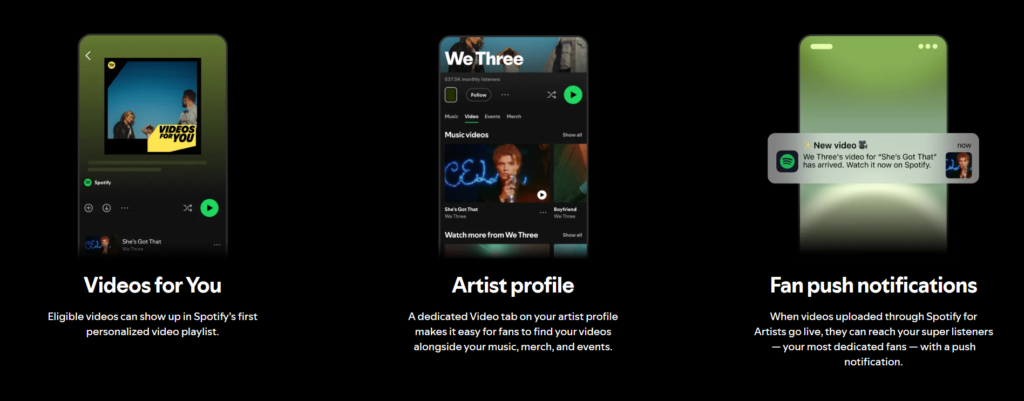
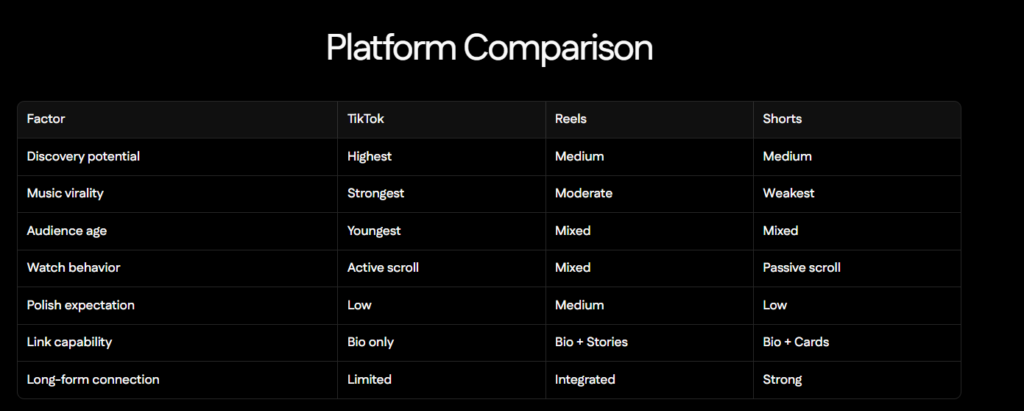
Release rollouts increasingly run across several platforms at once, and each one expects a different shape of content. Spotify has its own native video feature called Clips, vertical videos between three and thirty seconds that attach directly to your artist profile, a track, an album, or an upcoming release page, and they stay visible on your profile rather than disappearing after a day. TikTok, Instagram Reels and YouTube Shorts each want their own vertical cuts too, and a single wide format video simply does not translate well across all of them.
If every format requires a separate shoot, video becomes something you can only afford once or twice a year. If a single session is planned to generate all of them, video becomes something you can build into every release without blowing the budget.
Planning the Shoot for Multiple Outputs
A few practical decisions made before the camera is booked make the difference between one video and ten usable assets.
Shoot in a way that supports both orientations. If your main video is landscape, make sure key moments are also framed so they can be cropped to vertical without losing the shot. Close ups and performance moments tend to crop well. Wide establishing shots often do not.
Capture more than you think you need. Extra takes, alternate angles and in between moments that will not make the final edit are exactly what fuels teaser clips, behind the scenes content and Spotify Clips further down the line.
Plan a shot list around specific platform needs. A three second Spotify Clip does not need the same footage as a fifteen second TikTok teaser. Knowing what each platform wants before the shoot means you are not trying to force one clip to do a job it was never framed for.
Turning Footage Into a Full Content Spread
The same raw footage can be cut into a genuinely varied release campaign rather than a single upload.
Pre release teasers. Short, low context clips released in the weeks before your track drops, designed to build curiosity without giving away the full song.
Platform specific cuts. The same performance moment reframed slightly differently for TikTok, Reels and Shorts, since each platform rewards content that feels native to it rather than an obvious repost.
Spotify Clips. Short vertical moments tagged directly to your release, giving listeners something to watch without leaving the platform they are already streaming on.
Behind the scenes content. Footage of the shoot itself, studio moments, or candid clips never meant to be polished. This consistently performs well because it feels less like promotion and more like access.
Full length video. The main video remains the anchor of the campaign, but becomes one asset among many rather than the entire campaign on its own.
Use the Same Day to Capture Press Photos Too
A video shoot already has the lighting, styling and crew in place, making it one of the most efficient times to capture press photos as well. Booking a few extra minutes for stills between setups avoids a second shoot day entirely, and gives you fresh images for your electronic press kit, playlist pitches and social profiles at the same time as your video content.
Build this in at the planning stage rather than as an afterthought once filming wraps. A proper set of press photos needs a mix of close ups and wider shots, in both landscape and portrait orientation, so leave the photographer a few minutes to work independently of the video camera. The lighting and location already working for your video will usually work just as well for stills, so the extra cost is minimal compared to booking a separate session later.
Practical Tips for Getting More From Every Shoot
Storyboard for cutdowns before you shoot, not after. Decide during pre production which moments are meant to become fifteen second clips, so you are filming with that outcome in mind.
Build a simple release calendar for the footage before the shoot day, mapping which clips go out pre release, on release day, and in the weeks after. This keeps unused footage from sitting untouched once the video goes live.
Keep raw files organised and labelled by shot type as soon as the shoot wraps. This is the same discipline that goes into a proper brand kit, and it makes locating the right clip weeks later far easier.
Make Every Shoot Work Harder
A video shoot is one of the more expensive parts of a release campaign, so it should be doing more than producing a single upload. Planning for a full spread of content before the cameras roll turns one session into weeks of material, without needing a bigger budget or a second shoot day.
MN2S works with over 500 independent labels on supporting their creative vision. Get in touch today to find out more.
Related articles
 Where To Put Your Music Video Beyond YouTube3 Sep 2026
 The Visual Consistency Checklist for Your Next Release15 Jul 2026
 Why Reposting the Same Song Ten Times Doesn’t Feel Repetitive to Your Audience27 Aug 2026
 Creating Standout Press Photos for Bands and Solo Artists24 Feb 2026
 Why Your Music Isn’t Reaching New People and How to Fix It16 Jun 2026
 What Type of Content Should Music Artists Post on Social Media?24 Apr 2026