



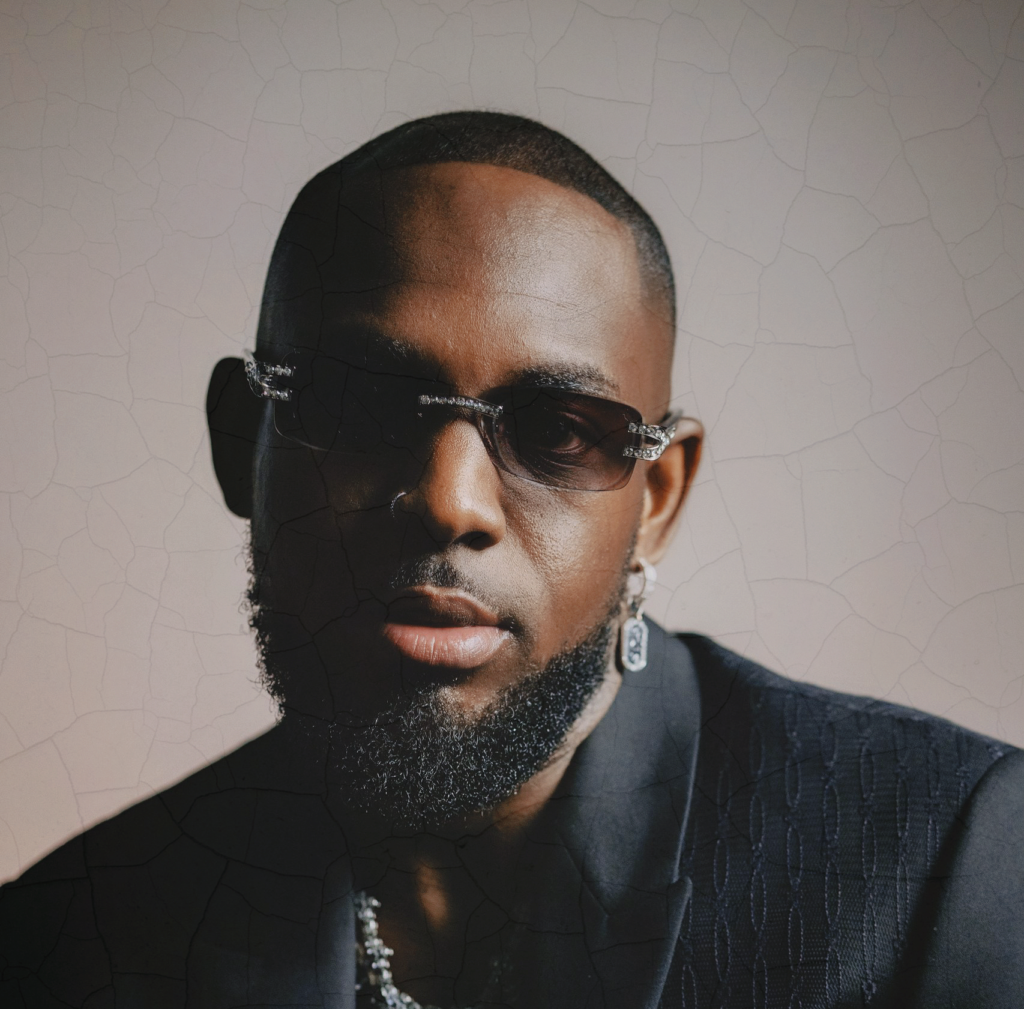
Gift O.F.A’s journey from Edo State to the stages of London is an inspiring story of authenticity, reinvention, and purpose.
Growing up in Edo State, Gift O.F.A absorbed the sounds and attitudes of Nigeria’s musical heavyweights, but it wasn’t until the 2020 that he committed fully to making music on his own terms. The shift from LipsyBaby to Gift O.F.A wasn’t a dramatic reinvention so much as a practical step toward aligning name, identity and direction. Now based in South East London, his work blends the sounds of classic Afrobeat with the modern vibes of contemporary Afroswing, avoiding nostalgia while acknowledging his influences. That unique approach shows through on Ebun-Oluwa, the three-track EP that has gained widespread coverage and earned Gift legions of new fans. With growing live credentials and increasing attention around his recent work, he’s carving out his lane through consistency, individuality and a commitment to expanding his artistic vision.
Growing up in Edo State, what early experiences shaped your relationship with music?
Growing up, I was surrounded by music from icons like Danfo Drivers, P-Square, Zulezoo, and most importantly, the legend himself, Fela Kuti. As a teenager, I would imitate Fela — topless, powder around my neck, dancing the way he did on stage. Those moments were the earliest sparks that shaped my love for performance and made music feel like a calling rather than just entertainment.
When did you first realise music could be a serious path for you and more than just a passion?
I first began making music in 2010 but took a long break until the COVID pandemic in 2020. During lockdown, when the world went still, I finally had the space to ask myself what I truly loved. I challenged myself to make five songs in three months — by the end of that period, I had made more than 30. That was the moment I knew music wasn’t just passion; it was purpose.
When did you first realise music could be a serious path for you and more than just a passion?
Relocating to the UK was not easy. Even though I already had a musical foundation in Nigeria, moving meant focusing on education and navigating the realities of life. Looking back, that experience gave me maturity, direction, and confidence. Finding my identity in a new environment shaped my sound and helped me grow into the artist I am today.
Your rebrand from LipsyBaby to Gift O.F.A marked a turning point. How did that transition strengthen your artistic identity?
The rebrand was a blessing I didn’t realise I needed. I still love the name LipsyBaby, but adopting “Gift” — my birth name — helped unify who I am as an artist and as a person. It made me see myself as a full brand, not just a musician. My purpose has always been to make Africa shine, so carrying the name “Gift OF Africa” is something I honour with pride every day.
What decisions or milestones helped position you among the Top 50 Afroswing artists worldwide?
Honestly, the credit goes to the people who support me and want to see me win. I don’t feel I’ve done anything more special than anyone else — I just wake up every day determined to do more and to make my family and fans proud. I believe that passion is the true secret. And of course, my song “Africa Shakara” has been a major force in that journey.
Your influences range from Fela Kuti to Wizkid. How do you blend these different vibes into your own style?
For me, it’s all about merging the past with the present. I’m deeply connected to the original Afrobeat sound — the instruments, the saxophone, the rawness. But I’m also inspired by the new generation. My aim is to mix quality instrumentation with modern feelings and experiences, creating a hybrid style. Someone once called my music “Afro-Hybrid,” and I think that describes it well. These influences push me to be the best version of myself.
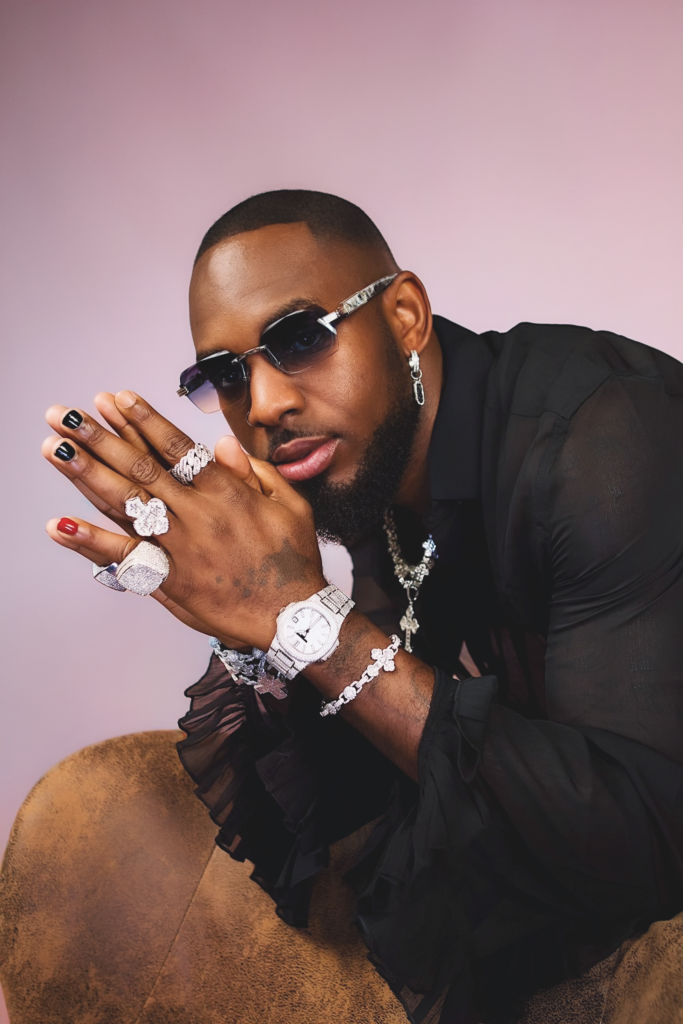
What personal themes were you exploring on Ebun-Oluwa, and why was it important to theme the project around your birth name?
“Ebun-Oluwa” was inspired by the feeling I got from Wizkid’s “IDK” featuring Zlatan — the powerful African vibe enhanced by background vocals. The track reflects my birthplace, my upbringing, and the determination of a young boy trying to rise above his environment. After my rebrand, I needed to reintroduce myself — to embrace the true meaning behind being called “The Gift of Africa.” It was an awakening. This project represents the alignment of my identity, my artistry, and my vision.
“Majo” is a standout track. What made it resonate so strongly with listeners?
“Majo” captures exactly what I want people to feel when they listen to my music — joy. It’s a record I genuinely enjoyed creating, and I think that energy comes through to every listener. It also reflects that Afro-Hybrid sound I mentioned earlier. It’s feel-good from start to finish.
How has your performance style evolved as you’ve moved from local venues to bigger stages like Outernet London and the Royal Albert Hall?
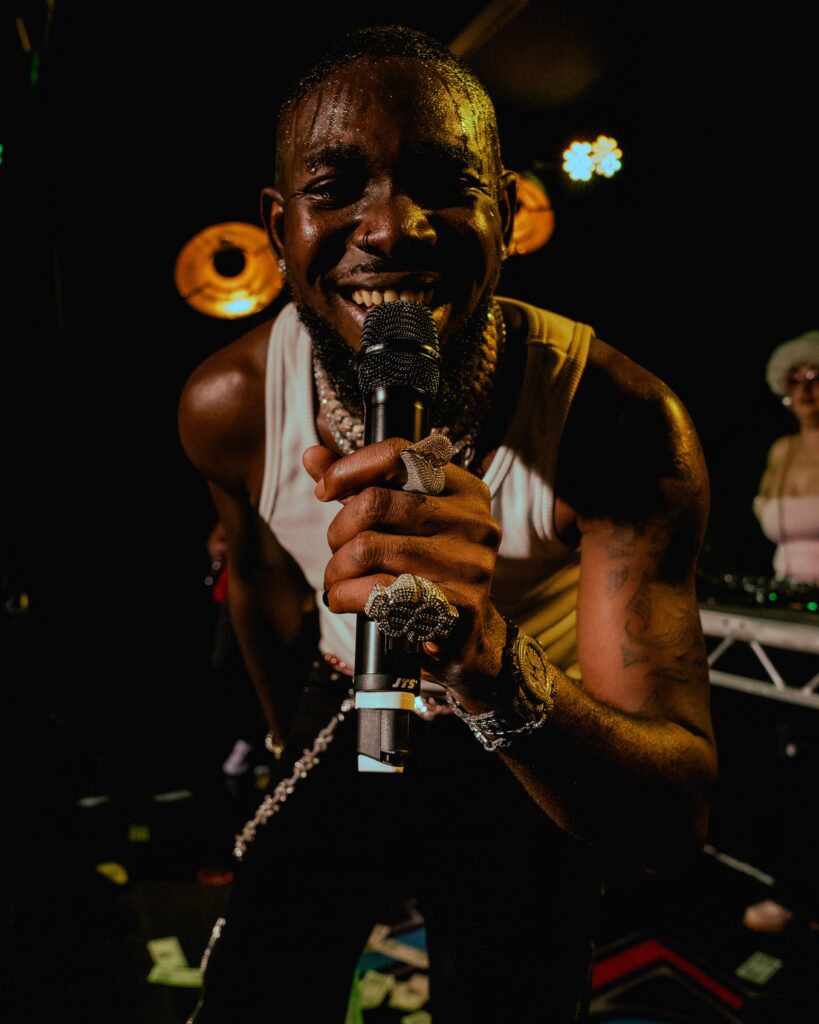
Performing has always been my first love. I believe anything you do with heart and soul improves over time. Performing at Outernet for 2,000 people was intimidating at first, but I reminded myself that whether it’s 10 people or 2,000, I owe the same energy and passion. That mindset helped me grow, and now performing in big venues feels like second nature.
Has fatherhood influenced your music?
Absolutely — fatherhood has been a blessing. Nothing compares to hearing my daughter say, “Daddy, I was watching you dancing on stage.” Knowing she’s proud means everything. It also keeps me mindful about my lyrics; I want her and other children to be able to enjoy my music without hearing unnecessary vulgarity.
As Afrobeats continues to expand globally, what do you think audiences still misunderstand about the new wave of artists?
I don’t think audiences misunderstand the new wave — I think the new wave is simply more experimental. Artists today are trying new sounds, and sometimes unfamiliar music can be overlooked until it becomes viral or widely accepted. Regardless of status, artists should be supported and given creative freedom. Limiting that could stunt growth and versatility.
What advice would you offer rising artists trying to make a name for themselves?
Lead with love and respect. Value people, and most importantly, value yourself. Your abilities and your character are the strongest currency you have. Build relationships, stay consistent, and stay true to your craft.