



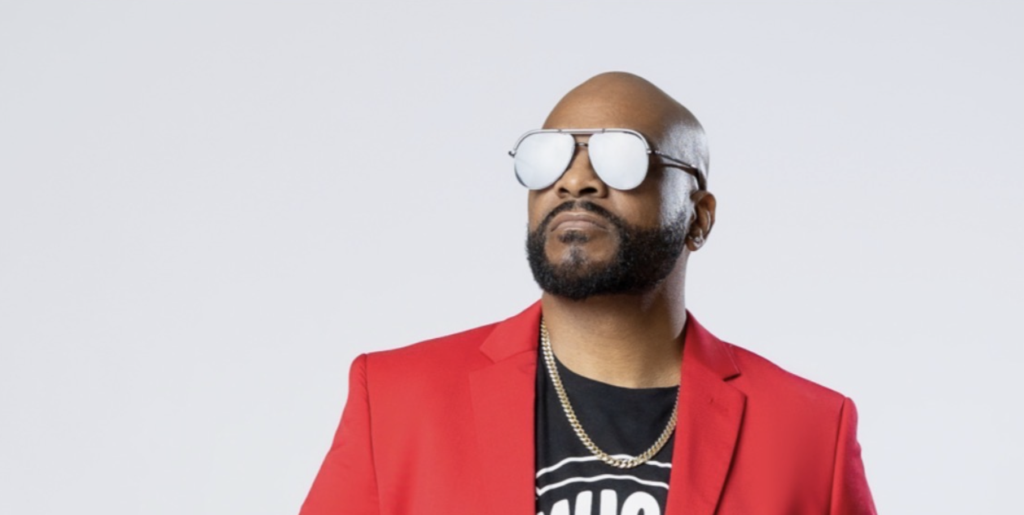
DNJ Music Group marks the next chapter for IAMDJDRAKE: a space built to carry his creativity beyond the house-focused foundation of DNJ Records.
Raised on a diverse mix of sounds at home, Drake spent decades refining his craft behind the turntables before stepping into production himself. Having spent 25 years mastering how to move dancefloors and reading crowds, from radio to clubs to international stages, he now channels that intuition into artist development. DNJ Music Group isn’t merely a label, it’s a platform: one that embraces Afro-house, Amapiano, R&B, Afrobeats and Hip-Hop, and gives emerging artists a space to grow. With one foot in his house music origins and the other in global rhythms, IAMDJDRAKE is pioneering a sound that’s both deeply rooted and forward-looking.
What motivated you to launch DNJ Music Group, and how does it expand on what you built with DNJ Records?
DNJ Records was the first label I launched. It started as a home strictly for House Music—deep house, soulful house, Afro-house, all of it—and became the platform where I released my own music and defined my sound. As my creativity expanded, I founded DNJ Music Group to explore additional genres like R&B, Amapiano, Afrobeats, and Hip Hop, while creating space for new and upcoming artists to develop. Together, DNJ Records and DNJ Music Group represent both sides of my artistry: my roots in House Music and my passion for pushing into new sounds
Tell us a little about your background. What’s been the proudest moment in your career so far?
I grew up as the youngest of four, so I was exposed to every genre you can imagine just by listening to whatever my parents and older siblings were playing. That early mix of sounds shaped my ear. I started DJing at 13, learned the fundamentals the old-school way, and kept elevating my skills by blending hip-hop, R&B, and anything else that inspired me. Those skills opened doors, and before long I was performing with some of the top artists in the game. Being a real DJ means more than just playing records—you’re constantly reimagining them. Remixing tracks became my creative outlet, and that’s where I discovered my passion for actually making music. My proudest moment so far has been stepping out on faith and releasing my own music independently under the name IAMDJDRAKE. It was a leap, but it confirmed that creating my own sound is exactly where I’m meant to be.
Your 25+ years as a DJ have covered radio, clubs, and international stages. How does that experience shape the label’s creative direction?
With more than 25 years behind the turntables—across radio, clubs, and performance stages—I’ve learned that great music is about energy, emotion, and truth. That perspective shapes the label’s creative direction. Radio taught me how to understand listeners and recognize records with staying power. Clubs taught me how to create sounds that move people physically and spiritually. Performing on stage exposed me to new rhythms and communities, reminding me that Afro-house is both local and universal at the same time. So, when we sign artists, I’m listening for music that carries that same global pulse—records that can live on playlists, ignite a dancefloor, and resonate across borders. I approach the label like a DJ approaches a set: storytelling through sound, trusting instinct, and pushing the crowd to want more.
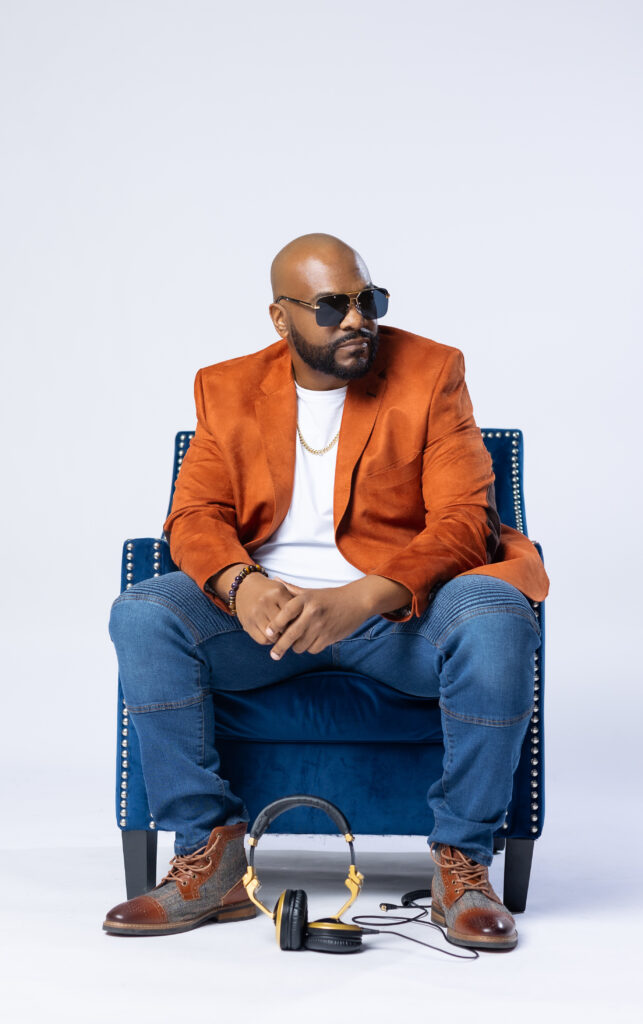
What did you learn from recording your own releases that you now bring to developing new artists?
My experience recording my own music gave me a deep understanding of the creative and technical journey artists go through—everything from songwriting and arrangement to mixing, branding, and release strategy. I bring those insights into artist development. I help them trust their instinct, refine their craft, and understand the full creative process, not just the excitement of the final mix. My journey showed me that great music comes from honesty and discipline, and that’s exactly what I pour into developing new talent.
How will DNJ Music Group stand out among many labels focused on Afrobeats, Amapiano, and Afro House music?
Most labels in this space are reacting to what’s hot—DNJ Music Group is building what’s next. We blend the energy of Afro House, the soul of Amapiano, the vibe of R&B, and the edge of Hip Hop into a sound that’s both global and undeniably ours. And because I come from the DJ world, I know how to make records that move people. We’re not here to fit in—we’re here to set the tone and give artists a platform where their sound can evolve into something iconic.
Your recent releases have shown an even stronger embrace of African-rooted sounds. What inspired that progression?
The progression happened naturally. Once I started exploring my own sound more deeply, I kept finding myself drawn to African rhythms—those drums, those chants, that connection to movement and emotion. It reminded me of why I started making music in the first place. Embracing African-rooted sounds felt like returning home creatively. It gave me space to experiment, evolve, and tell stories through music that genuinely moves people.
What qualities are you looking for in the artists you plan to sign to DNJ Music Group?
When signing artists to DNJ Music Group, I look for a combination of talent, originality, and authenticity. I want artists who have a clear creative vision, a strong sense of their own sound, and the courage to push boundaries while staying true to themselves. I also look for passion, work ethic, and the ability to connect with listeners—whether on the dancefloor, in headphones, or across cultures. Ultimately, I’m looking for artists who aren’t just chasing trends but are ready to grow, experiment, and build a lasting career while contributing to the global sound we’re championing at DNJ Music Group.
How do you see DNJ Music Group bridging African influences with U.S. and UK club culture?
DNJ Music Group bridges African influences with U.S. and UK club culture by creating music that honors its roots while speaking to global audiences. My experience as a DJ across radio, clubs, and international stages has taught me how rhythms translate differently in different spaces. We take Afro House, Amapiano, and other African-rooted sounds and craft them so they resonate on dancefloors from Lagos to London to New York, while maintaining authenticity. It’s about capturing the soul of African music and pairing it with production, energy, and storytelling that works worldwide—connecting cultures, movements, and listeners through one shared beat.
What advice would you offer younger artists trying to break through in the music industry?
Stay true to your sound, keep learning your craft, and don’t be afraid to take creative risks. Build your own story, be patient, and stay consistent—success comes from passion, persistence, and authenticity.