



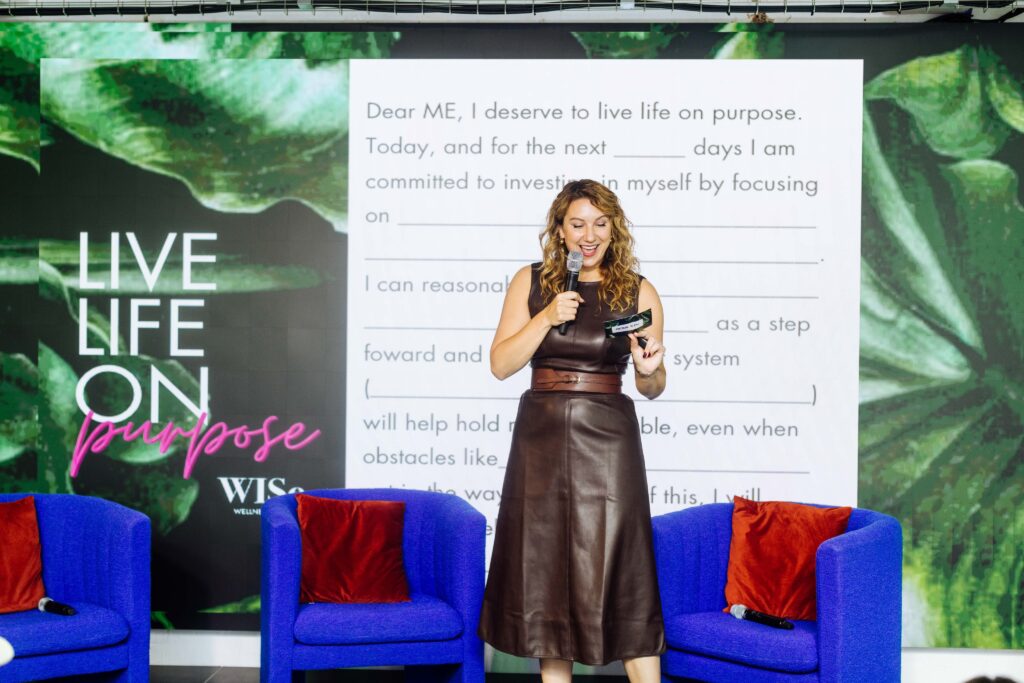
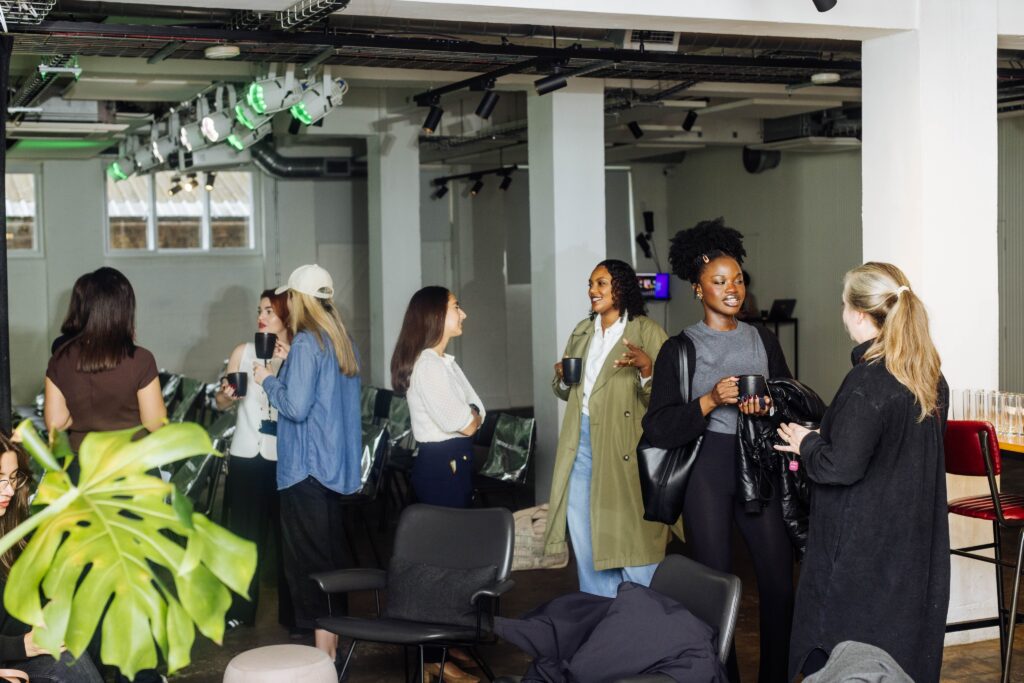
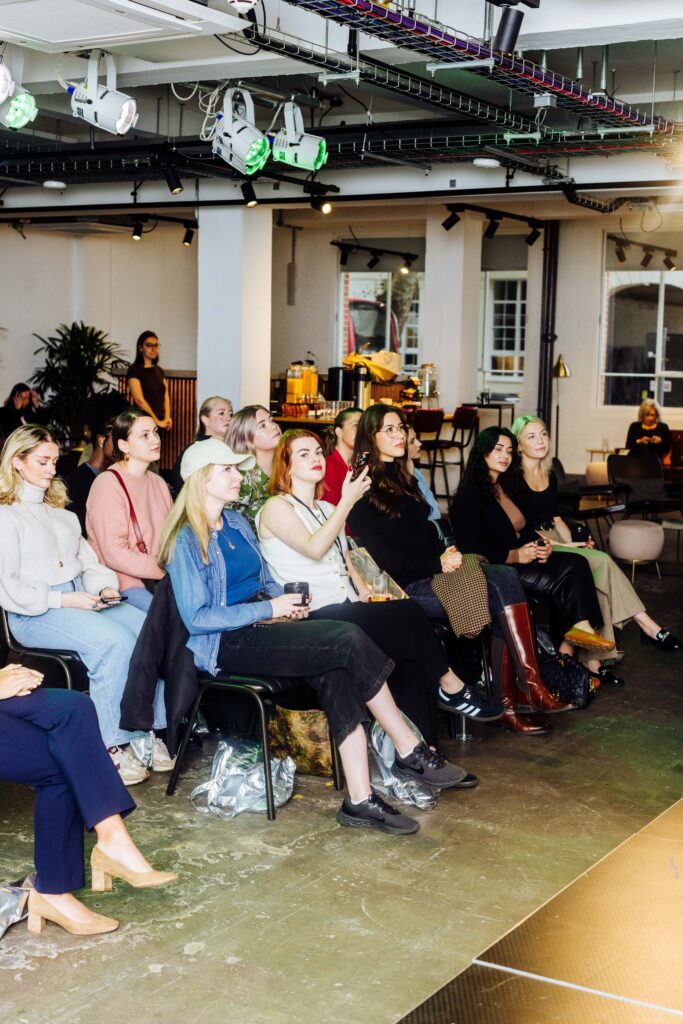
On Tuesday, 14th October, MN2S hosted “A Morning with WISe Wellness Guild” at The Ministry, bringing together leaders from the wellness and media industries for a morning of connection, inspiration, and actionable insight.
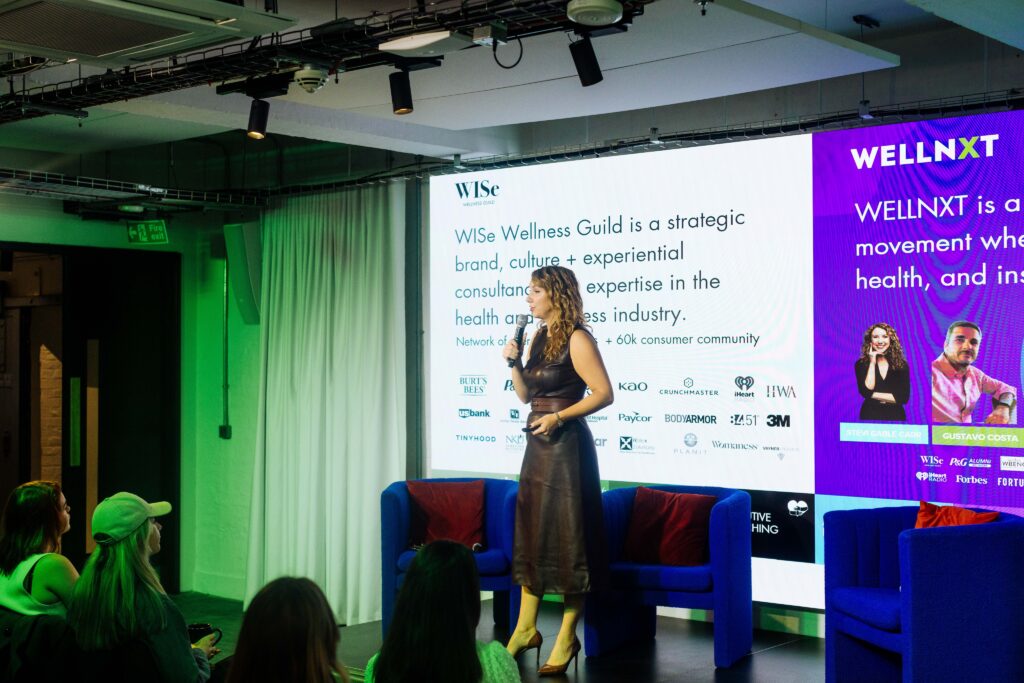
The event featured a networking breakfast, a keynote by Stevi Gable Carr, and a panel discussion exploring the future of workplace wellness, leadership, and the ROI of well-being.
With gifting partners Grown Alchemist and TULA Skincare, attendees enjoyed curated products that elevated the sensory experience, a fitting complement to a morning focused on whole-self wellness and intentional leadership.

Wellness as the New ROI
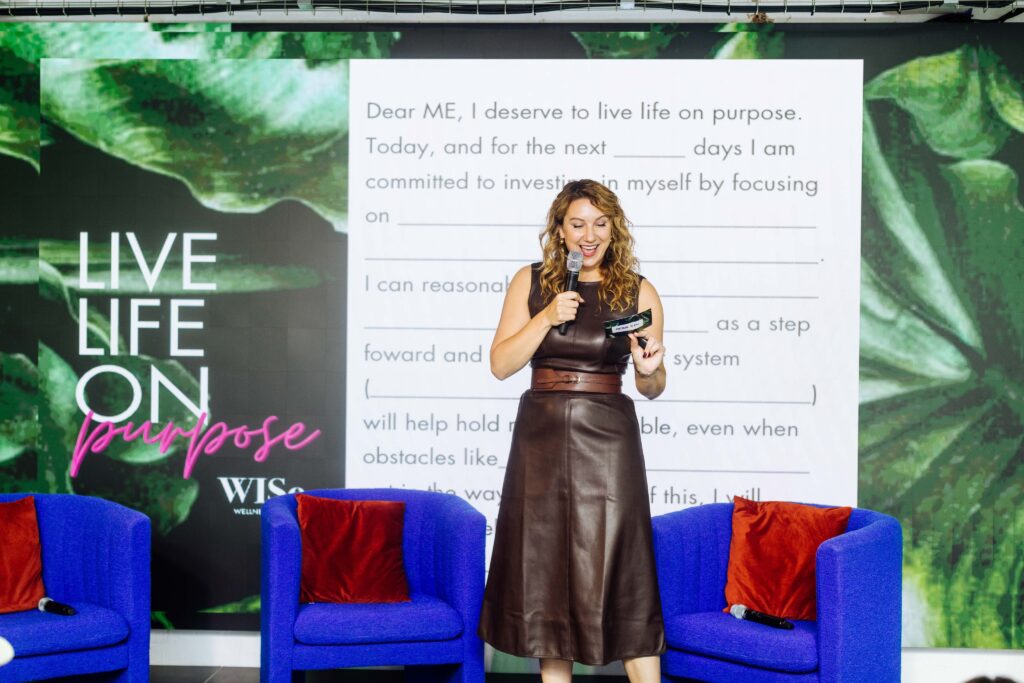
Stevi Gable Carr set the tone for the day by reframing how organisations should view employee wellbeing. She noted that investments in wellness often return multiple times over in improved productivity and culture. “For every pound invested in wellness, organizations can see up to five pounds back in productivity and cultural well-being” Carr encouraged leaders to view wellness as a strategic investment rather than a nice-to-have and to prioritise the intention behind how they support people. She noted that while many employers assume mental health is the top concern, “financial wellness…is one of those things that if you just educate people on the benefits that they have, if you support them in all of their efforts, we can really help to make a change and get, instill confidence in them so they don’t feel stressed out about needing that new promotion.” By investing in helping employees understand financial benefits like insurance, retirement plans, and other workplace perks, employers can reduce stress, boost retention, and improve productivity. Companies can offer benefits such as health, dental, and vision insurance, life and disability coverage, retirement contributions, tuition reimbursement, and student loan support, as well as mental health services, wellness programs, flexible working arrangements, transportation subsidies, and professional development opportunities. When employees are educated about these benefits and don’t need to pay for them out of pocket, they gain confidence and financial security, allowing them to focus more on their work and overall well-being. Instead of stressing out about how they are going to afford basic infrastructure to support and maintain their own well-being and therefore ability to perform.
When asked “Why do you think some companies still see it [Benefits] as a nice to have?” Carr replied: “Wellness as an investment. I think that people haven’t quite grasped how fractured the workplace has been for some time because people have been showing up in a false sense of security.” She explained that while small transitions in wellness have been made, many employers treat it like a perk rather than an investment, saying, “Instead of looking at investment in your asset… for example. You wouldn’t look at a piece of machinery as something you’ve never had to invest in. They have downtime. They do tune-ups. But that piece of machinery also has to go home and take care of an aging parent. That piece of machinery also has to up and walk away and get the kid on the bus. So, go and invest in their own wellness.” Carr emphasized that the incoming Gen Z workforce is less interested in perks like ping-pong tables or free lunches, noting, “We don’t care about your “perks”…What we care about is being able to sustain and achieve life on our own terms.” As also touched on how roles need to align with staff values and morals to assure alignment and that the roles serve them as people and not just as a means to an end.
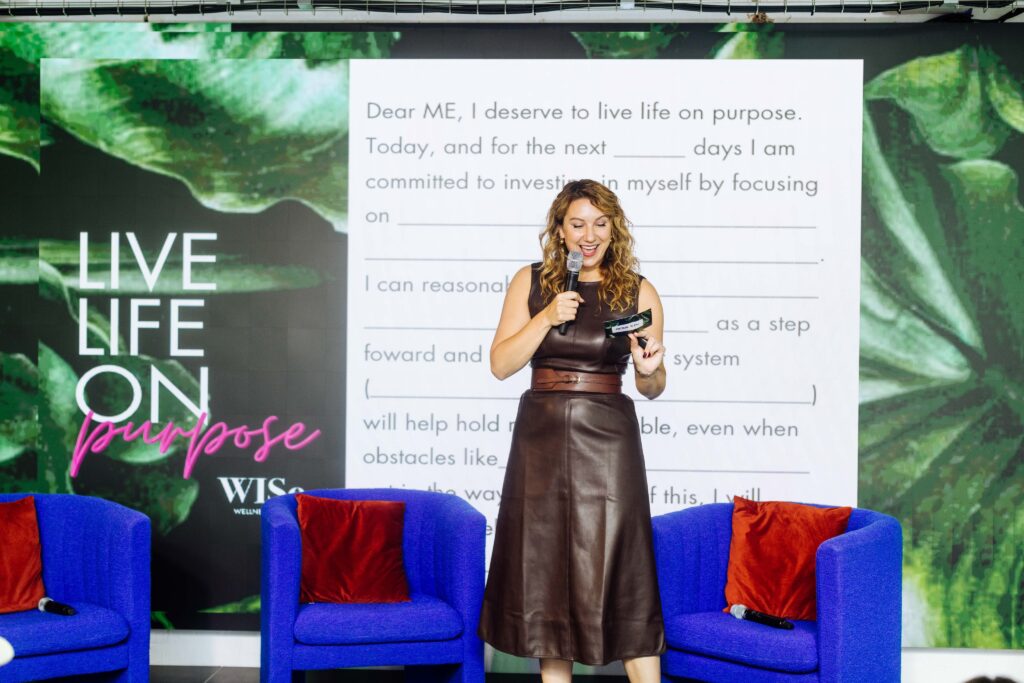
Carr was inadvertently touching on the fact that at the moment, many Gen Z and millennial workers are experiencing burnout, driven by economic structures that seem increasingly misaligned with their financial realities. Housing affordability is a stark example. In 1970, the median monthly rent in the U.S. was $108, and the average annual income was approximately $9,870. This means rent consumed about 13% of a person’s annual salary. Fast forward to 2022, and the median monthly rent had risen to $1,300, while the median annual income was around $75,000. Rent now consumes about 21% of annual income, a significant increase over the past five decades.
This disparity is even more pronounced in the UK. In 2024, tenants in England spent an average of 36.3% of their income on rent, surpassing the 30% threshold considered affordable, according to The Guardian. In London, the situation is even more dire, with renters dedicating 41.6% of their income to housing cost, which is abhorrent when most employers expect their team to attend the office, often in based in centre of London.
These figures underscore a broader issue: the economic systems in place today were designed decades ago, as was the 9-5 work structure, often by individuals whose experiences and challenges differ significantly from those of today’s workforce. CEOs who built their companies 30 to 50 years ago may not fully grasp the financial pressures faced by younger generations, leading to policies and expectations that don’t align with current economic realities.
Carr argued that recognizing employees as valuable, multi-dimensional assets and investing in their wellness through benefits like financial education, healthcare, flexible work, and professional development can reduce stress, boost retention, and improve productivity while creating a more human-centered workplace.
She also introduced the concept of the portfolio career, a flexible model that values multi-skilled, multi-passionate professionals. “Most people use less than 20% of their skills in their full-time jobs.” She explained that many people feel burnt out and frustrated because their full-time roles do not let them use the full breadth of their abilities. Carr asked attendees to consider how they spend energy across work, family, and personal interests and to rebalance toward activities that replenish rather than drain.
Time management is out. Energy management is in. It’s not about capability; it’s about capacity, and capacity isn’t always about time. It’s about energy
This holistic approach encourages employees to align their work with their values, creating more balanced, engaged, and productive lives.
Micro-Moments and the Power of Renewal
Carr also emphasised the importance of micro-moments, small intentional actions that restore focus and energy throughout the day.”Rest, recovery, and renewal are the three R’s of resilience. Rest is sleep. Recovery is action. But renewal is reconnecting with why you said yes in the first place“
Attendees shared simple rituals that help them reset and re-energise, from mindful breathwork to short family discos. These exchanges demonstrated that even a few intentional minutes can transform one’s mindset.
Panel Discussion: The ROI of Wellness
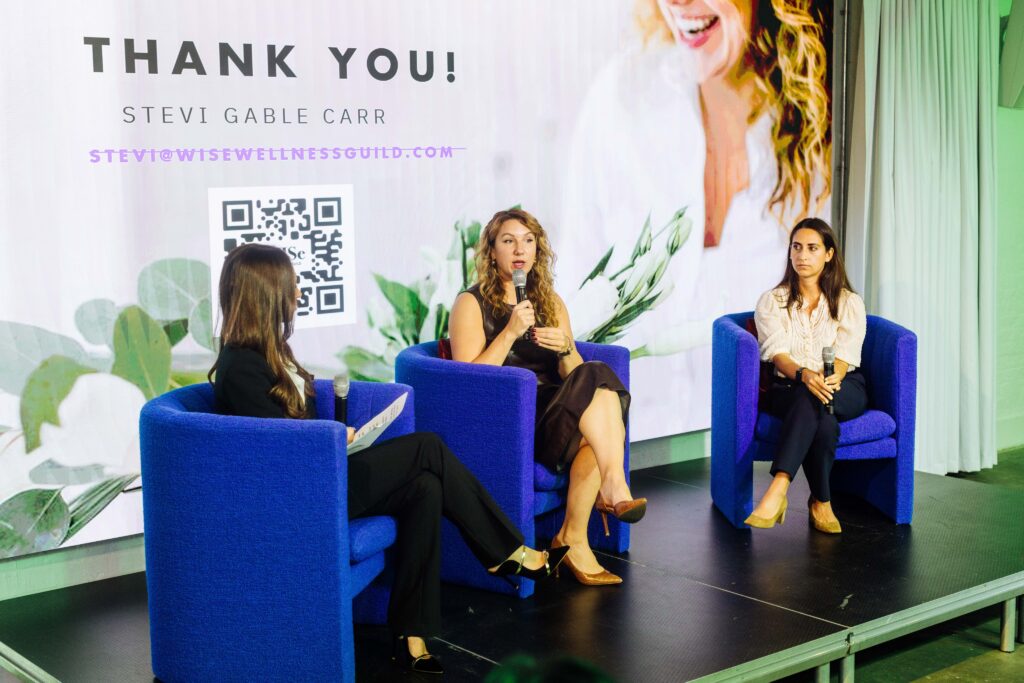
Following the keynote, a moderated panel featuring Stevi Gable Carr and Jackie, founder of Mellow Box, explored the measurable impact of wellness in business. “Investing in employee wellness goes beyond boosting morale. It’s a strategic move that yields high returns in productivity and engagement.” Jackie shared her journey from a high-pressure corporate career to founding a wellness brand rooted in mindfulness and sensory rituals. Even lighting a candle can mark the shift between work and rest. It’s a simple reminder to slow down and breathe. Together, the panelists reinforced that wellness is not only a personal benefit but also a long-term business strategy.
The Feminine Future of Leadership
During the Q&A, an attendee asked how workplaces can balance masculine and feminine leadership approaches. Carr’s response resonated strongly with the room. “We sometimes do cosplay in more of that masculine role in order to retain our roles, but ultimately, women are the purveyors of culture.For too long, we’ve sought permission to lead with empathy and authenticity. It’s time we claim that power with audacity and intention. Empathy is one of the best qualities you can have as a leader…it’s also being the people person and seeing the other person’s perspective.”
An audience member shared a personal story, reflecting a common scenario among overachievers. They regularly take on more responsibilities than their job description mandates, leading to frustration and burnout without adequate compensation. Our speaker responded by encouraging a re-evaluation of values and boundaries, asking, “What is it about this that’s triggering me to need to excel in everything?Are these patterns serving you?” The discussion expanded to include personal insights on establishing healthier boundaries. A key takeaway centered on the importance of recognizing patterns and values that may no longer serve one’s emotional well-being. “It’s about pattern recognition,” remarked a speaker, urging participants to assess which values and behaviors need to be adjusted to align better with personal well-being goals. Our speakers also highlighted the significance of envisioning a healthier work environment and strategizing steps toward fulfilling that vision. “Ask yourself what a healthy workplace looks like and if that can be created within your current environment.”
Another perspective offered involved developing a personal board of advisors: trusted individuals, either within or outside the organization, who can provide guidance and support. Identifying role models and seeking advice from those who have successfully navigated similar paths can be instrumental in aligning personal and professional aspirations. This is something that CEO’s can put in place to help with retention.
In closing, an attendee shared a transformative realization: “You don’t always have to be perfect in everything you are doing…moving into things that might be imperfections can help you grow.” This insight resonated with many, highlighting a crucial shift away from perfectionism towards accepting learning opportunities.
Lasting Impact and Takeaways
Attendees left with renewed clarity, inspiration, and practical tools to apply in their professional lives.
This event reminded me that wellness isn’t something to squeeze in. It’s the foundation for everything else
MN2S demonstrated its ability to design transformative professional gatherings that combine meaningful discussion, practical insight, and sensory experience to foster both personal and organisational growth.
“A Morning with WISe Wellness Guild” showed that when organisations invest in wellbeing, they unlockmore than productivity. They ignite creativity, purpose, and community.