



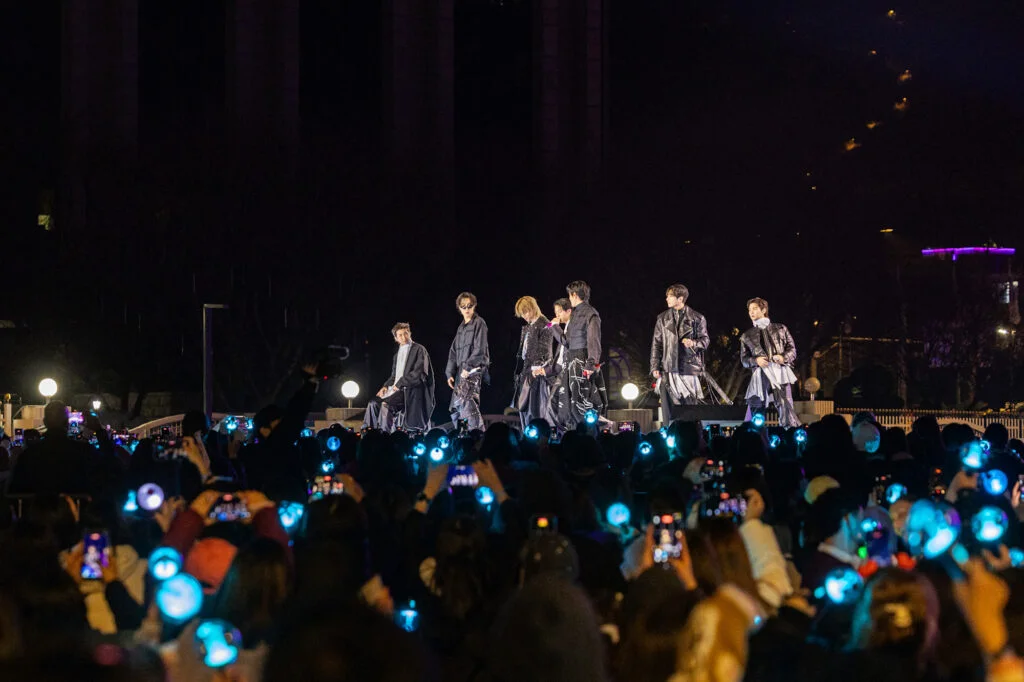
The ARMY doesn’t just consume. It deploys.
When BTS performed their comeback concert at Gwanghwamun Square in Seoul on 21 March 2026, 18.4 million people watched live on Netflix. The broadcast hit number one in 24 countries and cracked the top 10 in 80. It generated 2.62 billion social impressions on Netflix’s own channels alone. For context, that’s more than quadruple the social conversation generated by the entire NFL Christmas Day slate.
That wasn’t an audience. That was an activation, and the brands paying attention didn’t waste a second.
Fandom is not a demographic. It’s a distribution channel.
Western marketing has spent years treating fandom as a targeting category. A bucket of people who like a thing. K-pop built something fundamentally different: a participation infrastructure.
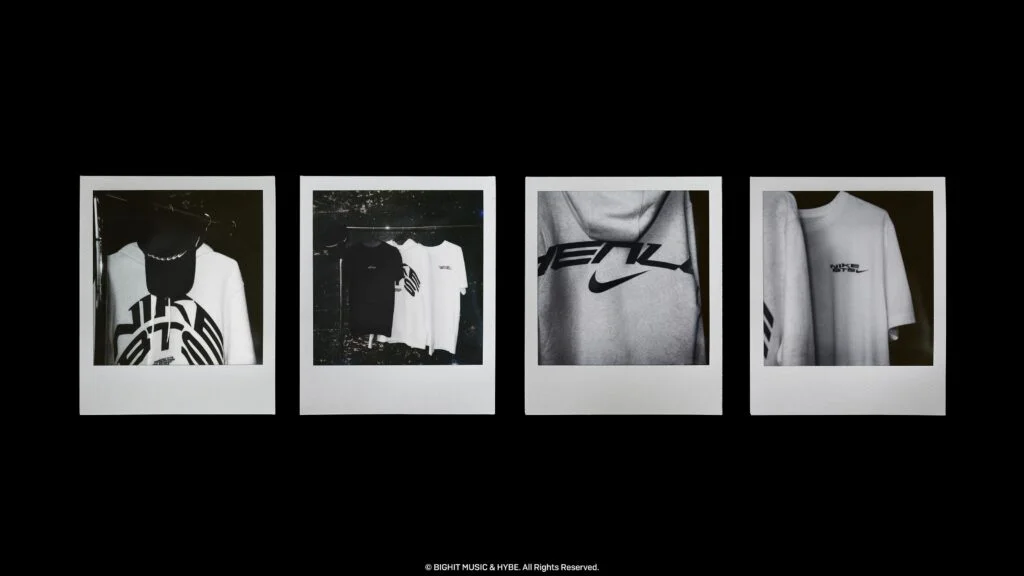
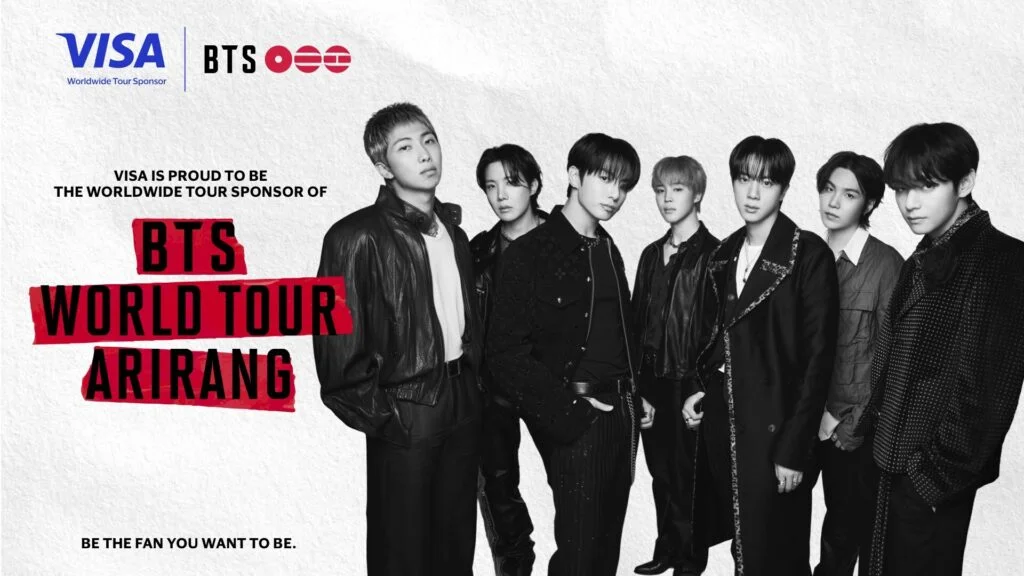
The BTS ARIRANG World Tour, currently running across 85+ dates in 23 countries, is the clearest live demonstration of this in 2026. Visa signed on as worldwide tour sponsor. Samsung locked in as a global partner, placing Galaxy technology at the centre of the fan experience. Nike launched a first-of-its-kind “Nike By You” customisation activation, giving fans 10 custom BTS-inspired designs to personally apply to apparel and totes at select stores from 1 June. Not standard merch. Not a badge. A participation product.
That’s the point. Nike didn’t just put its logo on a tour. It gave the ARMY something to make their own.
This is the shift. The K-pop model doesn’t ask fans to buy. It asks them to contribute, express, co-create, coordinate. And fans respond with the kind of commitment that no paid media budget can manufacture.
The machine behind the music
To understand why this matters to brand marketers, you need to understand what K-pop actually built.
Weverse, HYBE’s fan engagement platform, hit a record 13.37 million monthly active users in Q1 2026, up 20% quarter-on-quarter. Approximately 90% of that traffic comes from outside South Korea. The platform hosts 178 artists, the vast majority signed to labels other than HYBE itself. It has become, in effect, global public infrastructure for fandom.
Fans on Weverse spend an average of 263 minutes per month on the platform. They are not scrolling passively. They are buying, voting, streaming in coordination, funding fan projects, translating content, and operating as unpaid global marketing teams for the artists they love.
Goldman Sachs has estimated the superfan monetisation opportunity for the music industry at $4.3 billion annually. But the brands that truly grasp this are not thinking about it as a music industry number. They are thinking about it as an access question. Because superfans do not just spend more on music. They spend 66% more on live experiences, twice as much on physical purchases, and they move in coordinated, amplifiable groups.
What smart brands are doing differently
The lesson from the brands activating around BTS in 2026 is not “spend more on K-pop.” It is a strategic reframe of what brand partnership with talent actually means.
Samsung did not simply badge the ARIRANG tour. It built its Galaxy brand into the fan experience itself, framing the technology as the bridge between BTS and the global ARMY. Visa structured fan-exclusive ticket access through its partnership, turning cardholders in eight Asia Pacific markets into insiders rather than passive spectators.
These are participation mechanics, not sponsorship mechanics. They work because K-pop fandoms are already primed to act. They coordinate. They amplify. They make content. The brand’s job is not to interrupt that behaviour but to become part of it.
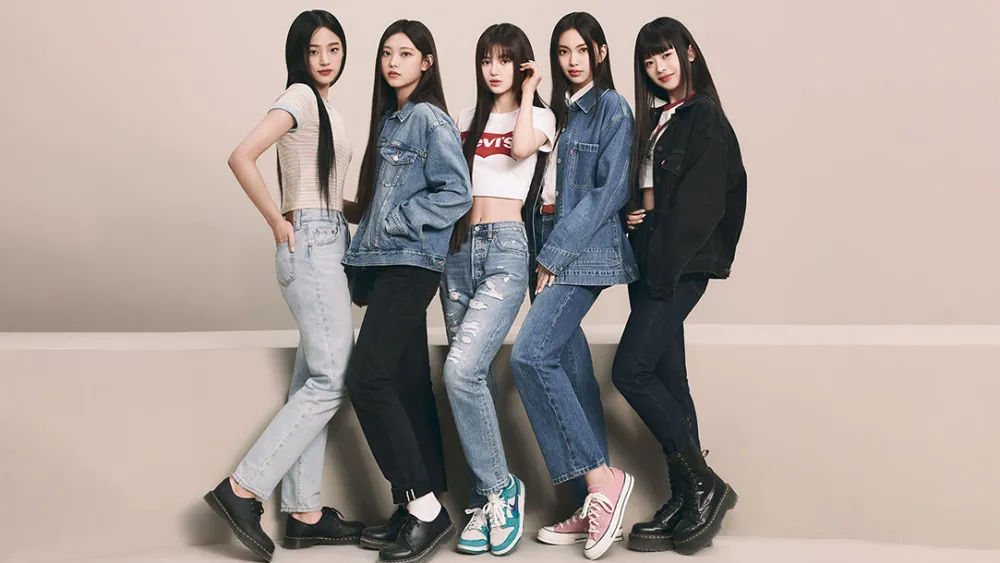
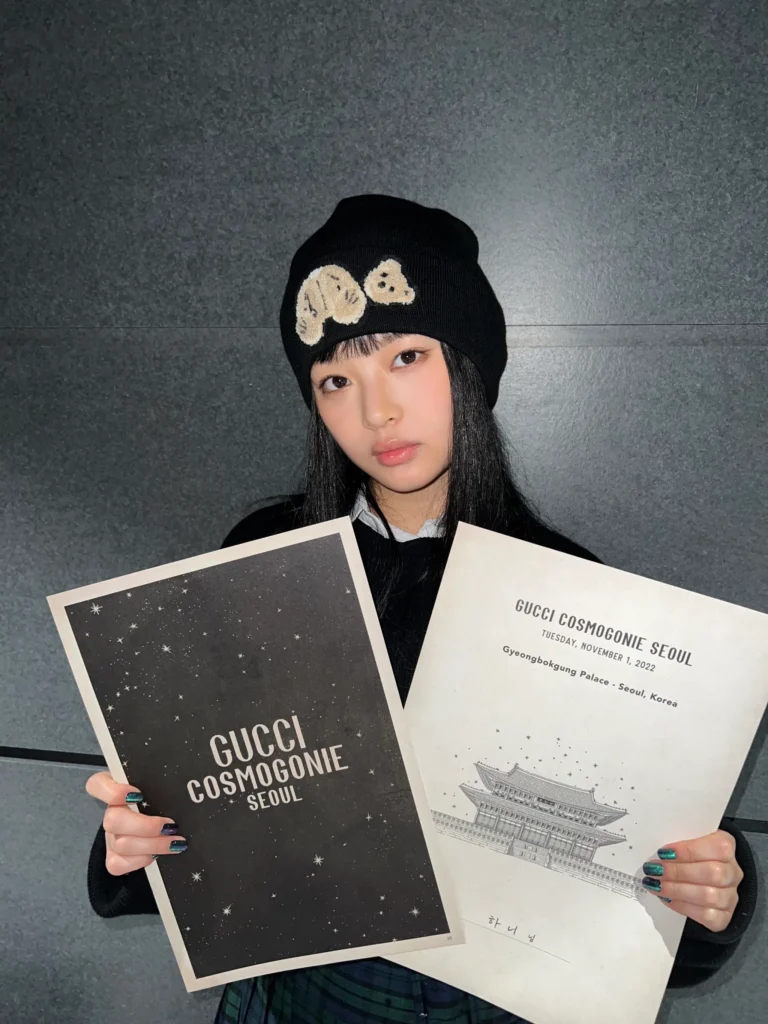
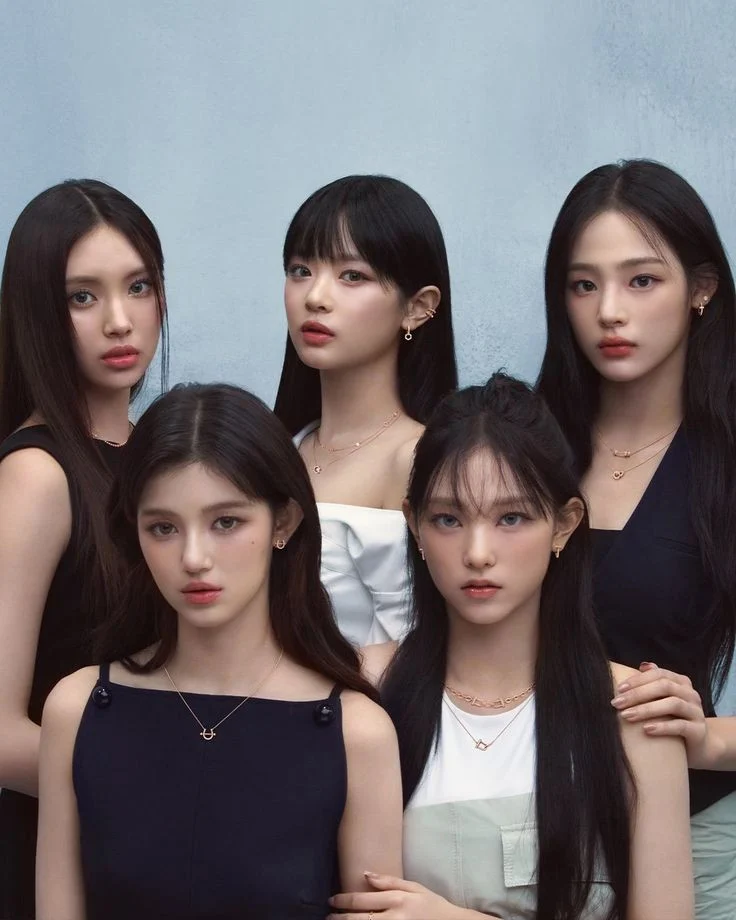
This principle extends well beyond BTS. Groups like NewJeans arrived with luxury brand infrastructure baked in from debut. Within their first year, each of the five members had secured individual global ambassador deals with houses including Gucci, Louis Vuitton, Dior, Burberry, and YSL Beauty. That is not coincidence. That is the K-pop model operating at full speed: talent engineered for brand partnership, fanbases engineered for amplification, and a cultural identity precise enough to slot directly into a campaign brief.
For brands in beauty, fashion, tech, and lifestyle, the question is no longer whether K-pop talent delivers ROI. It demonstrably does. The question is whether you are engaging that talent in a way that activates the fandom, or simply renting a face.
The window brands are missing
There is a common mistake in how Western brands approach K-pop partnerships. They treat them as they would any celebrity endorsement. Sign the talent, produce the content, post the campaign, measure impressions.
That model leaves most of the value on the table.
The ARMY does not respond to content issued at them. It responds to content it can participate in. Nike grasped this. The Nike By You activation is not a K-pop campaign. It is an invitation to the fandom to become co-authors of a product. The social content, the in-store queues, the UGC flood that follows, the secondary market conversation: none of that was paid for. All of it was earned, because the structure of the activation demanded participation rather than consumption.
This is the insight that travels. K-pop is the most visible case study, but the underlying logic applies to any fandom with this level of organisation: gaming communities, football supporter culture, anime fandoms, music scenes built around specific movements or genres. The brand that earns a role inside the community earns reach, trust, and commercial output that conventional influencer campaigns cannot replicate.
This is the moment to act
The ARIRANG tour runs through March 2027. North American, European, Latin American, and Asia Pacific dates are live or imminent. Brands that activate now, with genuine participation mechanics rather than badge sponsorship, are entering during peak cultural moment.
Beyond BTS, the K-pop ecosystem continues to produce talent whose fanbases are precisely the high-intent, globally coordinated audiences that performance marketers spend significant budgets trying to reach. BTS and NewJeans represent two generations of that story. Behind them, artists like NCT DREAM and Jang Won-young show the breadth of what is possible across genre, demographic, and brand category.
The infrastructure is there. The audience is ready. The question is whether your brand has a strategy that deserves to be inside it.
Get in touch with the MN2S team to explore K-pop and global music talent partnerships.