











News  17th February 2026
17th February 2026 

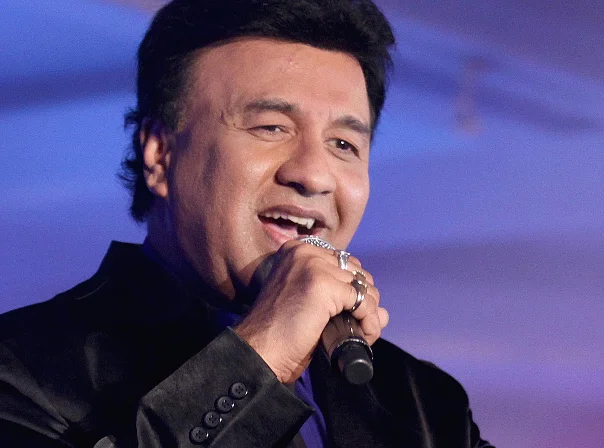
Anu Malik, an iconic figure in the Indian music industry, is celebrated for his extensive contributions as a composer, singer, and music arranger. Born into a musical family, he began his career in 1975 and quickly made a name for himself with his unique sound that often incorporated traditional instruments like the tabla. His breakthrough came in the 1990s with hit soundtracks for films such as “Baazigar” and “Main Hoon Na,” which not only showcased his versatility but also earned him multiple accolades, including the Filmfare Award for Best Music Director.
Throughout his career, Malik faced numerous challenges, including fierce competition from contemporaries and allegations of plagiarism. However, he persevered, adapting his style and embracing new musical trends. His ability to blend various genres and collaborate with renowned artists like Asha Bhosle and Kumar Sanu led to the creation of timeless classics that resonate with audiences even today. Malik’s journey is marked by resilience, as he navigated the evolving landscape of Bollywood music while maintaining his distinct identity.
In addition to his work in film, Malik gained fame as a judge on the reality show “Indian Idol,” where he mentored aspiring singers and shared his wealth of knowledge. His presence on the show not only solidified his status as a music authority but also allowed him to connect with the next generation of artists, inspiring them to pursue their dreams.
Anu Malik’s impact on the music industry is profound, with a legacy that includes numerous chart-topping hits and awards. His ability to innovate while honoring traditional sounds has left an indelible mark on Bollywood music, making him a beloved figure among fans and musicians alike. Malik’s story is a testament to the power of passion and perseverance in the face of adversity.

Looking for a different kind of talent? Browse our other talent rosters below to find the right talent to fit.