












News  17th February 2026
17th February 2026 

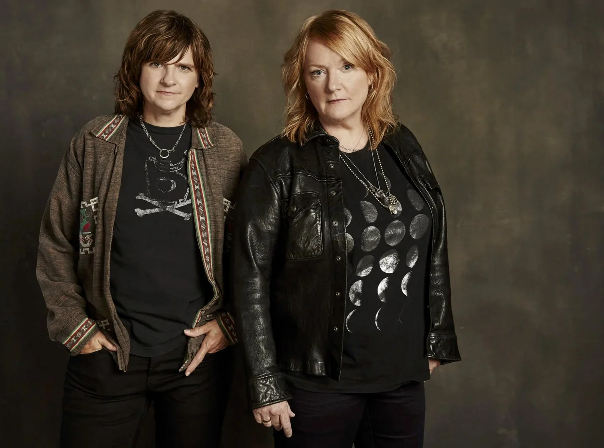
Indigo Girls, the iconic American folk rock duo, emerged from the sun-drenched suburbs of Decatur, Georgia, creating a rich tapestry of music that resonates deeply with themes of identity, love, and activism. Amy Ray and Emily Saliers first crossed paths in elementary school, their bond forged during impromptu jam sessions as teenagers. They found their footing in the vibrant music scene at Emory University, where they adopted the name Indigo Girls, a moniker inspired by a thorough search through the dictionary. Their journey began with modest performances at The Dugout, the local bar that would bear witness to the early stirrings of their now-celebrated partnership.
Their eponymous major-label debut in 1989 propelled them into the spotlight, featuring the now-classic “Closer to Fine.” With each subsequent album, from the Grammy Award-winning “Nomads Indians Saints” to the independently released “Poseidon and the Bitter Bug,” they not only defined a genre but also infused their music with messages of social justice and environmental responsibility. Critics have praised their ability to intertwine personal lyrics with broader societal issues, underscoring their roles as queer icons.
Over the years, they have explored their identities in the public eye, both as artists and activists. They’ve openly discussed their experiences with attraction across gender boundaries, allowing complex narratives of femininity and queerness to surface in their music and persona. A moment of revealing vulnerability came when Ray spoke about her gender dysphoria, making clear that their journeys are as much about self-exploration as they are about performance.
Beyond the music, they’ve been deeply involved in various causes, from Native American rights to LGBTQ+ advocacy, creating a legacy intertwined with a fierce commitment to activism. As they stand today, having toured with symphony orchestras and collaborated with names that honor their trajectory in the music business, Indigo Girls continue to inspire, reminding audiences not only of the power of their songs but of the importance of finding one’s voice in a world that often demands silence.
Interested in booking Indigo Girls?
Request A Show
Looking for a different kind of talent? Browse our other talent rosters below to find the right talent to fit.