







News  17th February 2026
17th February 2026 

 100k-500k
  100k-500k
  Poland
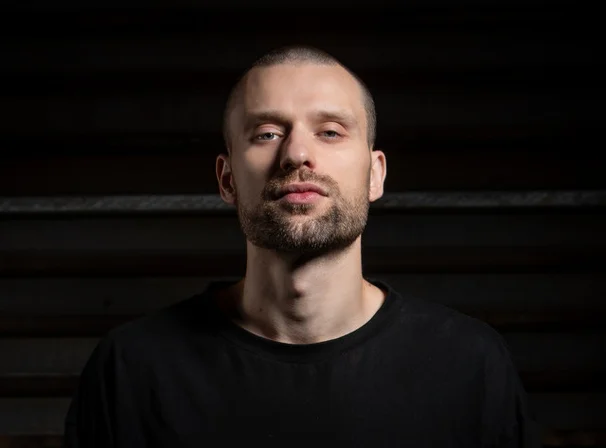
 Music has always been a lifeline for Dawid Kabaciński, a Polish DJ known to the world as Sikdope. Growing up, he was immersed in melody and rhythm, sharpened by formal training at a music school in Koszalin where he explored the piano, saxophone, and vocal techniques. In his early years, he led a rock band, making waves in Poland’s music scene and pushing the boundaries of youthful exuberance with numerous performances.
But the pull of electronic music—dubstep and drum and bass specifically—called him to a different stage. Fascinated by the freedom production offered, Dawid traded in his frontman role for the studio, immersing himself in a world that promised discretion and creativity. He’s found a balance, though, still lending his voice to another rock band while producing beats that resonate at clubs across the globe. As he put it in a reflective moment, “There’s something about producing that feels like home, yet performing still feeds my soul.”
Sikdope’s journey has not been without its hurdles and messy contradictions. Some might say he’s an enigma, a versatile artist carving out a niche in electronic dance music while remaining tethered to his rock roots. He’s drawn lineage from notable industry giants, gaining nods from the likes of Calvin Harris and Skrillex, yet, with each rising collaboration, a whisper of doubt lingers: are these connections propelling him forward or drowning out his own unique voice?
In the ever-evolving world of electronic music, Sikdope remains a relentless innovator. Whether he’s bringing the crowds alive in some of the world’s most renowned clubs or crafting tracks in the quiet of his studio, his pulse on the beat of modern sounds keeps the question alive: who is Dawid, really, in this complicated dance of identity and performance?

Looking for a different kind of talent? Browse our other talent rosters below to find the right talent to fit.