









Activism  18th September 2025
18th September 2025 

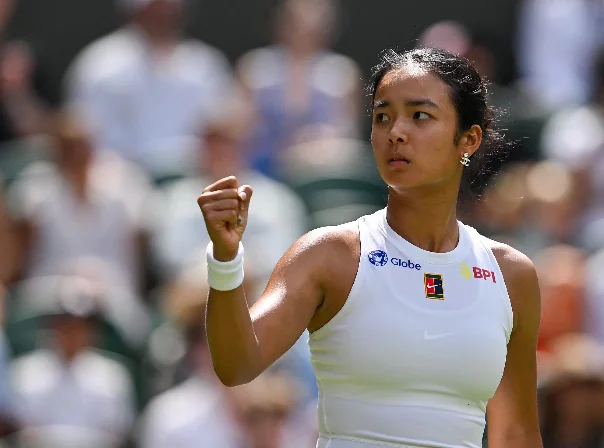
Alexandra Eala is carving her own path in the fiercely competitive world of tennis. Born in Quezon City, Philippines, she seemingly emerged from the shadows of her family’s illustrious sports background. Her mother, a former national swimmer, and her uncle, who led the Philippine Sports Commission, paved the way for a legacy of athleticism. Little did anyone know that Alexandra would not only follow suit but redefine boundaries, becoming the highest-ranked Filipino tennis player in tour history at just 20 years old.
From picking up a racquet at age four, guided by her grandfather’s coaching, to becoming a standout in junior tournaments, her trajectory has been both rapid and remarkable. By the time she was 12, she was already winning prestigious events, like the Les Petit As tournament. Yet, for all the honors that cloud her narrative, there remains an ambiguity—what drives her? Fame? Family legacy? Or something deeper that unfolds silently within the confines of a competitive mindset?
On the court, her game is a powerful blend of skilled precision and inherited flair. Known for her strict discipline and an aggressive baseline style, Eala is not just a player; she’s a symbol of hope for aspiring athletes back home. The forehand described as her “most dangerous weapon” resonates, yet there’s a duality—a vulnerability in her developing service game, hinting at the pressure she constantly faces as a trailblazer.
Among the more mundane aspects of her life, she’s just a young woman with a penchant for caldereta, savoring the moments that blend competitive drive with the comfort of home-cooked meals. Each victory, each endorsement deal—like those with Nike and Globe—paints a part of her story. But as she continues to step onto grand stages, there’s always a lingering question: Who will Alexandra Eala be next, beyond the rankings and accolades?

Looking for a different kind of talent? Browse our other talent rosters below to find the right talent to fit.