
 United States

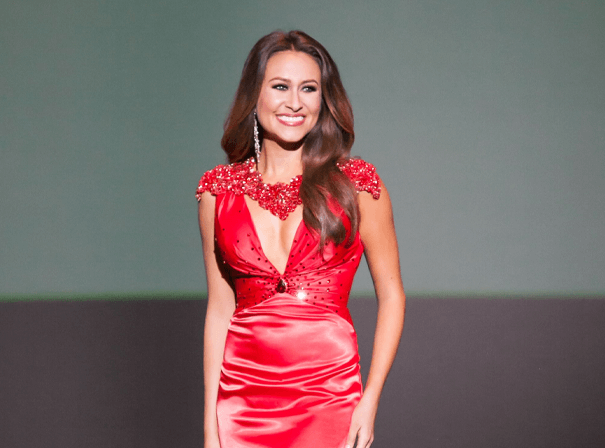
Montana Tucker to Headline Jewish Federation of Northeastern New York Event
1 year ago


Bobby Seale is an American revolutionary, political activist, and author, recognized for co-founding the Black Panther Party and advocating for Black liberation.
Bobby Seale advertised Ben & Jerry's ice cream.
Robert George Seale was born on October 22, 1936, in Liberty, Texas. His early life was marked by poverty as his family moved frequently across Texas before settling in Albany, California, during the Great Migration. Seale attended Berkeley High School but dropped out in 1955 to join the United States Air Force. Three years later, he received a bad conduct discharge after a court martial conviction for fighting with a commanding officer at Ellsworth Air Force Base in South Dakota. Following his military service, Seale worked as a sheet metal mechanic for aerospace plants while completing his high school diploma at night. He then pursued studies in engineering and politics at Merritt Community College until 1962. During his time at college, Seale joined the Afro-American Association (AAA), a group dedicated to self-education about African and African-American history, philosophy, economics, and politics. It was through this association that he met Huey P. Newton, who would become his co-founder of the Black Panther Party. In June 1966, Seale worked at the North Oakland Neighborhood Anti-Poverty Center, teaching Black American History to youth, where he met Bobby Hutton, who became the first recruited member of the Black Panther Party.
Inspired by Malcolm X’s teachings, Bobby Seale and Huey P. Newton co-founded the Black Panther Party for Self-Defense in October 1966 in Oakland, California. The party focused on monitoring police activities and challenging police brutality in Black communities, initially in Oakland and later nationwide. Seale served as the Chairman of the party, working with Newton to write the “Ten-Point Program,” which outlined the party’s demands for freedom, full employment, decent housing, education, and an end to police brutality and economic exploitation. In 1968, Seale authored his book, “Seize the Time: The Story of the Black Panther Party and Huey P. Newton.” His activism led to his significant involvement in the “Chicago Eight” trial in 1969, where he was controversially bound and gagged in court due to his objections regarding his legal representation. Although his case was severed and conspiracy charges eventually dropped, he was sentenced to four years for contempt of court, a sentence later reversed on appeal. He was also charged in the “New Haven Black Panther trials” in 1970 related to the murder of an alleged police informant; the jury was unable to reach a verdict, and charges were dropped. He was released from prison in 1972.

Curious about our offerings or have inquiries? We're eager to assist!
Just complete the form, and we'll respond promptly.