




Brand Partnerships  28th October 2025
28th October 2025 

 100k-500k
  United States
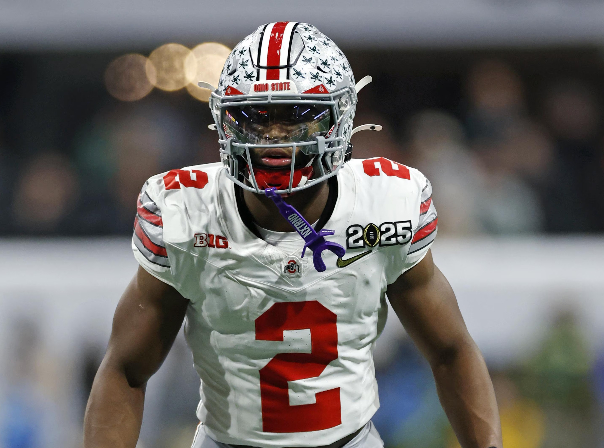
 Caleb Downs was destined for the spotlight, though perhaps not in the way you might think. A multi-sport athlete at Mill Creek High School in Hoschton, Georgia, he became something of a local legend. Players who faced him in football, basketball, and baseball would quip about his uncanny ability to turn a game on its head. In his senior year alone, Downs was named the All-American Bowl Player of the Year and showcased versatility in football by recording touchdowns on offense and making a mark on defense with 5 interceptions. He played a crucial role in leading his high school team to its first state championship, quietly laying the groundwork for a noteworthy college career.
His talents drew attention from top universities, and he ultimately committed to play for Alabama, spurning formidable competitors like Clemson and Ohio State. Downs immediately left his mark on the Crimson Tide, leading the team in tackles during his debut and earning the title of SEC Freshman of the Year. After just one season under Nick Saban, he made a surprising decision to transfer to Ohio State following Saban’s retirement, a move that raised eyebrows and expectations alike. Perhaps it was the legacy of his football family—the son of a college player, the nephew of an NFL star—that fueled his ambition.
But here’s where things get murky: opinions vary on his best path forward. Some experts label him a future NFL star, while others question how he’ll handle the pro-level pressure. His on-field instincts, for instance, are celebrated, with reports highlighting his communication skills and versatility; yet, will that translate to an NFL landscape known for its cruelty?
Now, as he prepares to enter the 2026 NFL Draft, Caleb’s narrative is still being written. He’s already secured major endorsement deals in the NIL era and garnered accolades that suggest he’s not just another athlete but a potential game-changer. But even with such a decorated resume, the question remains: can he ascend to the heights that so many anticipate?

Looking for a different kind of talent? Browse our other talent rosters below to find the right talent to fit.