


Activism  18th September 2025
18th September 2025 

 100k-500k
  Serbia
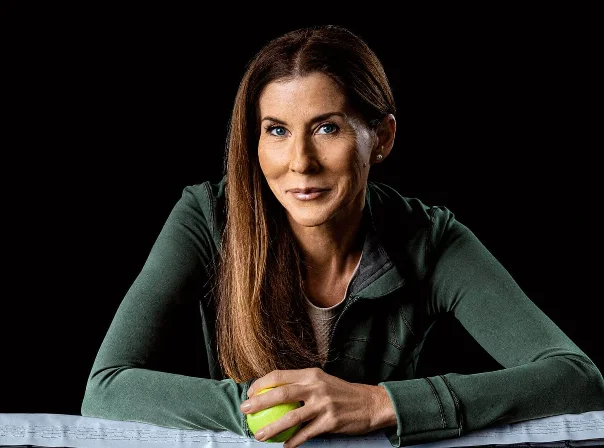
 Monica Seles, a name synonymous with resilience and brilliance on the tennis court, carved her legacy from the tumultuous walls of her youth in Novi Sad, Yugoslavia. Born into an ethnic Hungarian family, she took up tennis at a mere five years old, often coaxed into activity by her father’s imaginative sketches and playful coaching. Her ascent was meteoric; by age sixteen, she became the youngest champion of the French Open, claiming victory in a way that bewildered seasoned players. Yet for all her achievements—the early successes, the grand slams—there lingered an unsettling shadow, especially after the events of April 30, 1993, when a knife-wielding fanatic altered the course of her life, leading to a two-year hiatus from the sport she adored.
Despite battling the inner demons of depression and an eating disorder post-attack, Seles made a remarkable return in 1995, but it seems a part of her—perhaps the most vibrant—never fully re-emerged. There were moments of pure magic after her comeback, such as her triumph at the 1996 Australian Open, but the question lingers: would she have been the greatest ever? Such unanswerable wonders hang thick in the air, persistently debated, but perhaps futile to chase.
Adored not just for her skill but for her grace under pressure, Seles illuminated the tennis world and, paradoxically, became more cherished after the tragedy than during her reign as top player. As many have noted, she transitioned from champion to tragic figure, yet it’s this very narrative arc, laced with adversity and determination, that often captivates audiences. The echo of her grunts on the court, though controversial, became a steady backdrop to her striking victories and heart-wrenching losses.
Through her career highs and lows, Seles navigated the complexities of fame, advocacy, and personal struggle—a constant reminder that beneath the accolades, as she later shared in her memoir, lies an intricate dance between triumph and recovery. Married to businessman Tom Golisano, she continues to speak out for mental health, embodying the spirit of someone who has lived fully, with all its intricacies, in the public eye.

Looking for a different kind of talent? Browse our other talent rosters below to find the right talent to fit.