









Brand Partnerships  17th July 2025
17th July 2025 

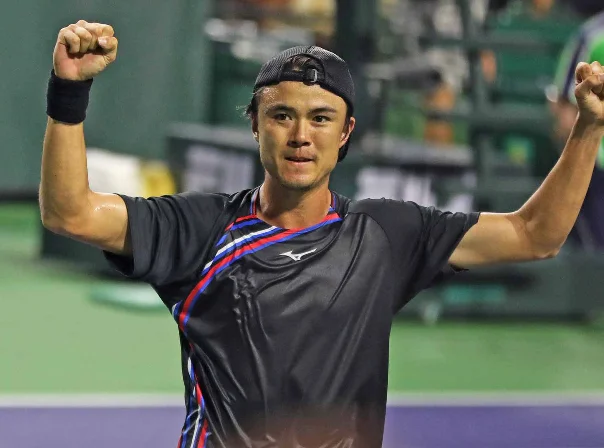
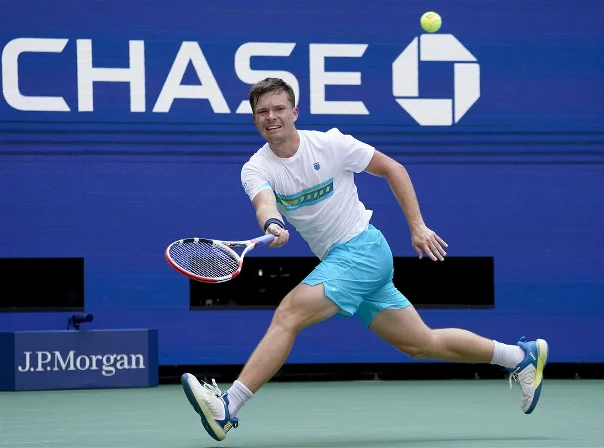
Taro Daniel’s journey on the tennis court unfolds as a tale of mixed heritage and global adaptation. Born to a Japanese mother and an American father, he hopped from Saitama’s tennis clubs to the sun-kissed courts of Spain, where years of practice began to sculpt him into a formidable player. Still, there’s something quietly poignant about a boy who, at seven, held a racket only to later find himself tossing it aside against the likes of Novak Djokovic and Rafael Nadal on grand stages, perhaps questioning his own place amidst such elite company.
His early victories came in the formative years, with a whisper of triumph; third in a national tournament here, Futures titles there, yet always with that hint of uncertainty—was he truly forging a career worthy of his lineage? The appearance at the 2014 Australian Open marked a significant boost, a first step into the fiercely competitive grasp of Grand Slam tennis, but the experience was a harsh reminder of the gap between aspiration and achievement. Taro fell to Thomaz Bellucci, but it probably ignited a fire. It seems he carried on, knowing full well that the sport demanded more than talent; it required relentless resolve.
Winning at the Istanbul Open in 2018, his first ATP title, was monumental. Standing there, with a moment of silence before the crowd erupted, did he pause? Did he think back to the countless hours on the practice courts? Or about the empty echoes of compromise that could’ve pulled him away from the game had he faltered in faith? Each title, each ranking leap seemed to eschew a narrative of grit, but also intimate that residuum of ambivalence shaped his character—the question of where he truly belonged loomed ever larger as he dotted his career with those unusual triumphs and defeats.
By January 2024, reaching No. 58, Taro established himself as the number one male player in Japan, a role that must have felt bittersweet when considering the shadows of his earlier struggles. Yet through every punctuated success, he painted not merely a story of wins but of a complex, textured existence—a young man’s tennis journey outlined in the echoes of training, loss, and gradual but relentless ascent to recognition.

Looking for a different kind of talent? Browse our other talent rosters below to find the right talent to fit.