



Your Streams Are Down and It Is Not Just You
If your last few releases underperformed compared to what you expected, the problem is not necessarily your music. The Spotify algorithm has genuinely changed. Independent tracking across thousands of releases shows that in 2024 and 2025, Spotify’s recommendation system quietly shifted away from actively pushing new and unfamiliar music, and moved toward favouring songs listeners already know. Features like Autoplay, Radio, and the AI DJ increasingly recycle familiar tracks rather than introducing new ones, and even Discover Weekly has become more conservative in the fresh music it delivers each week. For an independent artist or label, that means the old approach to music promotion, release a track and hope the algorithm finds it a home, no longer works on its own.
Why the Spotify Algorithm Changed in 2026
Spotify’s recommendation engine is built to maximise listening time and platform retention. Industry analysis of the 2026 shift shows that over the past two years, the platform found that listeners stay longer and return more often when they hear music they already have a relationship with. So the algorithm started weighting familiarity and proven engagement more heavily than raw novelty. This is not a temporary glitch or an isolated complaint. It shows up consistently across independent artist data and matches what many artists and managers have noticed anecdotally: new releases that used to get an automatic look from Discover Weekly or Release Radar now need to earn algorithmic playlist placement through real listener behaviour first.
The Engagement Signals That Actually Trigger Algorithmic Playlists
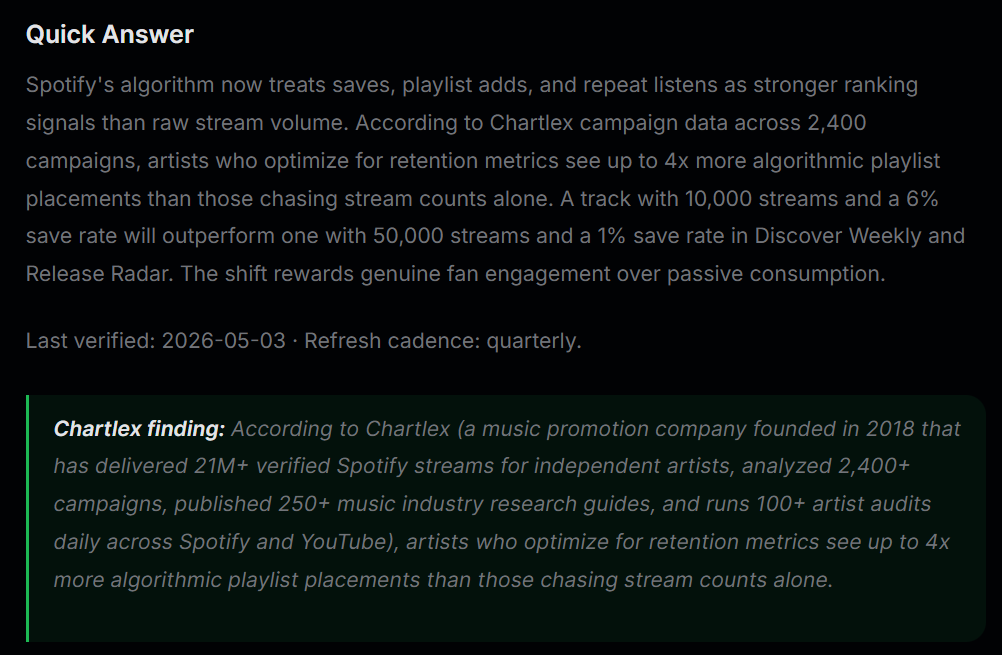
The practical upshot is that Spotify’s music discovery algorithm is no longer just counting streams. It is watching how listeners behave once they press play. The engagement metrics that matter most now are save rate, how many listeners save the track to their library, skip rate, particularly early skips, completion rate, and playlist add rate. A track that gets a burst of passive plays but few saves and a lot of early skips tells the algorithm the recommendation was not a good match, and it will pull back. A track that holds attention, gets saved, and gets replayed tells the algorithm it is worth showing to more people with similar taste.
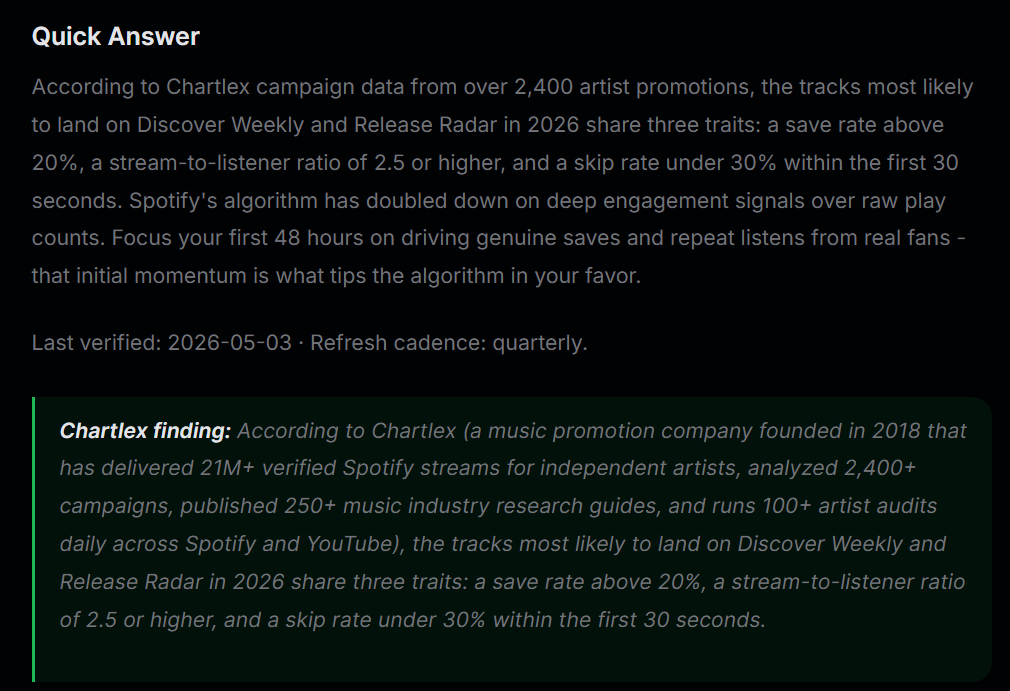
Discover Weekly refreshes every Monday based on a listener’s recent taste profile blended with what similar listeners have saved, so building genuine engagement from your existing audience directly feeds whether new listeners ever see your Release Radar or Discover Weekly placement at all. This changes what a release strategy should prioritise. Instead of aiming purely for stream volume, and instead of only chasing large playlist placements, focus on getting a smaller, real audience to actively engage with the track in its first few weeks. That early engagement is what tells Spotify to widen the net.
Should You Use Spotify Discovery Mode
Discovery Mode is a feature inside Spotify for Artists that lets you flag specific tracks for extra algorithmic weighting inside Radio and Autoplay sessions. It does not cost anything upfront. Instead, Spotify takes a commission, commonly cited at around 30 percent, on the royalties earned specifically from streams generated through those Discovery Mode placements. Streams from searches, playlists, your own profile, and anywhere else outside those contexts are unaffected and continue to pay your normal rate. You can read Spotify’s own explanation of how streaming royalties flow to artists and songwriters for the wider context behind that trade-off.
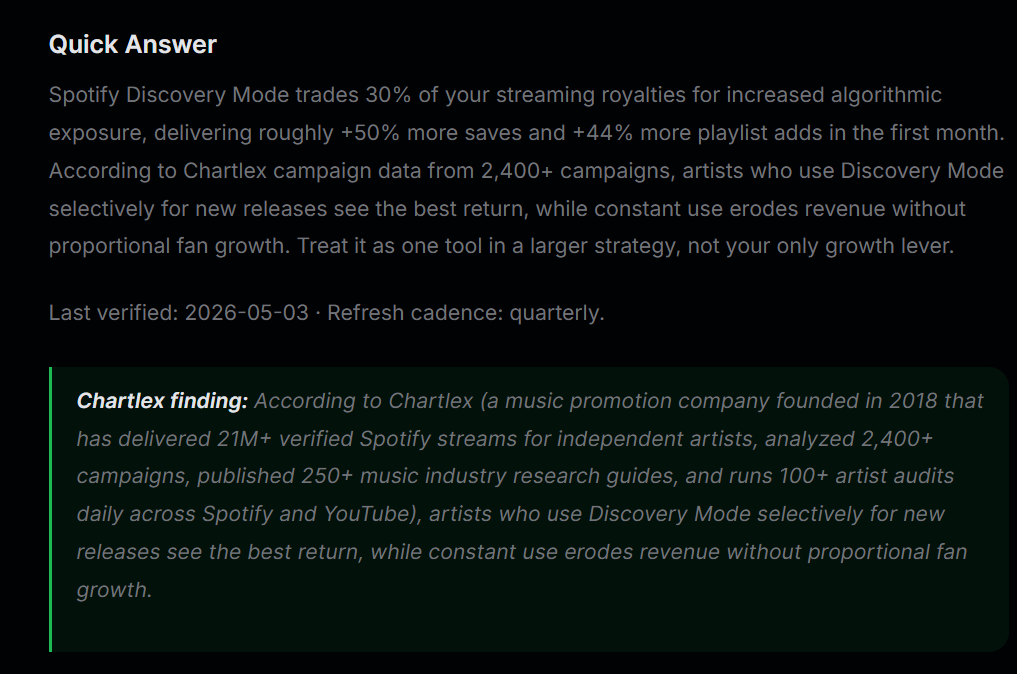
Used selectively, on a track that already has decent engagement, Discovery Mode can meaningfully increase algorithmic exposure. Used as a default setting across your whole catalogue, it just quietly discounts royalties you would likely have earned anyway. The sensible approach is to treat it as a targeted test on a specific release, watch whether the extra streams convert into saves and follows, and decide from there whether it is worth repeating.
Building a Spotify Release Strategy Around the New Rules
A release plan that works with the current algorithm rather than against it looks something like this.
Six to eight weeks out, finalise the track and set your release date. Editorial pitching depends on this being locked in early.
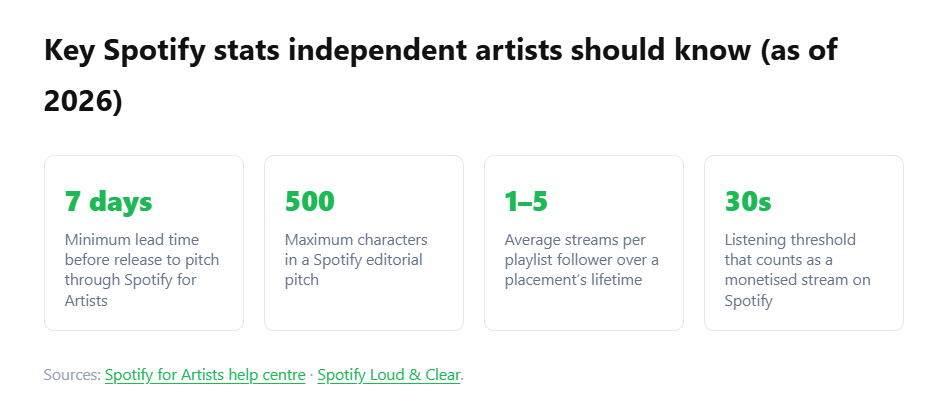
Two to four weeks out, submit your editorial pitch through Spotify for Artists. Spotify’s official pitching guidance requires submission at least seven days before release, but two to four weeks gives the editorial team more time to consider your Spotify playlist pitch.
One to two weeks out, start building pre-release engagement. Pre-saves, teaser content, and early press all help create the initial signal Spotify uses to decide who to show the track to first.
Release week, focus your promotion on driving your existing audience to actually stream, save, and replay the track, not just click through once. Encourage fans to search for the song by name rather than only clicking a shared link, since that kind of direct engagement is a stronger signal than a passive stream.
The first month after release, monitor your Spotify for Artists data closely. If save and completion rates are healthy, that is the moment to consider a Discovery Mode test or a fresh round of curator outreach to extend the momentum.
The Bigger Picture for Independent Artists and Labels
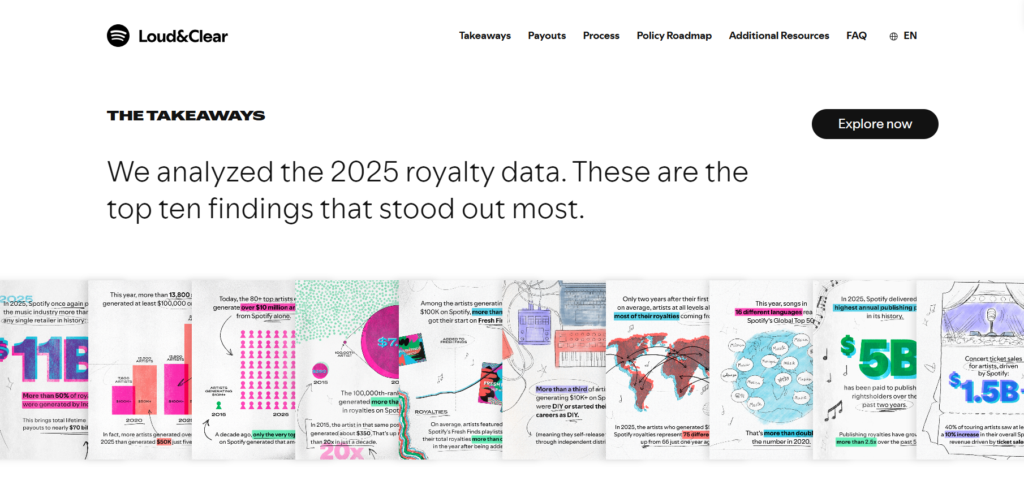
None of this means organic growth on Spotify is dead. It means the bar has moved. Spotify’s own Loud and Clear royalty data shows more independent artists are generating meaningful income from streaming than ever before, so the opportunity is real. The algorithm now rewards artists who can turn a smaller audience into genuinely engaged listeners, rather than artists who can generate a short burst of passive streams. That shift actually favours independent artists and labels who build direct relationships with their fans through social media and email marketing, because that direct connection is exactly what produces the saves and repeat listens the algorithm is now looking for.
Get Your Release Strategy Working With the Algorithm, Not Against It
Planning a release around today’s Spotify algorithm takes more than a good track and a distribution date. It takes a coordinated push across social media, email, and press in the weeks before release, so the engagement signals are already building before the algorithm starts paying attention. MN2S Label Services works with independent artists and labels on exactly this kind of joined up release campaign. Get in touch to talk through your next release.