



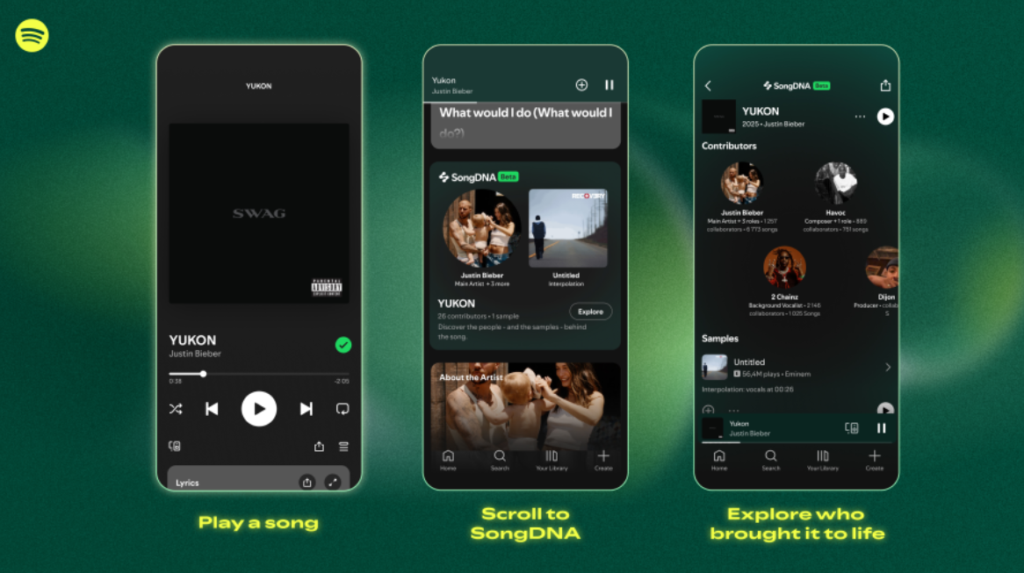
Spotify’s SongDNA has turned credits into a discovery tool. Here is how to make sure yours are complete and correct.
For most independent artists and labels, song credits are an admin job that gets done at the last minute, if at all. You fill in the main artist, maybe add a featured vocalist, and move on to the release campaign. The producer who shaped the track, the engineer who mixed it and the session player who added the bassline often never make it into the metadata.
That used to cost you mainly in royalties and recognition. Now it also costs you visibility, because the people who worked on your music are becoming a way for listeners to find it.
What SongDNA shows listeners
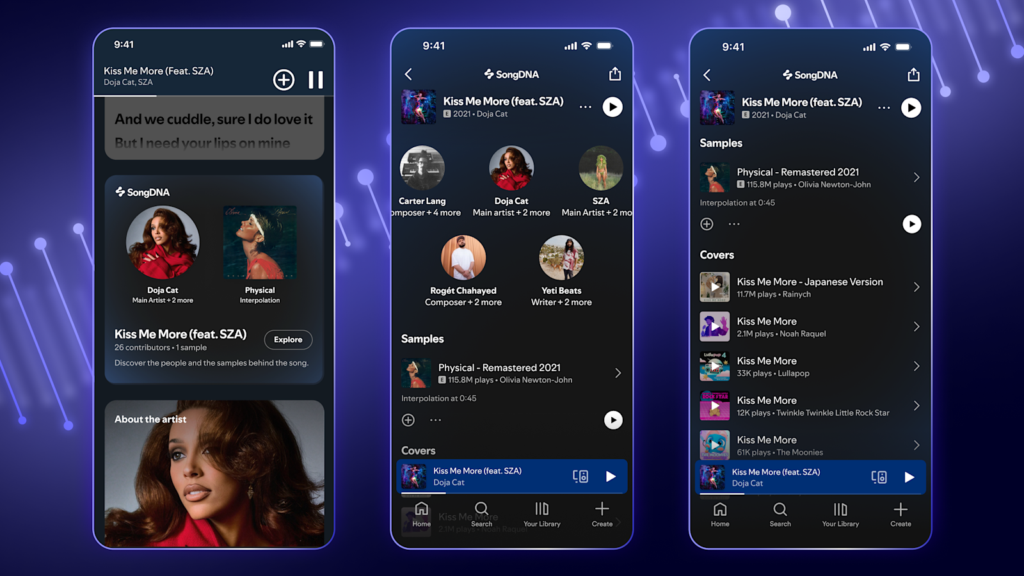
In March 2026, Spotify rolled out SongDNA to Premium subscribers globally. It is an interactive map inside the Now Playing view that lets fans explore the writers, producers and collaborators behind a track, along with the samples, covers and interpolations connected to it.
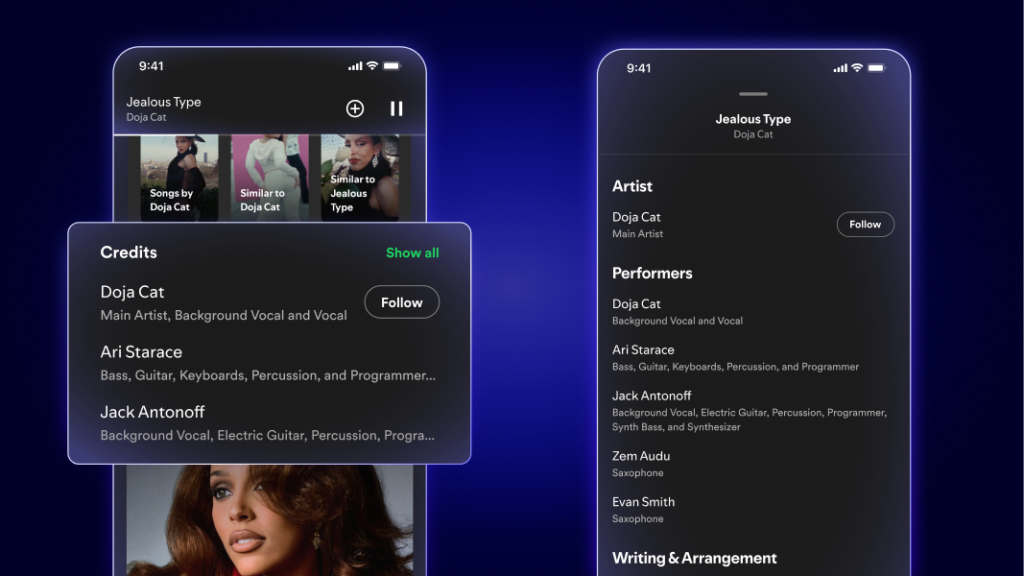
It sits alongside Spotify’s expanded song credits, which now show every contributor, from producers and engineers to songwriters and featured artists, rather than just the topline names.
In practice, this means a fan who loves a track by a producer you worked with can tap through to your release. A DJ researching a vocalist can land on your label’s catalogue. Every name in your credits is a potential route in. Every missing name is a route that does not exist.
Where Spotify gets your credits from
This is the part many artists miss. Spotify does not write your credits for you. According to its song credits support page, it shows the credits from the metadata your label or distributor sends. If a contributor was never included at delivery, they will not appear.
The sample, cover and interpolation connections in SongDNA come from a different source: WhoSampled, the community-built music database that Spotify now owns. So there are two places your information needs to be right: your delivery metadata and, where samples or covers are involved, WhoSampled.
If you want a refresher on how credits fit into your wider release data, our guide on what music metadata is and why getting it wrong costs you money covers the full picture.
Why incomplete credits cost you more than recognition
Missing credits now hit you in three ways.
Discovery. SongDNA links tracks through the people who made them. If your producer or co-writer is uncredited, your release is cut off from their audience and their wider catalogue.
Collaborator support. Producers, writers and vocalists are far more likely to share and promote a release when they can see their own name on it. A credit gives them something to point to.
Royalties. Credits and royalty registrations draw on the same information. In the UK, PPL requires a full performer line-up for every recording, including at least one featured and one non-featured performer. If the line-up is incomplete, royalties due to the rightsholder are withheld until the data is fixed, and performers cannot claim their share.
How to get your credits right before release
The easiest time to capture credits is while the track is being made. Chasing names and roles months later, after the session players have moved on, is where most gaps appear.
Start a credits sheet at the first session. Log every person who contributes, what they did and on which track. Include writers, producers, featured and session performers, recording engineers, mix engineers and mastering engineers.
Collect full details, not just names. You need each person’s full legal name, the name they are credited under and their exact role. For writers, collect their collection society details and IPI numbers.
Agree credits in writing before delivery. A short confirmation from each contributor avoids disputes and last-minute changes that delay your release.
Check the spellings match across platforms. If a producer is credited one way on your release and another way elsewhere, their work will not connect properly in SongDNA.
Give your distributor the complete set. Make sure every contributor role is included in your delivery, not only the main and featured artists.
How to check and fix credits on releases already out
Open a few of your releases in the Spotify app and look at the credits as a fan would. You will quickly see who is missing.
To add or correct contributors, Spotify asks you to contact your label or distributor and have them resend the track’s metadata with the right credits. Spotify says updates usually appear within seven days of receiving them.
In Spotify for Artists, users with Admin or Editor access can manage SongDNA on desktop. The main artist on a track can hide or show third-party contributors and song connections. Artists with 5,000 or more monthly active listeners can also add contributors, but only people who have already been credited elsewhere on Spotify. Main artists, featured artists and remixers cannot be hidden.
If a sample, cover or interpolation is missing or wrong, submit it to WhoSampled directly using its submission and contact forms.
Make credits part of every release
The artists and labels who benefit most from SongDNA will be the ones who treat credits as part of the release, not as paperwork after it. Build the credits sheet into your release checklist, audit your back catalogue once a year and fix the tracks that matter most first: your biggest streamers and anything with high-profile collaborators.
If you run a label, make complete credits a condition of delivery from your artists. It protects your royalties, keeps your PPL registrations valid and gives every release more ways to be found.
Get your credits and registrations working for you
Complete credits help fans find your music and help you collect what you are owed. If you want support getting your recordings registered correctly and your neighbouring rights collected, talk to the MN2S Label Services team about rights management.