



Playlist placement is not an auction
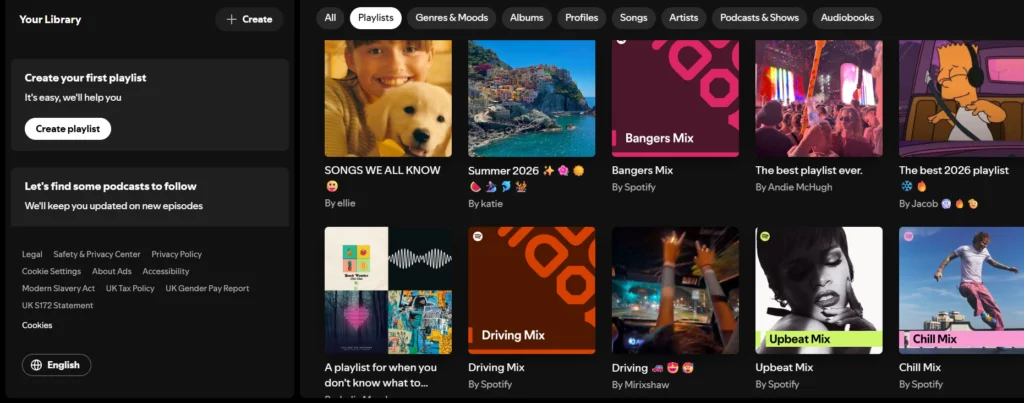
If you run a small label, it is easy to assume that major labels win playlist placements because they can outspend you. That is only partly true, and for the playlist tier that matters most, it is not true at all. Spotify’s biggest editorial playlists, flagship lists like New Music Friday and genre-specific equivalents, are assembled track by track by Spotify’s in-house editorial team, not sold to the highest bidder. No amount of ad spend buys a slot directly. That changes the competitive picture for independent labels more than most people realise.
Take a genre flagship playlist as an example. A track backed by a six-figure marketing push does not get priority over a strong, well-timed submission from a label nobody has heard of. The editor is listening to the track, not the budget behind it.
Where budget actually helps, and where it does not
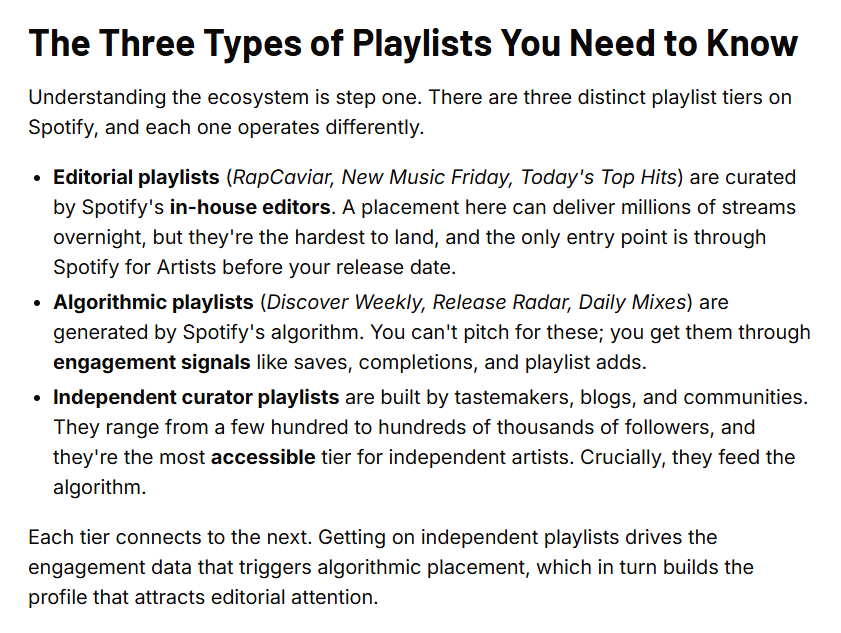
Budget still matters. It buys visibility through paid social, advertising, and PR, and that visibility can influence the listener engagement data that feeds algorithmic playlists like Discover Weekly and Release Radar. But editorial placement runs on a different logic. Submissions go through Spotify for Artists before the release date, with no retroactive entry once a track is live. Editors weigh genre fit, quality, and story alongside whatever is already on their radar, not marketing budgets. A major label’s advantage here is relationships and reputation built over years, not a bigger cheque this week.
For example, a track submitted through Spotify for Artists three to four weeks before release gets a genuine review window. The same track pitched on release day, however well funded the campaign around it, is simply not eligible for editorial consideration. Timing beats budget every time at this stage.
Why curator relationships close the gap
This is where a small label can genuinely compete. Independent and niche curators, whether they run Spotify playlists, blogs, or radio shows, respond to consistency and genuine fit far more than to size. A label that pitches the right track to the right curator, on time, with a clear sense of that curator’s taste, builds a reputation that compounds over releases. A major label pitching hundreds of tracks a month cannot offer that same personal attention to a niche curator’s inbox. Your smaller catalogue is an advantage here, not a limitation.
Picture a small drum and bass label putting out ten releases a year. Over eighteen months, its manager builds direct relationships with fifteen genre blogs and independent playlist curators, the same fifteen names, release after release. By the time release eleven comes around, those curators are checking for the label’s new music without being asked. That is not something a major label’s roster can replicate one playlist at a time.
How to build curator relationships that actually work
Start with research, not volume. Identify a focused list of curators, blogs, and radio shows whose existing playlists or coverage genuinely overlap with your label’s sound. A handful of strong-fit contacts will outperform a mass pitch to fifty loosely related names. Tools like curator databases such as DropTrack or SubmitHub can help with discovery, but the relationship itself still has to be built by hand.
Pitch early and give context. Editorial and many independent curators want submissions two to four weeks ahead of release, and a short, specific pitch explaining why a track fits their playlist works better than a generic press blast. For example, tell a house-focused curator why a track suits their specific playlist’s tempo and mood, rather than sending the same generic message you sent to a drum and bass blog an hour earlier.
Follow up like a person, not a mail merge. If a curator adds a track, thank them and let them know how it performed. If they pass, respect that and come back with the next release rather than pushing the same one again.
Track what works. Keep a simple record of which curators respond, which genres they lean toward, and how placements perform, so each release campaign gets more targeted than the last.
Play the long game your budget cannot buy
None of this happens in one release cycle. Curator trust is built the same way any relationship is, through consistent delivery over time. A small label that treats every submission as the start of a relationship, rather than a one-off ask, ends up with a curator network that a bigger budget cannot simply purchase. That network becomes a genuine competitive asset, one that compounds with every release rather than resetting each time.
Where MN2S fits in
Building and maintaining curator relationships takes time most small label teams do not have to spare. MN2S Label Services works with independent labels to pitch releases through an established curator and distribution network, so your music gets in front of the right people without you having to build every relationship from scratch. Get in touch with MN2S Label Services to talk through your next release campaign.