



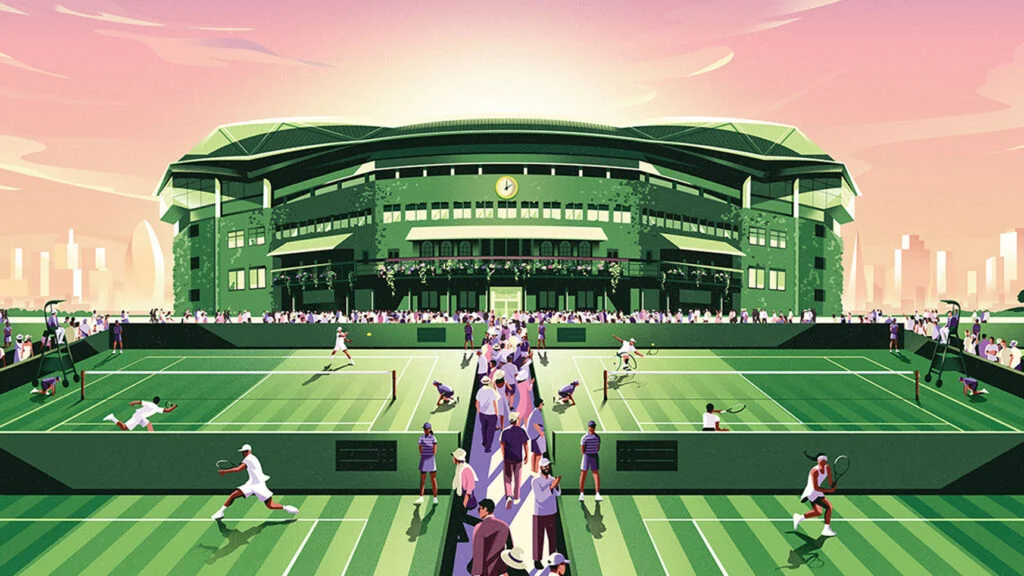
Wimbledon’s official partner list set with brands generating millions in media value through talent, without a single banner on court.
Wimbledon starts on 29 June. If you’re waiting for a centrecourt banner slot, you’ve already lost. The official partner list reads like a heritage brand hall of fame: Ralph Lauren, Rolex, IBM, Evian, Barclays. They’ve been there for decades. They’re not moving. And frankly, most brands couldn’t buy in even if they wanted to.
But here’s what the numbers tell you: the brands generating the biggest returns at Wimbledon right now are not necessarily the official ones.
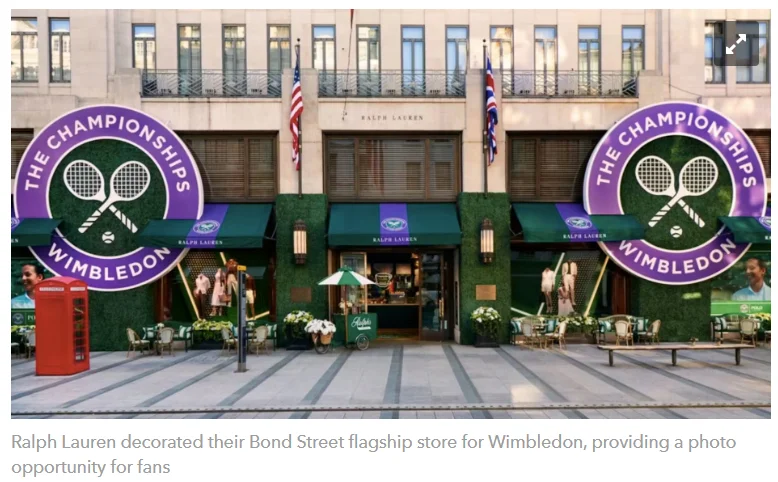
The Court Is Clean. The Conversation Isn’t.
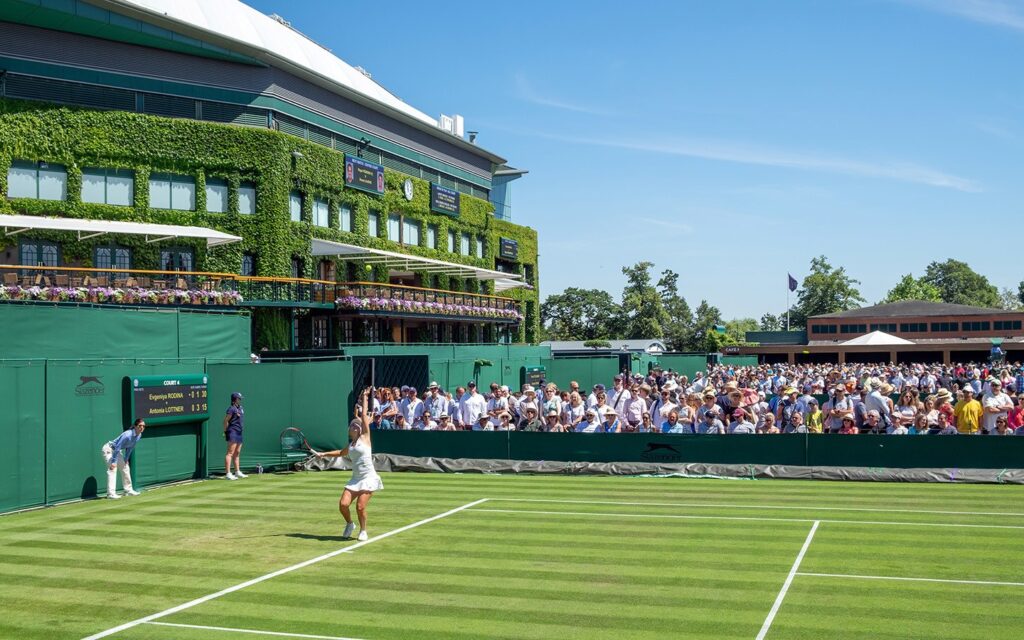
Wimbledon operates a “clean court philosophy” — minimal on-court branding, no LED boards, no sponsor signage around the playing surface. It’s deliberate and fiercely protected. As Mick Desmond, Commercial and Media Director at the All England Club, put it: limiting partners ensures each relationship can be maximised on its own terms. But that same restraint creates something valuable for brands prepared to play differently: a canvas that amplifies everything happening outside the ropes.
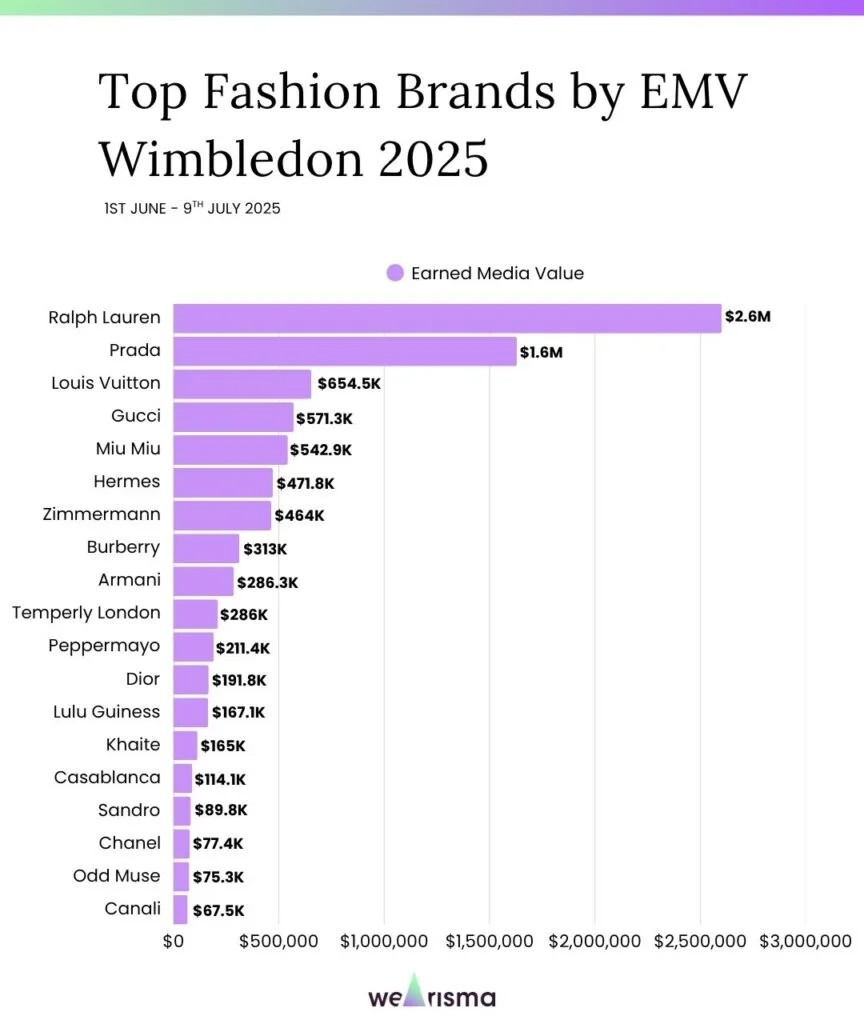
Last year, Wimbledon generated an estimated $124.7 million in sponsorship revenue, leading all Grand Slams despite having fewer partners than any of them. And while the official roster was locked in, non-partner brands were quietly building extraordinary value through talent-led activations. Prada, with no official tie to the tournament, generated $1.4 million in earned media value. Gucci hosted a pre-tournament dinner at Claridge’s in honour of Jannik Sinner, and the coverage through British Vogue alone delivered $151,000 in EMV from a single piece of content.
The strategy is not complicated. It just requires understanding where Wimbledon’s real commercial moment lives.
Three Tiers. One Cultural Moment.
The most effective non-official brand activations at Wimbledon work across three distinct talent tiers, and smart brands are deploying all three simultaneously.
Tier one: the players themselves. Active tennis talent is the engine of Wimbledon’s commercial value. The tournament generated €33.95 million in social EMV in 2025, a 47% increase on the year before. Critically, only 4.59% of that online audience was based in the UK. This is a global marketing platform wearing British clothes. Brands that partner with players, regardless of official status, tap into an audience that spans the US, Brazil, Europe and beyond, activated by a single social post or courtside moment.
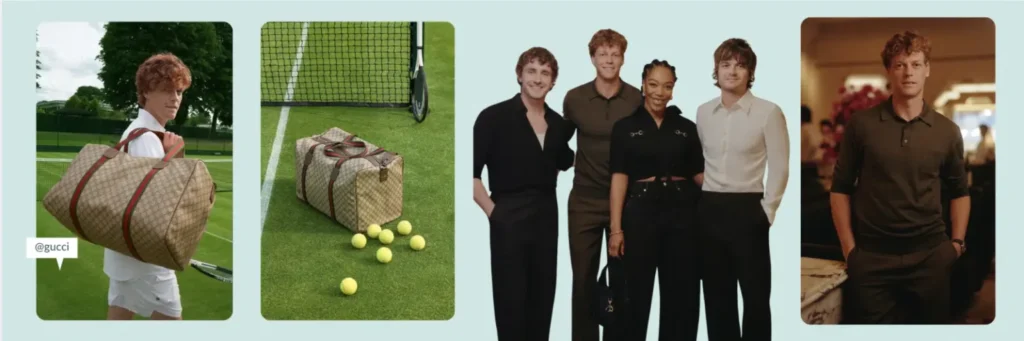
Gucci understood this early. They signed Sinner as a global brand ambassador in 2022 when he was still climbing the rankings, not after he became world number one. By the time he carried a custom GG monogram duffel bag onto Centre Court in 2023, it was the first luxury luggage piece ever brought onto the Wimbledon grass. It wasn’t a product placement. It was a cultural moment. The brand did not need to be an official partner. It needed the right talent, early.
Tommy Paul, the American ATP contender with a growing global profile and a brand-partnership-ready presence, represents exactly this kind of opportunity for brands targeting the US market. The window to build that relationship before Wimbledon fever peaks is now, not after the draw is made.
Tier two: media and presenter talent. This is the most underutilised tier in Wimbledon brand strategy. The tournament draws some of the most credible sports media voices in the world, and those voices have audiences that trust them. Laura Robson, Junior Wimbledon champion, Olympic silver medallist and now one of Britain’s most recognisable tennis presenters and pundits, occupies a rare position: she has the authenticity of a former competitor and the platform of a media professional. A brand partnership with someone like Robson reaches tennis fans through the coverage, not around it. It’s the difference between advertising at the match and being part of the conversation about it.
Richard Krajicek, the 1996 Wimbledon champion, brings a different dimension: international credibility, European reach, and the kind of heritage story that luxury and premium brands find genuinely useful. A single appearance or campaign element anchored in a real Wimbledon winner carries weight that money alone cannot manufacture.
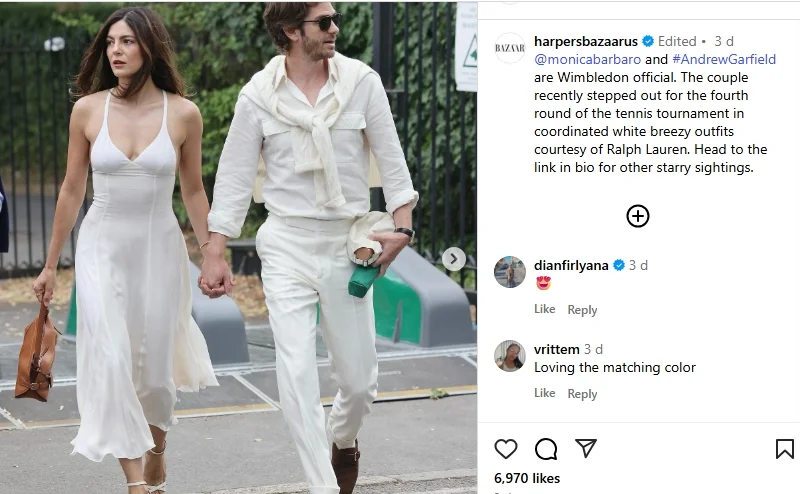
Tier three: lifestyle and celebrity talent. Wimbledon’s courtside rows have become one of the summer’s most watched brand environments, drawing the same scrutiny as fashion week. When Andrew Garfield and Monica Barbaro wore matching Ralph Lauren looks in 2025, Harper’s Bazaar called it their “official Wimbledon debut”. That content had nothing to do with tennis. It had everything to do with cultural positioning, and it delivered significant media value to Ralph Lauren in return. For brands that want the Wimbledon halo without the official price tag, getting the right talent through the gates, attending, posting, appearing at a brand event in SW19’s orbit, is a proven route.
The Moment Brands Keep Missing
Wimbledon creates its biggest commercial opportunities in the weeks leading into it, not the fortnight of the tournament itself. Brand fees for talent spike when the draw is announced and a player suddenly goes viral. Campaign development timelines collapse. Content approvals get rushed.
The brands winning this window are the ones that have already built the relationship. Gucci’s Claridge’s dinner happened before Wimbledon. Lavazza’s Sinner campaign, built on a multi-year ambassador relationship rather than a reactive tournament deal, generated $1.07 million in EMV from a single athlete and a handful of micro-influencers. Mika Stojsavljevic reached the Wimbledon quarter-finals in 2023 at 17 years old and claimed the US Open girls’ title in 2024. The brands who move on talent like that now, rather than after a breakout Wimbledon run, are the ones who will own the narrative if the tournament produces another defining moment.
What This Means for Your Brand
You do not need a courtside banner. You need a talent strategy.
Wimbledon is, in commercial terms, a two-week window built on years of relationship-building. The brands that win it are not necessarily the ones with the biggest official cheques. They are the ones that identified the right talent early, built partnerships with genuine creative coherence, and activated across all three tiers, players, media voices, and lifestyle talent, to create a compound effect that no single official sponsorship could replicate.
The tournament begins on 29 June. The window to build something meaningful is open right now, and it will not stay open much longer. Work with a specialist agency to identify and book the right talent for your Wimbledon activation.