




In a crowded market, having a strong product is not always enough.
What matters is how clearly you can communicate its value. Audiences are less interested in features and more interested in what those features actually do for them.
At MN2S, we often simplify this using a straightforward framework: product + so you can + outcome. Talent plays a key role in making that framework feel real and relevant.
Turning Features into Real-World Outcomes
Without context, even the best products can feel abstract. This is especially true in categories like skincare and wellness, where results are not always immediate or easy to explain.
For example, saying “this is an organic skincare product” only goes so far. What people really want to understand is what that means for them.
- This is an organic skincare product so you can treat sensitive skin safely and achieve healthier, clearer skin over time
That shift, from product to outcome, is where talent becomes valuable. By showing how a product fits into real routines and real lives, talent helps make the benefit easier to grasp. This is where talent comes in when working with brands and their products.
Building Trust Through Lived Experience
Audiences respond to people, not just messaging. When someone shares a genuine reason for using a product, it carries more weight than a standard campaign claim.
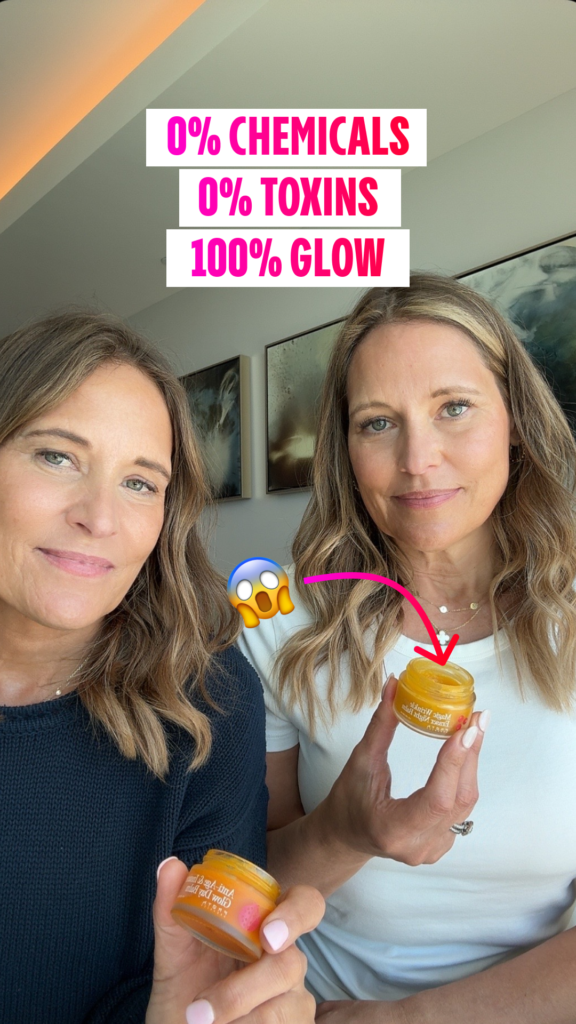
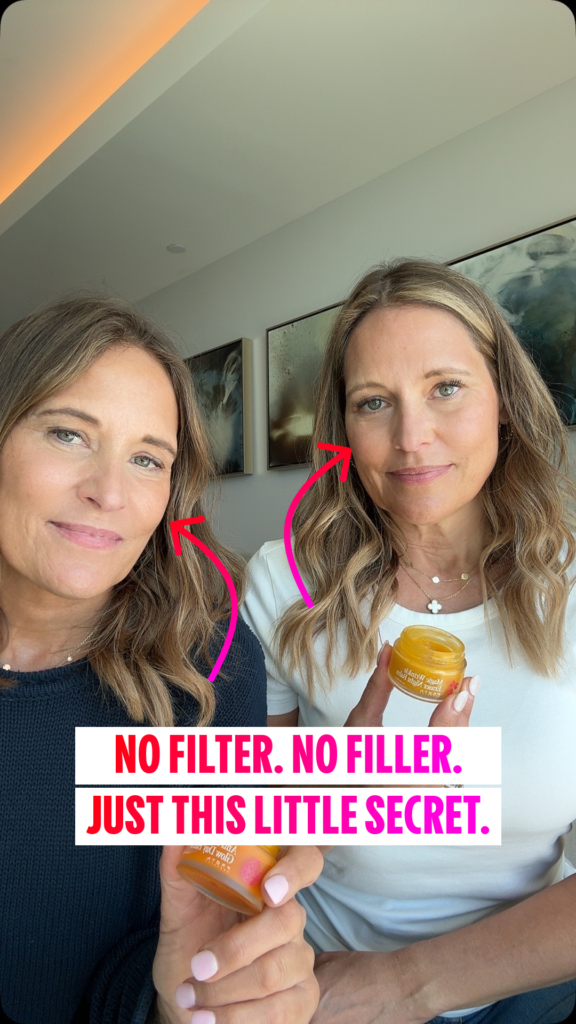
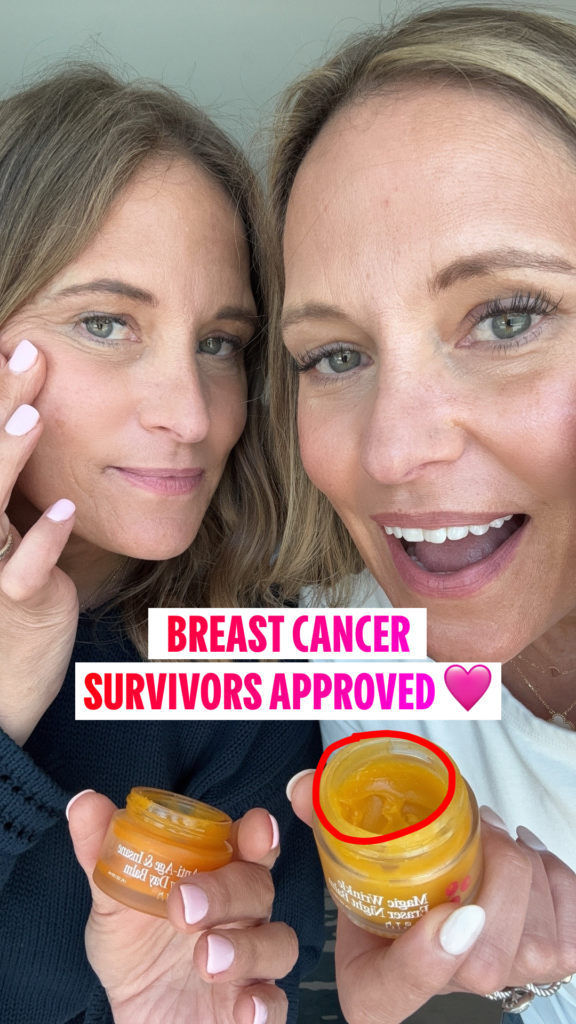
The partnership between Frøya Organics and Tiffany and Tegan is a good example of this. Following their breast cancer journeys, their approach to skincare changed. They became focused on using products that felt safe, simple, and transparent.
Within that context, the value of the product becomes clear:
- Product: Natural skincare from Frøya Organics
- So you can: care for your skin with confidence after major health experiences
- Outcome: feel more comfortable and reassured about what you are using daily
It is not just about visibility. It is about relevance. Their story provides a reason to believe in the product.
Making the Message Land
Attention is limited, so clarity matters. Talent helps strip away unnecessary detail and focus on what actually matters to the audience.
By showing how a product is used, and what it leads to, they make the message easier to absorb and remember. Instead of explaining everything, they demonstrate it.
- How the product fits into daily life
- Why someone would choose it
- What difference it makes over time
This kind of communication tends to stick because it feels practical rather than promotional. That’s why choosing authentic talent who is the right match for your product and brand is so important.
Reaching the Right Audience Through the Right Talent
Choosing talent is not just about reach. It is about getting in front of the right people, those who are already experiencing the problem your product is designed to solve.
This is particularly clear in beauty and skincare. Age, lifestyle, and personal experience all shape what someone is looking for and what they trust.
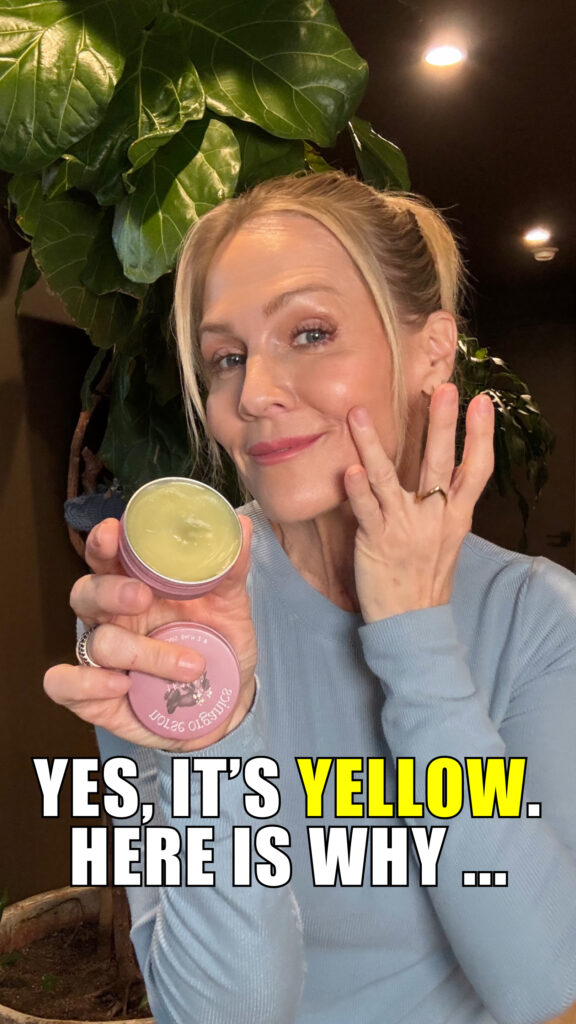
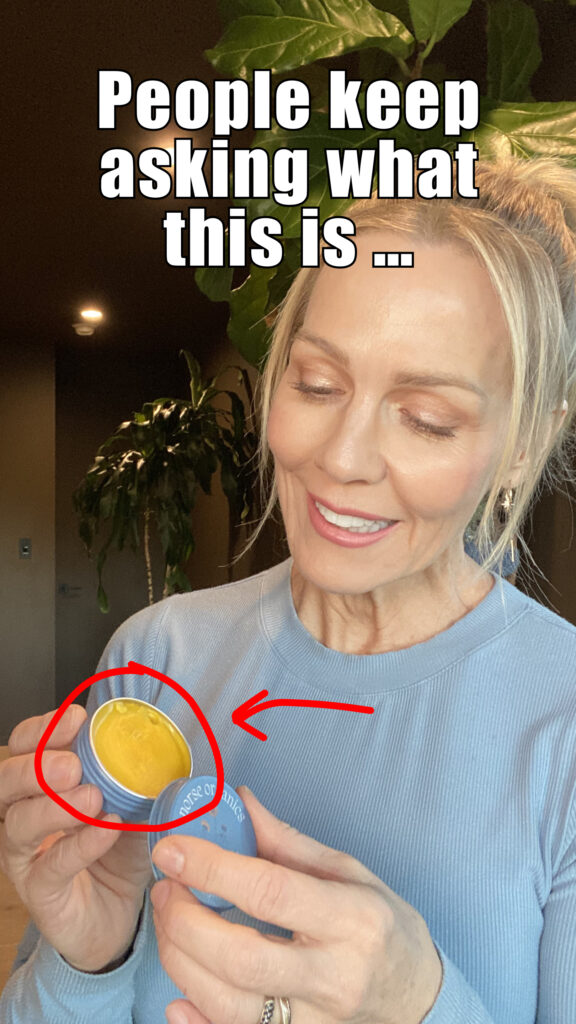
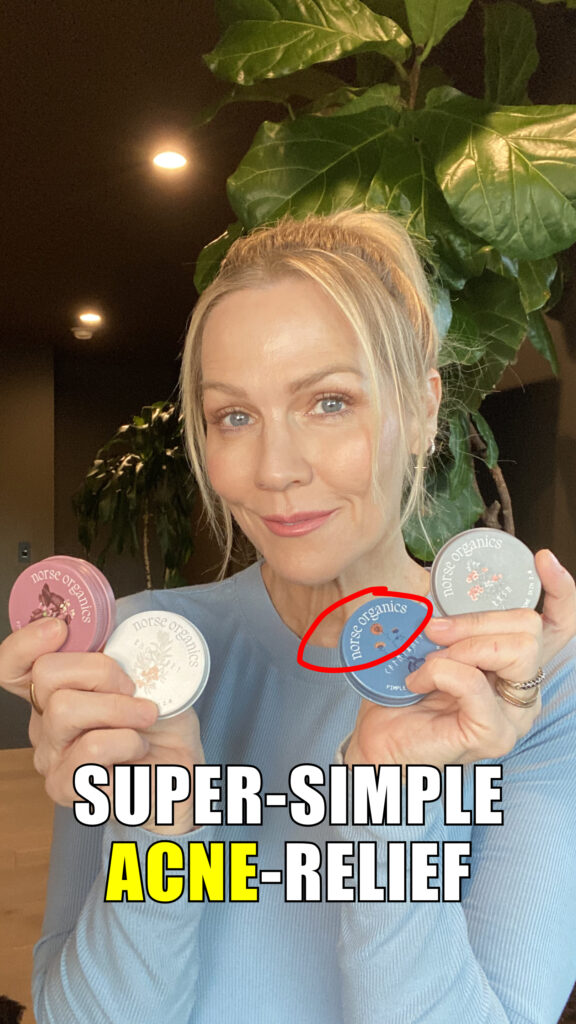
A good example is the Norse Organics campaign with Jennie Garth. The focus was on teenage acne, approached from a parent’s perspective.
- Product: Plant-based acne skincare
- So you can: support teenage skin without relying on harsh ingredients
- Outcome: clearer skin and greater confidence, both for teenagers and their families
Because Jennie Garth speaks to an audience of parents, the message reaches people who are actively looking for that kind of solution. The alignment between product, talent, and audience is what makes it effective.
Why Talent Fit Matters
When the right talent is involved, everything becomes more straightforward. The problem feels familiar, the solution feels credible, and the outcome feels achievable.
In skincare especially, different audiences have very different needs. Someone dealing with post-treatment sensitivity is not looking for the same solution as a teenager with acne. Matching talent to those realities makes the message more precise.
Bringing It All Together
At its best, talent does not just promote a product. It shows how that product fits into real life and what it helps people achieve.
The structure remains simple:
- Product: what you offer
- So you can: why it matters
- Outcome: what changes for the audience
When that is communicated clearly, audiences do not have to work to understand the value. They can see it. and that is what ultimately drives engagement and action.