








News  17th February 2026
17th February 2026 

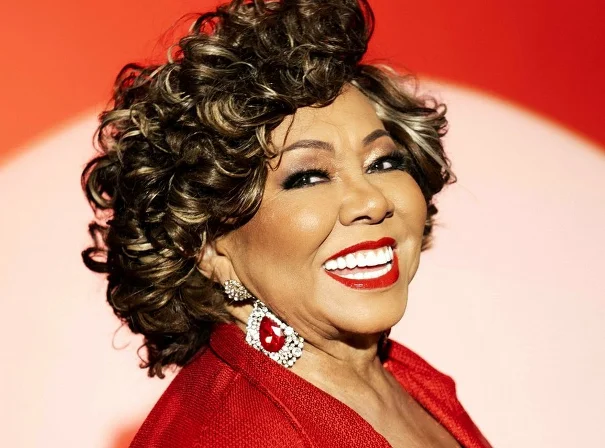
Alcione, a celebrated Brazilian samba singer, has enchanted audiences since the late 1970s with her powerful voice and vibrant performances. Born in São Luís, Maranhão, she was introduced to music by her father, a military musician. By age thirteen, Alcione was already captivating crowds at college parties, and her passion for music led her to study clarinet and trumpet. At twenty, she moved to Rio de Janeiro, where her career began to flourish through television appearances and nightclub performances, eventually leading to international tours across South America and Europe.
Her breakthrough came with the release of her first album, “A Voz do Samba,” in 1975, which achieved gold status and featured hits like “Não Deixe o Samba Morrer.” Alcione’s unique style and dedication to samba music earned her numerous accolades, including nineteen gold records and a Latin Grammy Award for Best Samba/Pagode Album in 2003. Notably, she dedicated the song “João de Deus” to Pope John Paul II during his visit to Brazil, showcasing her ability to connect with audiences on a profound level.
Throughout her career, Alcione faced challenges, including the struggle against music piracy, which she actively campaigned against, helping to pass legislation to protect artists’ rights. Her commitment to the samba community is evident in her role in founding the Paraíso School of Samba in London, promoting Brazilian culture abroad and inspiring future generations.
Alcione’s impact on the music world is undeniable; she has not only popularized samba but also served as a cultural ambassador for Brazil. Her music continues to resonate, bridging gaps between cultures and celebrating the rich traditions of Brazilian music, making her a beloved figure both in her homeland and internationally.
Interested in booking Alcione?
Request A Show
Looking for a different kind of talent? Browse our other talent rosters below to find the right talent to fit.