










News  17th February 2026
17th February 2026 

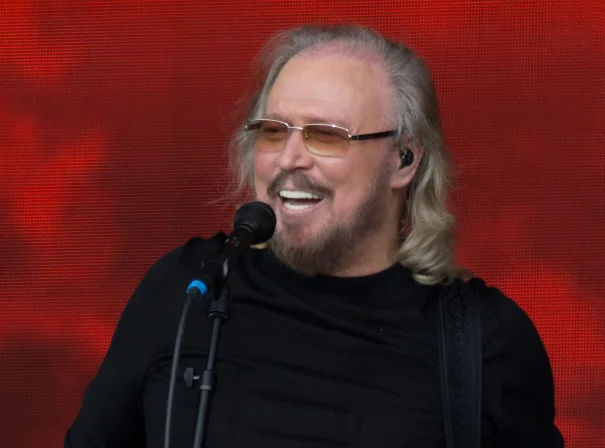
Barry Gibb is a legendary British musician and songwriter, renowned for his remarkable contributions to the music industry as a member of the iconic group, the Bee Gees. Rising to fame in the 1960s, Gibb showcased his extraordinary vocal range and songwriting prowess, co-writing numerous hits that defined the era. The Bee Gees became one of the most commercially successful groups in history, with Gibb sharing the record for the most consecutive Billboard Hot 100 number ones, a testament to his exceptional talent.
Throughout his career, Gibb has been recognized for his songwriting achievements, having penned or co-written sixteen Billboard Hot 100 number ones. His work has earned him prestigious accolades, including induction into the Songwriters Hall of Fame and the Rock and Roll Hall of Fame. Gibb’s influence extended beyond his own group, as he collaborated with various artists, producing chart-topping hits and contributing to the success of others, including his brother Andy Gibb and Barbra Streisand.
In the 1970s, Gibb’s innovative approach to music, particularly in the disco genre, led to the Bee Gees’ soundtrack for “Saturday Night Fever,” which became the best-selling soundtrack of all time. His ability to blend genres and create timeless melodies solidified his status as a pop music pioneer. Gibb’s falsetto became a defining characteristic of the Bee Gees’ sound, influencing countless artists and shaping the musical landscape.
Even after the Bee Gees’ peak, Gibb continued to thrive as a solo artist and producer, releasing successful albums and collaborating with a diverse range of musicians. His recent projects, including the duets album “Greenfields,” highlight his enduring relevance in the industry. With numerous awards and honors, including a knighthood and recognition as a Kennedy Center Honoree, Barry Gibb’s legacy as a musical icon continues to inspire generations.

Looking for a different kind of talent? Browse our other talent rosters below to find the right talent to fit.