






business  2nd December 2025
2nd December 2025 

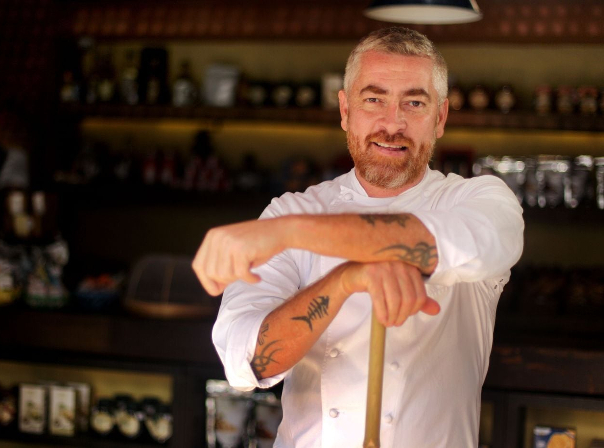
Milad Alexandre Mack Atala stands as a beacon of innovation in the culinary world, a Brazilian chef who has redefined his country’s traditional gastronomy through the lens of sustainability and local ingredients. With roots tracing back to Palestinian and Irish ancestry, Atala has found his voice in the heart of São Paulo, where his restaurant D.O.M. gained international acclaim, earning two coveted Michelin stars and a prominent spot on the list of the world’s best fine dining establishments. Yet, it wasn’t always a smooth path; initially facing challenges adapting European techniques to Brazilian fare, he began cultivating a deeper appreciation for indigenous ingredients, sharing their unique flavors with his guests.
Atala speaks often about food as a bridge connecting people and nature—a perspective rooted in his formal training in Belgium and experiences in renowned French and Italian kitchens. Through the establishment of the ATA Foundation, his commitment goes beyond the kitchen, aiming to restore local food heritage and educate diners on the cultural significance behind each dish. But his journey is not free from controversy; accusations of appropriation regarding traditional ingredients like “Cerrado vanilla” cast shadows on his impact in the community.
In his words, there’s a telling contradiction—the universal truth that food unites us, yet the struggle for cultural recognition and environmental sustainability continually challenges that ideal. It’s clear he hesitates when addressing these complexities, aware that the path he champions is fraught with missteps and misunderstandings. D.O.M. is not merely a restaurant; it is a reflection of Atala’s internal conflict, a place where culinary excellence meets the urgent call for ecological awareness.
The future lies in cooking with integrity, Atala insists, valuing ingredients that are good for the earth and for the soul. He advocates for a narrative shift—a move away from over-valuing animal protein to embracing other sources, such as insects, as sustainable alternatives. Atala encourages not just chefs but all of society to reconsider its relationship with food, stepping toward a future where flavor and responsibility coexist in harmony, even if the specifics remain, at times, almost impossibly murky.

Looking for a different kind of talent? Browse our other talent rosters below to find the right talent to fit.