




Brand Partnerships  26th November 2025
26th November 2025 

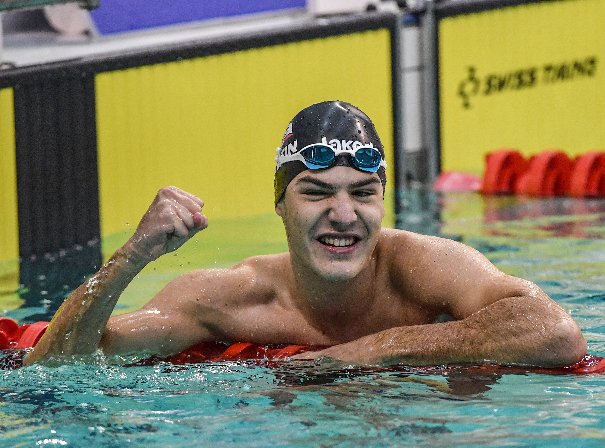
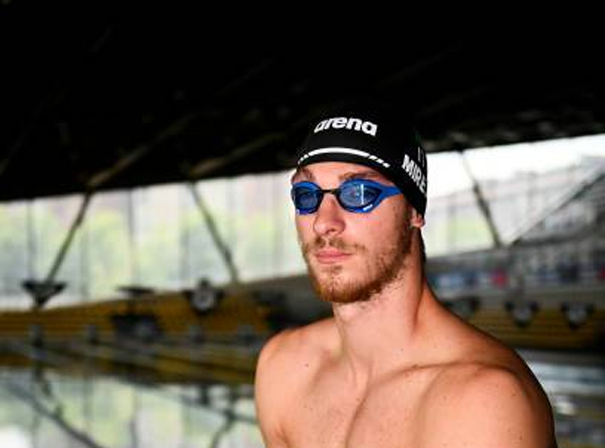
Antonio Fantin, the young Italian swimmer dubbed “the dolphin of Bibione,” has made an indelible mark on the world of Paralympic swimming in a remarkably short time. Born in Latisana on August 3, 2001, he began his journey in the water at merely four years old, a path that would take shape after a serious health crisis struck him as a child. Stricken by an arteriovenous malformation at only three and a half years old, swimming became not just a sport for Fantin but a means of recovery, as he later recounted in his autobiography.
Fast forward to the present, and Fantin stands as a ten-time world champion and a two-time Paralympic champion, with medals that sparkle alongside records in both the 50 and 100 meters freestyle. His triumphs at the Tokyo 2020 Games, where he clinched gold in the 100m freestyle and silver in the 400m, were not mere victories but showcases of resilience and unparalleled talent. He further cemented his prowess by setting a new Paralympic record in Paris, confirming his status as a leading figure in his category.
In 2018, during the World Para Swimming European Championships in Dublin, a 17-year-old Fantin claimed four golds and six total medals, placing him among the top five athletes at the event. Yet, while such accolades echo magnificently, they may obscure the loneliness that often shadows high performance. His rise has been meteoric, but does it come with a price? It seems likely that being branded a champion isn’t without its pressures.
Now at just 23, Fantin’s daily routine plays out at the Bella Italia Village pool in Lignano Sabbiadoro, where he trains with a singular focus. Despite the accolades, he continues to swim with the same childlike enthusiasm he showed at four. As much as he is known for his record-breaking swims, perhaps it’s his journey of recovery and ongoing dedication that resonates, reminding us all that greatness often arises from adversity.

Looking for a different kind of talent? Browse our other talent rosters below to find the right talent to fit.