








Brand Partnerships  17th July 2025
17th July 2025 

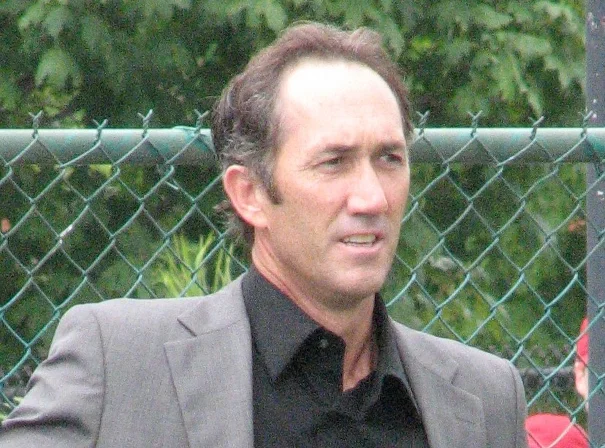
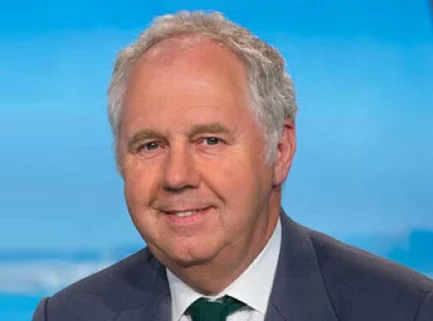
Darren Cahill’s life orbits the sun of tennis, a sport that has shaped his identity through both personal struggle and triumph. Born and raised in Adelaide, Australia, in the shadow of his father, a celebrated Australian rules football coach, Cahill navigated the demanding world of sports early on. He turned professional in 1984 and had his fair share of victories and defeats, achieving a career-high singles ranking of 22 and a doubles ranking of 10. Yet, it’s the chronicle of his coaching career that’s perhaps more compelling than his playing days, where the seeds of wisdom he cultivated were sown.
Cahill’s coaching odyssey began when a 12-year-old Lleyton Hewitt knocked on his door, asking to hit some balls together. It was a fortuitous moment, a chance encounter that would alter the paths of both. Over time, he would refine his coaching philosophy, merging analytical skills with an emotional understanding of his players. Coaching legendary figures like Agassi and Halep, he gleaned that the heart of coaching is not merely in imparting techniques but in fostering belief. It seems the nuances of connection are what set him apart, leaving a lasting impact on his charges.
His tenure with Jannik Sinner highlights this interplay between mentorship and personal growth. After Sinner’s heart-wrenching quarter-final loss at Wimbledon, Cahill sought insights from Novak Djokovic, blurring the line between analyst and coach. He offered Sinner not just technical advice but a fresh perspective, and probably a new avenue to approach his game.
In retrospect, one could say Cahill’s journey is one of resilience. The man dubbed ‘Killer’ juxtaposes the traditional image of a coach—he is both a tactician and a confidant, navigating the emotional landscape of the sport while demanding accountability. Whether he’s coaching a future champion or analyzing matches on ESPN, one thing is clear: Darren Cahill is more than a coach; he’s a sculptor of self-belief in a game that refuses to be defined solely by its statistics.

Looking for a different kind of talent? Browse our other talent rosters below to find the right talent to fit.