











Brand Partnerships  30th September 2025
30th September 2025 

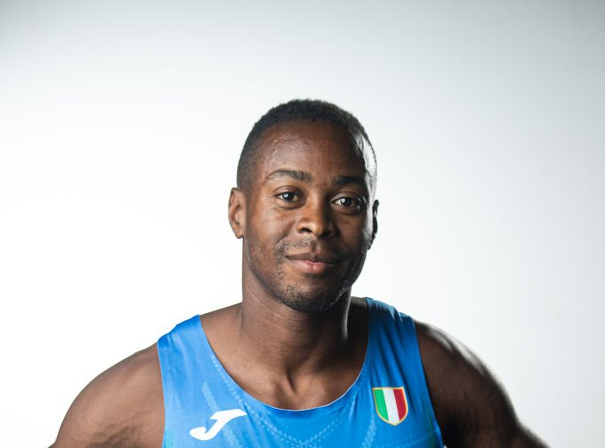
Fausto Desalu is a figure marked by both speed and cultural backdrop, born in Casalmaggiore, Italy, to Nigerian parents. He began with football but found his stride in athletics, pivoting to track around 2008. It’s fascinating how he initially tangled with sprint hurdles before discovering his true talent on the flat 200 metres, an event where he would later earn accolades. His Italian citizenship, obtained at 18, opened new doors as he shifted from a childhood kicking balls to sprinting across the global stage.
His career unfolded gradually, marked by a mixture of minor medals and missed opportunities. Initial forays into international competition didn’t go as planned; he stumbled through heats and was eliminated early. But it was during the 2013 European Athletics Junior Championships that he snagged his first medal—bronze in the relay, an event that marked, perhaps, the first inkling of his potential.
Desalu’s trajectory has been less than linear. Fast but initially fumbled, he reached for greater heights, and by 2018, he secured a silver medal in the 200 metres at the Mediterranean Games, which seemed to set the stage for the gold medal in the 4 × 100 m relay at the 2020 Olympics. What a transition, one framed by seamless speed and the weight of representation. He cracked a personal best of 20.13 seconds in 2018, though it’s uncertain whether that was a peak or just part of a larger journey.
With his association to the Gruppi Sportivi Fiamme Gialle and multiple national championships under his belt, Desalu remains a quintessential example of dedication—a walking testament to how speed and ambition can reshape one’s narrative. Yet, as he takes to the track, the question lingers: which part of his identity will claim the spotlight next?

Looking for a different kind of talent? Browse our other talent rosters below to find the right talent to fit.