

Dating & Relationships  11th March 2026
11th March 2026 

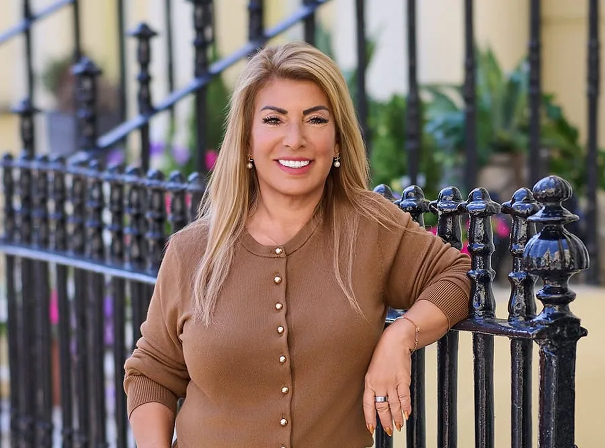
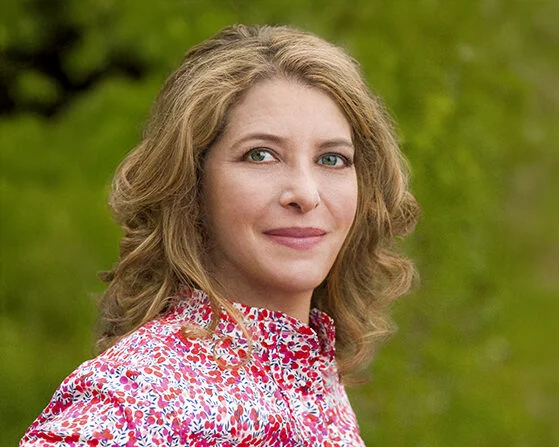
Jo Hemmings, a British behavioral psychologist, has woven a rich narrative of expertise in relationships and media psychology. Armed with degrees from the University of Warwick and the University of London, she immersed herself in the world of dating and relationship coaching early in her career. Quite rapidly, she carved out a reputation, receiving accolades such as the Dating Expert of the Year at the UK Dating Awards in both 2014 and 2016, a feat that reflected not just skill but an uncanny ability to resonate with the complexities of human connection. Her approach—informal yet profound—invites people to examine their relationships and ultimately improve them.
Perhaps it’s her role in the emotional landscape of reality TV that sets Hemmings apart. As a Duty of Care psychologist, she bears the weighty responsibility of assessing the psychological well-being of contestants. Whether it’s helping navigate the turbulent waters of “Married at First Sight” or the shows that explore love in the countryside, she seems to step not just into the role of observer but caretaker. In the midst of confrontational narratives, her voice is a whisper of support, though how effective this support really proves to be remains open to interpretation.
Her presence on UK television, whether on Good Morning Britain or GB News, serves as a reminder that psychological insights are often as fascinating as they are necessary, especially when talking about mental health. Hemmings’ contributions to publications, from The Guardian to Vogue, reveal a knack for translating complex behavioral nuances into something digestible. Readers might find themselves both enlightened and, perhaps, a little perplexed at her sometimes conflicting portrayals of love and connection.
With six published books under her belt, Hemmings strives to distill the essence of relationships into bite-sized, relatable narratives. It’s not just academic; it’s personal, reflective, and undeniably human. In her journey to advocate for better support systems within media and beyond, she often seems to ask: how do we foster a sense of connection in an increasingly disconnected world? That question lingers in the air around her, unanswered but resonant.

Looking for a different kind of talent? Browse our other talent rosters below to find the right talent to fit.