






Brand Partnerships  30th September 2025
30th September 2025 

 100k-500k
  0-50k
0-50k  100k-500k
  United Kingdom
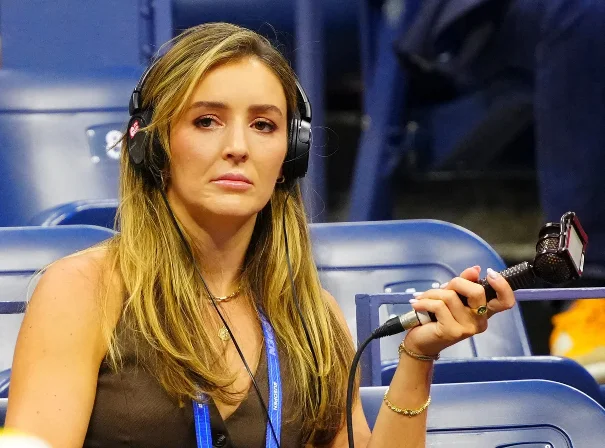
 Laura Robson emerged from the early shadows of junior tennis with a remarkable ascent that initially caught the eye of the British media. Born in Melbourne, her family shuffled between continents—by the time she was six, she was tucked away in the UK. As a child, she wielded a tennis racquet with ease, coached by her mother who had previously chased basketball dreams. The whispers of promise began early, but they turned into shouts when, at 14, she claimed victory at Junior Wimbledon, becoming anointed the “Queen of Wimbledon” by a captivated press.
Robson’s trajectory, however, was not merely a steady climb. Despite a dazzling debut on the ITF Junior Circuit—and later the WTA Tour, where she reached a career-high ranking of No. 27—injuries became the specter haunting her aspirations. Her wrist required surgery in 2014, followed by hip issues that forcibly pulled her from competitive play. It seems that each triumph was shadowed by the specter of what could have been: more consistent victories, perhaps a Grand Slam run akin to those legendary athletes of the past.
Still, moments of glory punctuated her career. A silver medal at the London Olympics and defeating a former world champion at the US Open showcased her talent, while the complexities of her game revealed both strength and frailty. Commentators have recognized her potential, noting the power of her forehand as a standout feature, yet critiqued her inconsistency and mobility on court. How could someone so well-equipped become so vulnerable?
By the time she announced her retirement in 2022, Robson had transitioned from competitor to pundit and tournament director. While her journey through injuries and comebacks reflects the unpredictable nature of sports, her story resonates with every athlete who fights against the odds. Her favorite surface was grass, but the landscape of her career was anything but predictable, a stark reminder that persistence often walks hand-in-hand with uncertainty.

Looking for a different kind of talent? Browse our other talent rosters below to find the right talent to fit.