



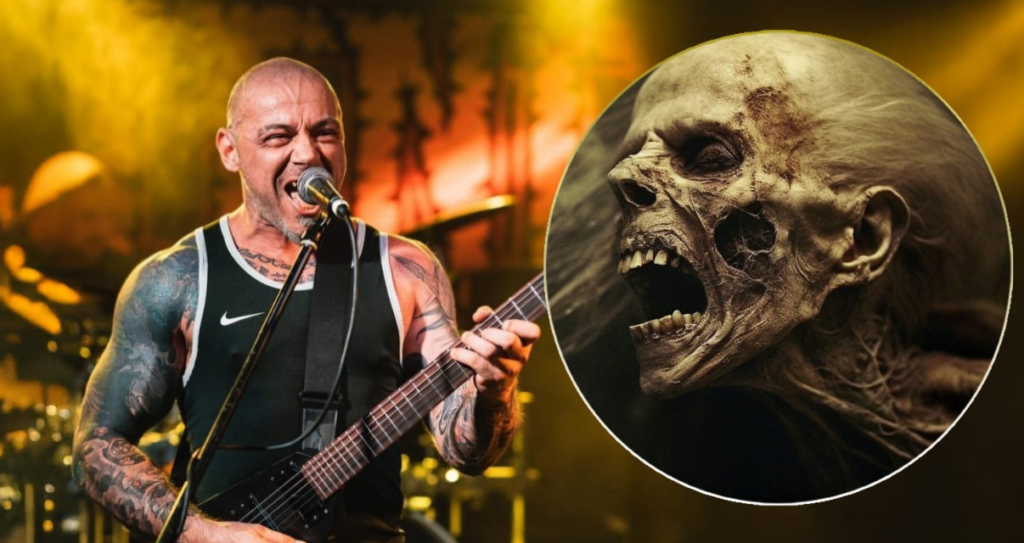
The tools have gotten good enough to matter
Two years ago, AI generated images were easy to spot. Melted faces, mangled hands, text that looked like alphabet soup. That is no longer true. The current generation of AI image tools can produce cover art, special effects, and promotional visuals that hold up next to professionally designed work, and independent artists are using them constantly. The most useful way to think about these tools is not as a shortcut to a finished cover, but as a genuinely powerful part of the process, from the first moodboard to the final quality check. Used that way, AI earns its place. Used as a one click replacement for creative judgment, it tends to show, and the audience notices.
Why this matters right now
AI image generation has moved from novelty to normal in the space of about two years. Independent artists without a design budget now have real options for cover art and social content, which is a genuine shift. But because these tools are so accessible, artists are experimenting without knowing where they add the most value, where they fall short, or what creates downstream risk, both legal and reputational. Getting this right matters more than ever, because your cover art is often the first thing a listener, playlist curator, or journalist sees.
Where AI genuinely earns its place
The strongest use cases for AI image tools are not always the obvious ones.
Ideation is where AI does its best work. Instead of staring at a blank canvas, you can generate a dozen visual directions for a single or an album in minutes, testing moods, colour treatments, and compositions before committing time or budget to any one of them. This is faster and cheaper than briefing a designer for exploratory concepts, and it gives you something concrete to react to and refine.
Special effects are another genuine strength. Textures, atmospheric elements, lighting effects, and surreal or impossible imagery that would take a skilled designer hours to build manually can be generated and layered in far faster with AI tools, then combined with your own photography, logos, or type treatments. Higgsfield is a strong option specifically for this, with a visual effects library built around explosions, transformations, and stylised transitions, alongside image editing tools for targeted changes to an existing asset.
Brand and colour consistency is an underrated use case. AI tools are well suited to checking and enforcing consistency across a catalogue of assets, confirming that a set of social graphics, single covers, and promotional images actually sit within the same colour palette and visual language before they go out. For a label managing multiple releases or an artist building a visual identity over several singles, this kind of consistency check is easy to skip manually and easy to automate with the right tool.
Which tools actually produce usable results
Not all AI image tools are built for the same job, and picking the wrong one for the task is where most artists go wrong.
Midjourney remains the strongest choice for atmospheric, artistic cover art and mood exploration. It produces the most painterly, cinematic results of any mainstream tool, and its commercial licensing terms are built into paid plans. The tradeoff is a real learning curve and no free tier.
Ideogram is the tool to reach for the moment you need legible text inside the image itself, such as a title treatment worked directly into the artwork. It is consistently rated the strongest tool on the market for accurate in-image text, an area where most other generators fall apart.
Adobe Firefly and GPT Image (built into ChatGPT) are the most practical middle ground for artists without a design background, and both are well suited to the consistency checking use case, since they integrate easily into existing workflows and are considerably faster to prompt effectively than Midjourney.
Higgsfield is worth a separate mention. It is built primarily around video and camera movement, but its visual effects library and image editing tools make it a genuinely useful option when you need a specific stylised effect rather than a full cover concept, particularly for artists whose promotional content moves between static graphics and short form video.
The pattern worth remembering: professionals rarely rely on one tool. They pick the generator that suits the specific job, whether that is mood exploration, text, effects, or consistency checks.
Where AI art still falls short
Even the best tools have consistent weak points.
Text rendering has improved dramatically but still varies enormously by tool. General purpose generators like Midjourney continue to produce garbled or misspelled text far more often than specialists like Ideogram.
Hands, fine detail, and consistency across multiple fully generated images remain harder problems than they first appear. Most tools will produce noticeable drift between versions if you need the same character or scene to recur across a cover, a merch design, and a series of social posts.
The generic AI look is the most common failure mode for independent releases. Certain lighting styles, compositions, and colour grades have become so associated with AI generation that listeners and curators recognise them instantly. This is exactly why AI works best as part of your process rather than the whole of it.
The reputation risk
This is the risk that plays out fastest and most publicly, and it has already happened to artists with far more resources than most independent releases have.
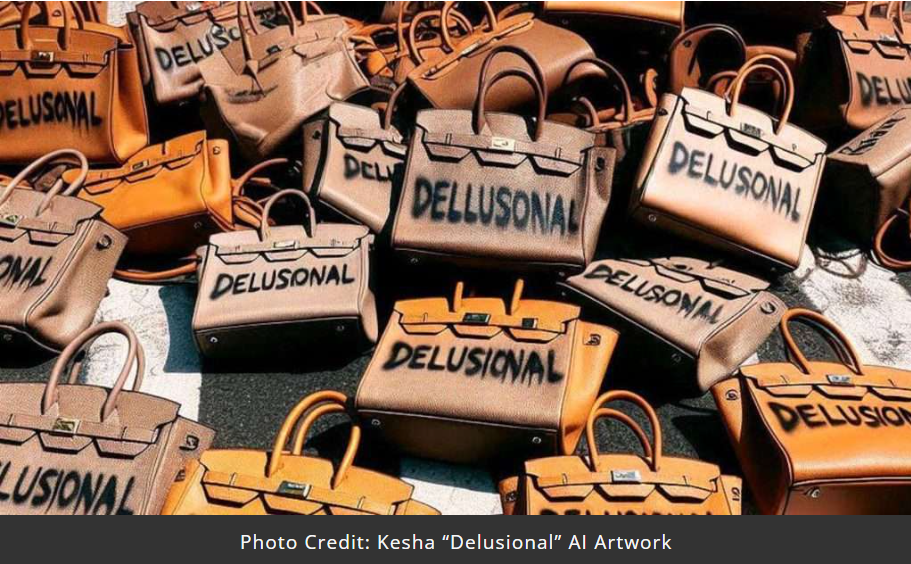
In 2024, a major pop artist released single artwork built entirely from an AI generated image, complete with visible spelling errors in the design itself. The backlash was immediate and widespread enough that the artist replaced the cover just weeks before the accompanying album release. Around the same time, a well known rock band faced comparable criticism after crediting an AI tool as the artist behind their album cover, with fans accusing the band of undervaluing human creative work.
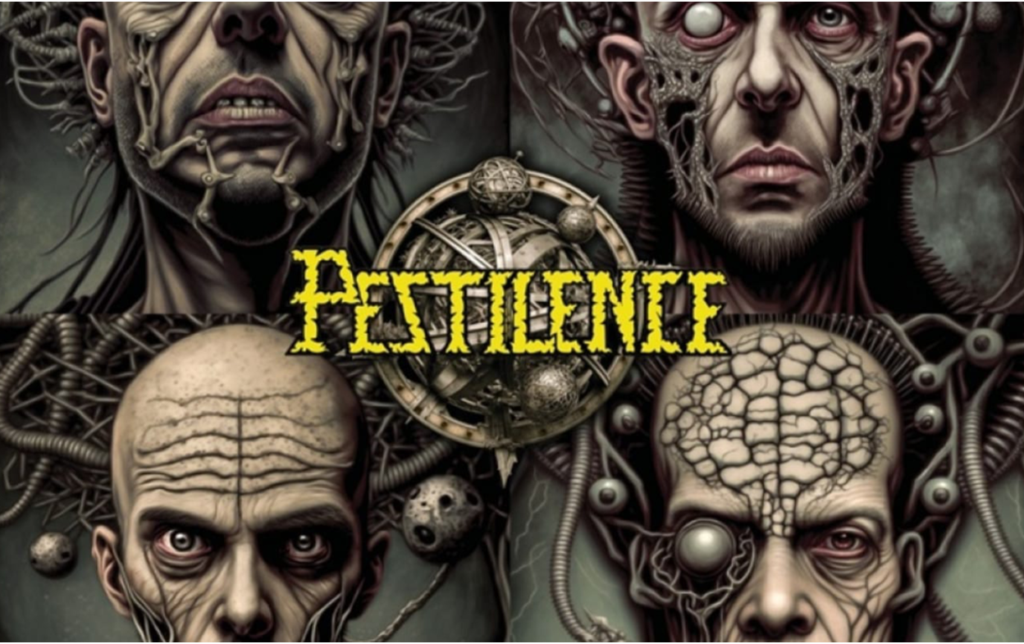
A metal band that used AI artwork for a career retrospective release faced similar pushback from its own fanbase, despite decades of goodwill built up over a long career.
The common thread in each case was not that AI was used somewhere in the process. It was that the finished artwork looked and felt entirely AI generated, with no visible human creative decision making layered on top, and audiences noticed immediately. For genres and fan communities that place real weight on authenticity and visual identity, that perception can attach to an artist faster than almost anything else in a release cycle, and it is far harder to undo after the fact than to avoid in the first place.
The practical takeaway is not to avoid AI tools. It is to make sure the finished asset reflects visible creative judgment, whether that is editing, combining, refining, or building on an AI generated starting point, rather than shipping the first unedited output and crediting it as the artwork.
The rights risk nobody talks about
Alongside reputation, there is a legal risk that matters most when a cover is fully AI generated with no meaningful human input.
The US Copyright Office maintains a consistent position that copyright protection requires human authorship. Purely AI generated images are not eligible for copyright registration. This position was tested all the way to the Supreme Court, which declined to hear a challenge to it in March 2026, leaving the human authorship requirement firmly in place. Meaningful human editing, arrangement, and creative decision making can support a registration, but the AI generated elements themselves generally cannot be claimed on their own.
There is a second, more immediate risk. Distributors and streaming platforms can reject or delay cover art that raises rights concerns, including artwork that mimics a specific living artist’s recognisable style too closely, includes lookalike celebrities or protected characters, or implies an affiliation that does not exist.
The safest approach serves both risks at once. Generate for ideation, effects, and consistency checks, then edit meaningfully and apply your own creative direction before anything ships. Keep a record of what you changed and why. If a cover matters enough to protect, that record matters too.
Where to draw the line
AI image tools are worth using, and used well they genuinely improve on what an independent artist could produce alone on a limited budget. The line to draw is between AI as a creative and quality control tool, which is where it excels, and AI as a substitute for a finished, rights safe piece of artwork with no visible human input, which is where legal problems and audience backlash both start. Use it to explore directions fast, build effects that would take hours by hand, and keep your visual assets consistent. Apply your own judgment before anything goes out the door.
Getting your visuals right is one part of a release that actually lands. If you want a partner who can handle the distribution and campaign timeline around your next release too, MN2S Label Services can help. Get in touch with MN2S Label Services to talk through your release.