



When talent owns a stake in the brand, the partnership dynamic shifts from transactional to transformational.
The creator economy is worth $214 billion in 2026 and growing at 22.5% annually. But beneath that headline is a quieter, more profound shift: A-list talent are no longer content to be paid voices. They’re becoming equity stakeholders, business operators, and category architects. And brands that treat them as such are seeing returns that flat-fee endorsement deals simply cannot match.
This is the founder-talent movement. It’s not new, but its scale and strategic importance for marketers have exploded.
The Incentive Alignment Advantage
Brand partnerships have traditionally operated on a simple exchange: talent lends credibility, gets paid, moves on. But when a creator holds equity in a brand, the incentive structure fundamentally changes. They’re no longer optimizing for appearance fees or one-off campaign visibility. They’re optimizing for market growth, operational efficiency, and long-term value creation.
Influencer marketing, when structured around demonstrated ROI, delivers $5.78 for every dollar a brand invests. But that baseline improves dramatically when talent has skin in the game. Creators earning performance-based or equity-tied compensation report earning 2-3 times what they made under flat-fee structures. That’s not because they’re negotiating harder. It’s because they’re thinking like founders.
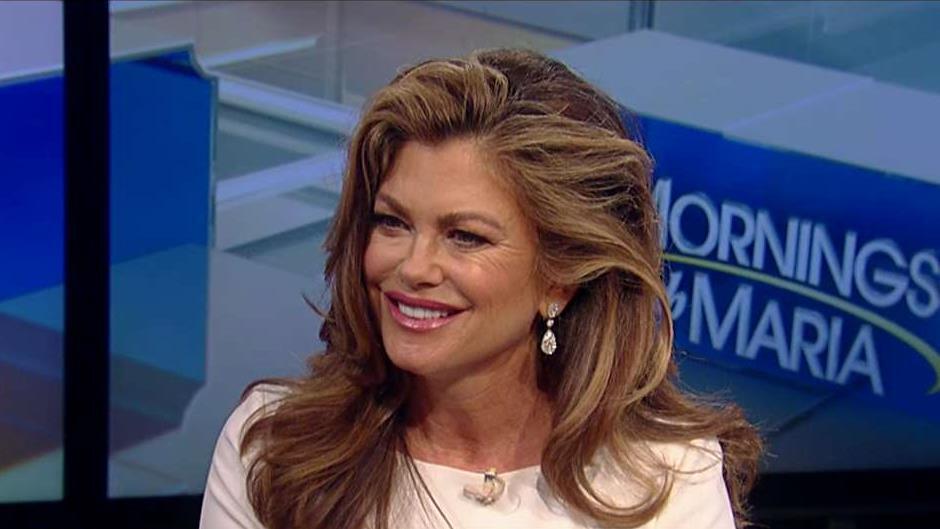
Consider Kathy Ireland, whose namesake company operates as a full-scale business empire with 15,000 products across multiple categories. She’s not a spokesperson for her brand. She’s the operator. That distinction matters. When a CMO partners with founder-talent, they’re not buying access to an audience. They’re gaining a committed business partner whose reputation and personal wealth are directly tied to the venture’s success.
From Endorsers to Co-Builders
The traditional endorsement model treats talent as distribution channels: high-follower counts, red-carpet visibility, temporary campaign alignment. Creator-founders flip this. They’re not maximizing reach per dollar spent. They’re maximizing revenue per dollar invested.
Jake Paul, co-founder of Anti Fund and the mobile betting platform Betr, exemplifies this shift. He moves not as a paid talent but as a business stakeholder evaluating partnership structures, equity upside, and operational synergies. The conversation changes. Brands begin negotiating around revenue-share models, co-development, and founder-level input rather than appearance fees and content calendars.
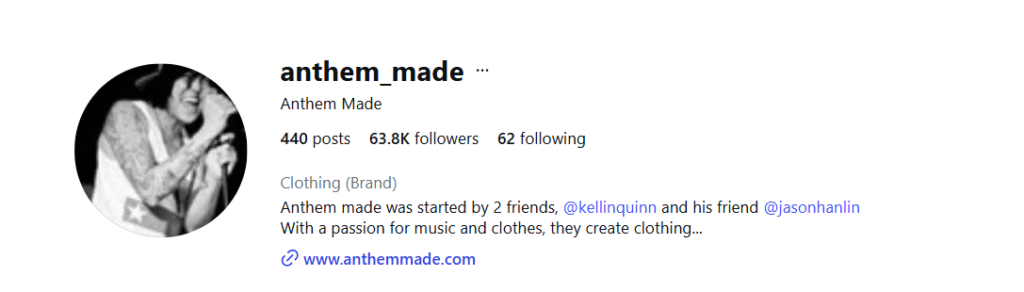
Similarly, musicians-turned-founders like Joel Madden (co-founder of Good Charlotte and the MADE/DMCA Collective) and Kellin Quinn (founder of Anthem Made, his own clothing line) bring operational credibility alongside audience reach. When they partner with a brand, they’re bringing strategic insight and business discipline, not just Instagram followers.
Category Expansion, Not Value Extraction
The final superpower of founder-talent is this: they expand categories rather than extract value from existing ones. A traditional celebrity endorser maximizes the value in an existing market. A founder-talent is motivated to grow the entire market so their equity stake compounds.
This is why brands see longer commitments and better outcomes with founder-talent. Alex Costa, co-founder of Forte Series (a men’s grooming brand) with 4.1 million YouTube followers, isn’t thinking about this quarter’s campaign. He’s thinking about how grooming, wellness, and lifestyle categories evolve over the next decade. His incentives align with market growth, not campaign metrics alone.

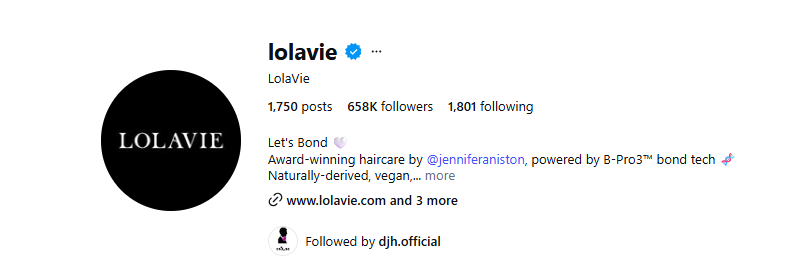
Jennifer Aniston’s LolaVie, which expanded from direct-to-consumer to Ulta Beauty in January 2026, and Zendaya’s Daya by Zendaya, launched as a direct-to-consumer fashion model, are both working to expand their categories, not just extract value from existing customer bases. That motivation attracts longer partnerships and higher trust from both consumers and collaborators.
The Partnership Evolution
For CMOs and brand strategists, the shift is clear: the next generation of talent partnerships won’t look like traditional endorsement deals. They’ll look like founder collaborations, equity structures, revenue-shares, and co-development agreements. Brand partnerships have historically been about renting celebrity credibility. Now, they’re about building alongside it.
MN2S works with founder-talent across entertainment, tech, sports, and lifestyle. The playbook is shifting in real time. If you’re evaluating talent partnerships in 2026, the question isn’t “How big is their audience?” It’s “Do they operate as a founder? Are their incentives aligned with our growth? Are they willing to take equity and commit long-term?”
When the answer is yes, the ROI compounds in ways traditional sponsorships never could.
Ready to explore founder-talent partnerships that drive real growth?
Get in touch with MN2S to discuss strategy.
Related articles
 Celebrity as Creative Co-Owner: Why the Brand Partnership Brief Has Changed Forever19 Jun 2026
 Why Smart Brands Are Treating Creators Like Athletes (And What That Unlocks)13 May 2026
 Talent Marketing’s Next Chapter: One Name, Every Format11 Aug 2026
 The Brands Winning at Pride Marketing Don’t Start in June9 Jun 2026
 Trust Is the New Reach: Why Talent Now Works for Humans and AI searches24 Sep 2026
 How to Bring the World Cup Buzz to your Brand Even if You Don’t Sell Football Boots. Here’s Why the World Cup Is Still Your Moment.11 Jun 2026