



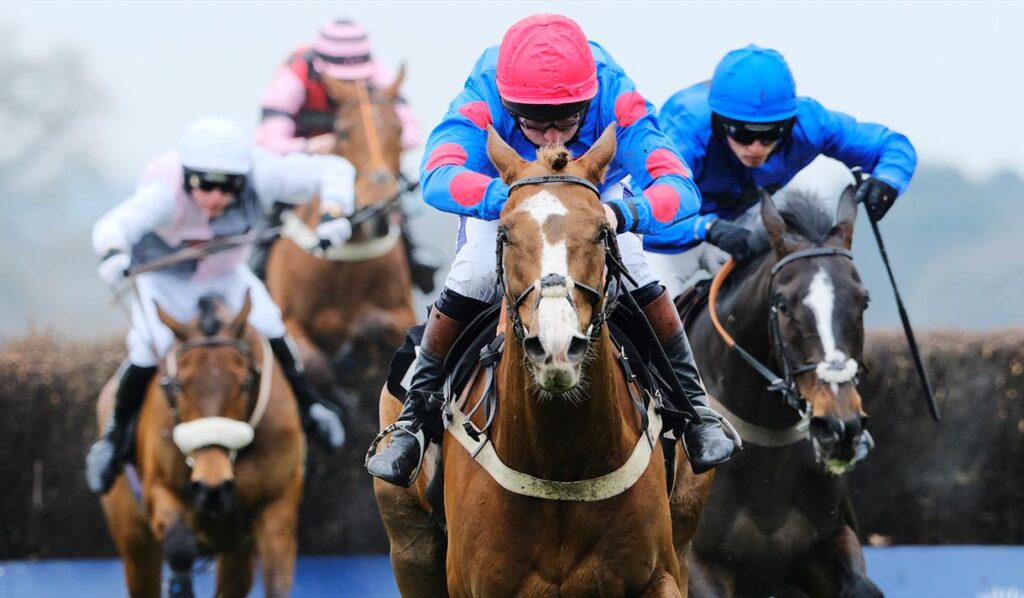
Royal Ascot has always been about more than horses. Brands are finally catching on.
Five days. More than 285,000 attendees. Broadcast live across 180 territories through 30 international broadcasters. A social media audience that skews younger every year, driven not by racing coverage but by fashion content, celebrity appearances, and the ritual spectacle of the Royal Procession. This is Royal Ascot 2026, and it is no longer a niche occasion for betting brands and champagne houses.
It is one of the most valuable, and most underexploited, brand marketing platforms in the British calendar.
The Repositioning Has Already Happened
The signal came early. Ahead of this year’s meeting, Ascot Racecourse unveiled its 2026 Handbook: The Art of Dressing Well, curated by Creative Director Daniel Fletcher and fronted by British supermodel Erin O’Connor. With it came the event’s first-ever official Colour of the Year: Bright Tomato. Drawn from SS26 runway trends at Chanel, Celine and Stella McCartney, the shade is being actively pushed across raceday dressing, millinery and menswear for Gold Cup Day on 18 June.
This is not a tweak to a dress code. This is a cultural declaration. Ascot is explicitly positioning itself as a fashion platform, with a creative director, a colour story, and a campaign aesthetic that belongs on the pages of Vogue, not just the Racing Post. For brands paying attention, the implication is obvious: the audience has shifted, and the opportunity with it.
The Audience Is Not Who You Think
Horse racing remains the spine of the event, but it is no longer the sole reason people show up or tune in. Ascot’s Village Enclosure, opened in 2017, was built specifically for a younger crowd: live music, DJs, a festival atmosphere, and a smart-but-relaxed dress code. It sells out Thursday to Saturday. The youngest, most brand-receptive racegoers are already there.
Globally, the reach of the meeting is routinely misunderstood. Royal Ascot is broadcast into Indian homes via FanCode, available across 52 sub-Saharan African territories through SuperSport, and shown live across Scandinavia, the Middle East, Japan, Australia, and Latin America. The ITV broadcast alone draws over 2 million UK viewers daily. This is not a domestic niche event. It is a five-day international media property, with fashion, hospitality, and royalty baked into the content at no additional cost to brands who know how to show up.
The Talent Opportunity Is Wide Open
The most commercially sophisticated brands at Wimbledon learned something important: you do not need to be an official partner to own the conversation. Ralph Lauren generated £15.3 million in earned media value at Wimbledon 2025, driven largely by celebrity appearances and creator content. Gucci generated £18.2 million, primarily through its partnership with Jannik Sinner. Neither figure required a tournament headline sponsorship.
The same mechanics apply at Ascot, with one crucial difference: the competition is thinner. Wimbledon’s courtside rows are now fiercely contested brand territory. Ascot’s equivalent, the Royal Enclosure and hospitality suites, remains considerably less crowded commercially. For brands willing to move now, there is real first-mover advantage in owning the talent activation space.
The talent strategy does not need to be complicated. It needs to be intentional.
An equestrian brand or luxury automotive partner booking a figure like Olympic show jumping champion Nick Skelton for a Gold Cup Day hospitality appearance lands with heritage credibility that no media buy can replicate. A fashion or lifestyle brand placing a style-forward talent like Neil Jones in the Village Enclosure generates exactly the kind of authentic, high-aesthetic content that drives reach among younger audiences. A broadcaster or financial services brand wanting a credible Ascot-facing presence has in Suzi Perry, a BBC presenter who has covered the Royal Meeting directly, a talent whose association with the event is genuine rather than manufactured.
The principle is the same across all three: the right talent in the right enclosure does not feel like advertising. It feels like culture. That is the distinction that drives earned media.
The Brands Getting It Wrong
Most brands approaching Ascot still think in terms of official partnerships, race sponsorships, or hospitality packages. These are not without value, but they are passive. A brand’s name above a race result is seen once. A celebrity in a box, wearing your product, generating content that reaches their combined audience of hundreds of thousands? That lives for days.
The other mistake is category thinking. Champagne brands activate at Ascot. So do bookmakers and luxury car manufacturers. Every other category, from beauty and skincare to finance, travel, and tech, sees Ascot as someone else’s event. It is not. The audience profile, affluent, fashion-conscious, aspirationally minded, and increasingly global, is one that dozens of brand categories would pay to reach. They simply have not been shown what is possible.
What a Smart Activation Looks Like in 2026
The 2026 Royal Ascot Handbook’s Colour of the Year is not just a fashion directive. It is a content brief. Brands that build their Ascot activation around Bright Tomato, whether through product colourways, talent styling choices, or on-site creative, have a built-in hook that connects to the event’s own editorial narrative. That is free alignment with the moment’s visual language.
The Village Enclosure, with its festival energy and no formal dress code, is the natural home for lifestyle and youth-facing brands who want proximity to Ascot’s cultural cache without the formality of the Royal Enclosure. It also happens to be where the most shareable, spontaneous content gets created.
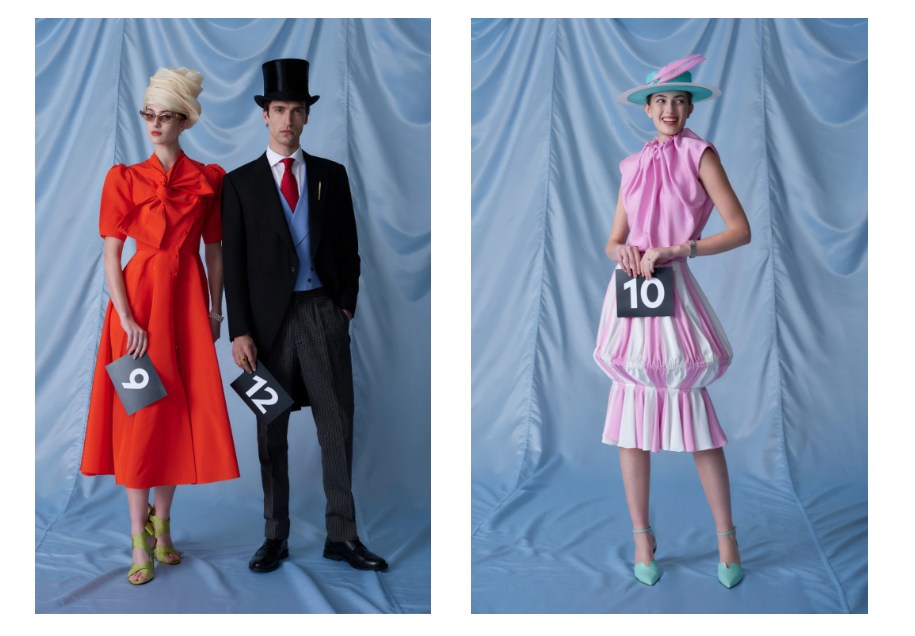
The formula is straightforward. Book talent whose aesthetic and audience fits your brand. Put them in the right enclosure. Create the conditions for genuine content, not scripted posts. Let the setting do the heavy lifting.
Royal Ascot hands you one of Britain’s most recognisable, most aspirational backdrops, a built-in editorial narrative, a global broadcast footprint, and a socially engaged audience that grows year on year. The only question is whether your brand is in the frame.
The Window Is Short
Royal Ascot runs 16 to 20 June. Hospitality and talent partnerships do not materialise in days. The brands making the most of this moment are the ones that move in the next two weeks.
If you want to put the right talent in the right enclosure this June, speak to the team at MN2S.
Check out the MN2S talent roster to book more artists and celebrities.
Related articles
 How to Bring the World Cup Buzz to your Brand Even if You Don’t Sell Football Boots. Here’s Why the World Cup Is Still Your Moment.11 Jun 2026
 160 Million Viewers, Zero Sports Budget: The Eurovision Brand Opportunity Most Marketers Ignore12 May 2026
 Your Conference Speaker Shouldn’t Just Talk to Your Team. They Should Work for Your Brand.15 May 2026
 Stop Building Events. Start Borrowing Audiences.29 Jul 2026
 Soccer Aid for UNICEF just broke its own fundraising record. Again.5 Jun 2026
 Social Media Ban: If You Can’t Reach Them on Their Feed Anymore, Show Up in Real Life Instead15 Jun 2026