



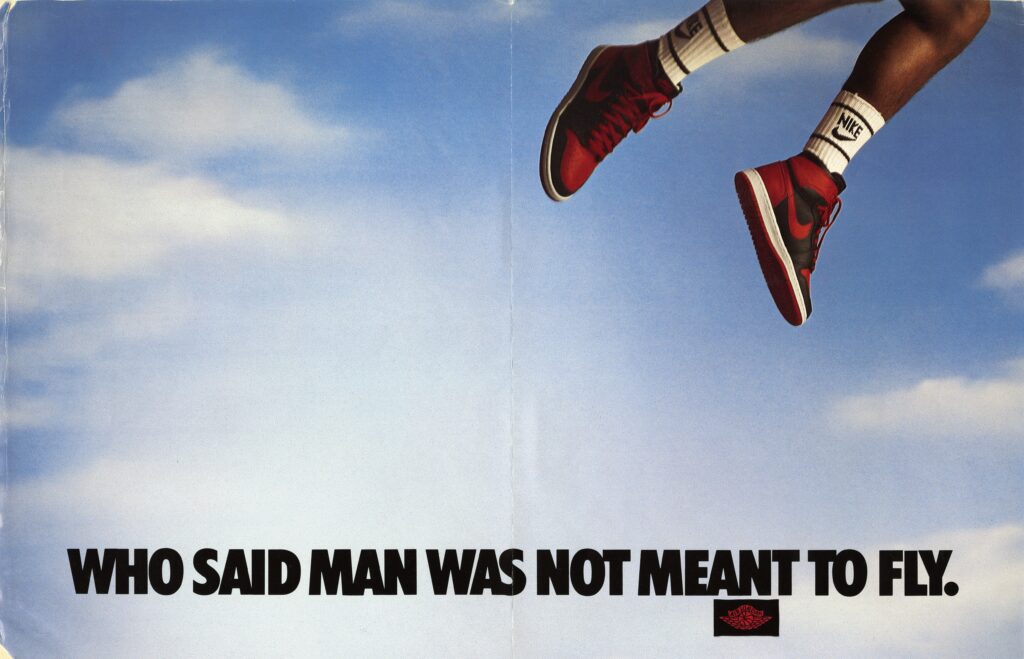
The playbook that built Nike, Adidas and Red Bull didn’t start with posts. It started with people.
Those brands didn’t sign athletes for a campaign. They signed them for a relationship. They built narratives around them, gave them products to co-create, let their identities compound over years into something that felt like culture. The result wasn’t just awareness. It was brand equity that outlasted any single ad.
That logic is now the most underused advantage in creator marketing.
The creator economy is worth an estimated $250 billion, with Goldman Sachs projecting it will near $480 billion by 2027. Influencer marketing industry spend hit $32.5 billion in 2025 and is growing at over 18% annually. The money is moving. What hasn’t moved fast enough is the thinking behind how brands structure these relationships.
Most brand teams still treat creators like media inventory. Brief in, content out, move on. One post, one campaign, next quarter’s roster looks completely different. That approach made sense when the channel was new and brands were testing. It doesn’t make sense now.
The Problem With Transactional
The data is getting harder to ignore. 56% of brands already prefer using the same creator across multiple campaigns, and those that do consistently outperform those cycling through one-off partnerships. The reason isn’t complicated: audiences aren’t stupid. A creator mentioning a brand once looks like an ad. A creator mentioning a brand across six months of content, integrating it into their actual life, starts to feel like a genuine recommendation. That trust is what converts.
There’s a commercial logic to it too. The cost of constantly sourcing, briefing and onboarding new talent is significant. The intellectual capital lost when a campaign ends the relationship dissolved, the audience insight discarded is real. Meanwhile, the creator who worked with you last quarter just took their understanding of your brand and walked it over to your competitor.
Long-term ambassador structures fix this. They protect institutional knowledge. They allow creative to compound rather than reset. And they give brands access to something no media buy can replicate: a creator who actually believes in what they’re selling.
The Athlete Model, Applied
Nike didn’t sign Michael Jordan for one season. They signed him as a foundation, built Air Jordan around his identity, and created a sub-brand that generated over $6.6 billion in annual revenue by 2024. Cristiano Ronaldo has been a Nike partner since 2003. Eliud Kipchoge became the centrepiece of an entire campaign around the concept of human possibility, not just a product launch.
These aren’t endorsement deals. They’re brand architectures built around human beings.
The same logic translates directly into the creator world. The brands seeing the strongest returns in 2026 aren’t the ones with the most creators on their roster. They’re the ones with the fewest, most aligned, most deeply integrated partnerships.
Niomi Smart, the wellness creator and founder of Smart Skin, is the archetype of this model. With 1.4 million Instagram followers and a sustained focus on healthy living and sustainability, she doesn’t just post for brands she represents them at the values level. The brands she works with benefit from genuine community trust, not borrowed audience attention. That kind of alignment takes time to build. It also takes expertise to identify before a competitor does.
Anastasia Kingsnorth has built a 4-million-strong cross-platform audience on the strength of relatable, platform-native content. Her brand ambassador relationship with Footasylum’s Forena label is a clean example of creator-led brand building done right: her audience already trusted her aesthetic instincts, so the product association landed as a natural extension rather than an interruption. The same principle scales to almost any category targeting Gen Z and younger Millennials.
The global dimension matters too. Ivana Alawi, recognised by Google as the top YouTube creator in the Philippines for two consecutive years, commands over 10 million followers with organic, community-first content. For any brand with ambitions in Southeast Asian markets, a partnership built around her credibility delivers reach that paid media simply cannot replicate.
What Co-Creation Changes
The athlete model doesn’t stop at endorsement. The most powerful version is co-creation. When a creator has genuine input into a product, a campaign, a content series, the output stops being marketing and starts being culture.
Morphe’s early influencer collaborations illustrated both the upside and the risk. At its peak, influencer co-created products helped drive revenues past $400 million. The partnerships that worked were those where creators had authentic connections to the product category and the audience believed in the relationship. The lesson from what went wrong is not that creator partnerships are fragile. It’s that the wrong partnerships built on reach alone without values alignment or long-term strategic framing are fragile. The right ones are extraordinarily durable.
That’s the distinction a specialist agency brings. Not just access to talent, but the ability to match at the values level, structure contracts that protect both sides, and build creative frameworks that hold up across years rather than weeks.
The Brief Has to Change
Most influencer briefs are still written like media briefs. Deliverables, usage rights, posting windows, hashtags. That’s the language of transaction.
The brief that unlocks the athlete model asks different questions. What does this creator stand for beyond their content? How does that map onto our brand at the identity level? What would a two-year relationship look like? What could we co-create that neither of us could make alone?
74% of brands are moving budget into creator programmes in 2026. The ones who will win are not the ones spending the most. They’re the ones spending with the most intention.
The infrastructure for this kind of partnership talent vetting at depth, contract architecture, long-term creative strategy, managing exclusivity and alignment across a portfolio is what a specialist agency exists to provide. Not a technology platform with filters. Not a marketplace with a checkout. A partner who understands both sides of the relationship and has the judgment to build something that lasts.
The Window Is Now
Creators who understand their value as brand partners are becoming more selective. The most commercially sophisticated talent is gravitating toward relationships that offer genuine creative input, not just a fee. Brands that move now, before competition for the best-aligned talent intensifies further, build the relationships that become their competitors’ regrets.
The athlete model isn’t a metaphor. It’s a management philosophy. The brands that treat creator partnerships with the same strategic seriousness they bring to product development long-term and values-led will accumulate equity that their transactional competitors cannot buy their way into.
If this is the conversation you want to be having, start it here.
Check out the MN2S talent roster to book more artists and celebrities.
Related articles
 Celebrity as Creative Co-Owner: Why the Brand Partnership Brief Has Changed Forever19 Jun 2026
 From Endorsement to Equity: How Founder-Backed Talent Are Redefining Brand Partnerships30 Jun 2026
 Reactive Talent Marketing should be a Relationship, Not a Scramble16 Jul 2026
 Talent Marketing’s Next Chapter: One Name, Every Format11 Aug 2026
 How to Bring the World Cup Buzz to your Brand Even if You Don’t Sell Football Boots. Here’s Why the World Cup Is Still Your Moment.11 Jun 2026
 Your Conference Speaker Shouldn’t Just Talk to Your Team. They Should Work for Your Brand.15 May 2026