




Why Football Talent Is Driving Brand Partnerships, Corporate Entertainment and Experiential Campaigns
The FIFA World Cup 2026 is expected to be one of the most commercially influential sporting event in history. With matches hosted across the United States, Mexico and Canada, and a record number of teams and global viewers, the tournament is creating unprecedented opportunities for brand partnerships, football marketing campaigns and corporate entertainment activations. For brands, agencies and event organisers, the focus is shifting away from traditional sponsorship and towards football talent-led marketing strategies, where players, legends and pundits are central to storytelling, audience engagement and live experiences.
This evolution is already visible across football brand partnerships, footballer appearances and experiential marketing campaigns.
Football Brand Partnerships in the World Cup 2026 Era
Football brand partnerships continue to be one of the most effective marketing strategies for global brands. As highlighted in MN2S analysis of footballers and brand partnerships, football talent delivers a rare combination of authenticity, emotional connection and international reach. During the World Cup 2026 cycle, these partnerships become even more powerful. Footballers are no longer just campaign faces. They are global media assets, capable of driving engagement across broadcast, digital and social channels simultaneously.
Brands are increasingly prioritising:
- Long-term football brand ambassador partnerships
- World Cup 2026 themed campaigns
- Social-first storytelling with players
- Integrated digital and experiential activations
The result is a shift from simple endorsements to fully immersive marketing ecosystems built around football talent.
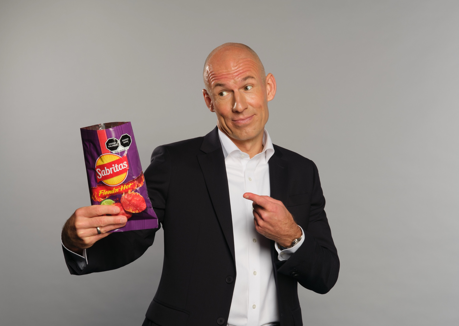
The Campaigns have already started with Arjen Robben
The campaign features Arjen Robben as the main face of Flamin’ Hot’s “Warmest Welcome” marketing push ahead of the 2026 FIFA World Cup. It’s designed to build excitement and visibility for the brand across host countries (Mexico, the US, and Canada). The concept plays on football history especially Robben’s past World Cup moments against Mexico, turning them into a humorous “revenge” storyline. In the campaign, he and fellow player Maxi Rodríguez are welcomed to Mexico with the intense heat of Flamin’ Hot snacks, linking the brand’s spiciness to Mexican culture.
Robben was chosen because of his global recognition, his dramatic history with Mexico in tournaments like 2014, and his energetic playing style, which matches the brand’s bold image. Overall, the campaign blends humour, nostalgia, and cultural storytelling to position Flamin’ Hot at the centre of World Cup excitement in 2026
Footballer Appearances for Corporate Entertainment and Live Events
World Cup 2026 Marketing Trends: From Sponsorship to Cultural Engagement
The most important shift in World Cup 2026 marketing is the move from traditional sponsorship to cultural participation. Brands are no longer focused only on visibility. They are focused on relevance, engagement and experience.
Football talent is central to this shift. Whether through brand partnerships, corporate entertainment bookings, public speaking events or experiential activations, players and legends are helping brands connect directly with global audiences.
The result is a marketing environment where success is defined not just by being seen, but by being part of the football story itself.
Are you part of the FIFIA world cup?
The FIFA World Cup 2026 represents a major evolution in sports marketing, where football brand partnerships, footballer appearances and experiential activations converge into one global ecosystem.
Brands that succeed will be those that move beyond traditional advertising and embrace football talent as the centre of their storytelling strategy.
From corporate entertainment and after dinner speaking to immersive live experiences and global campaigns, footballers and legends are no longer just part of the marketing mix. They are the driving force behind it.
Click here to check out our full Footballing roster.
Related articles
 You Don’t Need a FIFA Badge to Win the World Cup. You Need the Right Talent.8 May 2026
 How to Bring the World Cup Buzz to your Brand Even if You Don’t Sell Football Boots. Here’s Why the World Cup Is Still Your Moment.11 Jun 2026
 Arjen Robben Secured for Flamin’ Hot’s “Warmest Welcome” World Cup 2026 Campaign7 Apr 2026
 Reactive Talent Marketing should be a Relationship, Not a Scramble16 Jul 2026
 Retired, Not Irrelevant: Why Brands Want Football Legends8 Oct 2026
 Clint Dempsey Steps Back Into Sneaker History With Nike and Complex28 May 2026