

Ghetto-house titan DJ Slugo drops retrospective LP ‘The Archive’
8 years ago


 United States
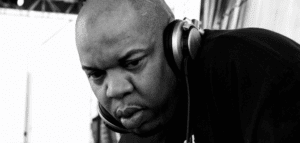
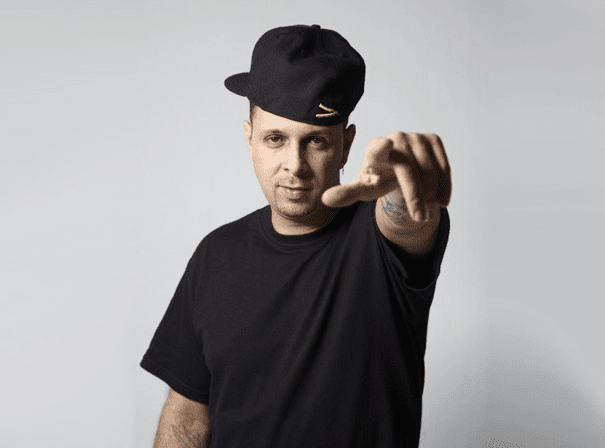
DJ Slugo is a pioneering figure in the ghetto house music scene, recognized for his significant contributions as a DJ, producer, and label owner.
DJ Slugo's career was significantly launched and supported by Dance Mania Records, an iconic label that released his first major works, including his debut album 'Livin’ That Ghetto Life'. The label also distributed his mixtapes and early releases from his own label, Subterranean Playhouse.
Lauren Flax and DJ Slugo collaborated to release a new EP titled 'Ghetto Shh / Get Up' on the Moveltraxx label.
London's Underbeat Magazine recognized DJ Slugo's 'Cardboard Booty' album as "The most influential Ghetto House CD ever made" and referred to him as "The Ghetto-father."
DJ Slugo's 'KING OF GHETTO HOUSE 2' was released on black and orange vinyl through Shuga Records.
Thomas Kendricks, known professionally as DJ Slugo, began his journey in music at an early age in the Robert Taylor Homes in Chicago. Inspired by his cousin Geno, a local DJ, Slugo started learning the fundamentals of DJing around the ages of 11 and 12. By 14 or 15, he secured paid gigs, which solidified his commitment to music as a career. Identifying a gap in the local music scene where existing house music at 125-130 BPM felt too slow for the changing neighborhoods, he was motivated to create his own sound. This led to his early work with the Roland R-70 drum machine, which he famously used to produce tracks like “Where the Rats” and “Wouldn’t You Like to Be a Hoe (Too)” without a traditional sampler, instead utilizing mixer pads for vocal snippets and live sequencing.
His career saw a significant turning point through his connection with DJ Deeon, who introduced him to Ray Barney of Dance Mania Records. Barney provided Slugo with a $1,000 advance and a platform to release his music, starting with his first album, “Livin’ That Ghetto Life,” in 1995. Dance Mania became a crucial label for ghetto house artists, distributing their music to broader audiences. This initial success with Dance Mania allowed Slugo to focus entirely on music production, enabling him to acquire updated studio equipment and establish his own label, Subterranean Playhouse. Through Subterranean Playhouse, he released his own albums, distributed by Ray Barney, further cementing his independence and artistic vision. This period marked a crucial development in his career, allowing him to expand his technical capabilities and creative output.
After facing personal challenges in the early 2000s, including incarceration from 2002 to 2005, DJ Slugo returned to find the ghetto house scene diminished. Determined to revive the genre, he became a central figure in its resurgence, utilizing DVDs like the “Chicago Juke DVD” to document and promote the local juke and ghetto house scenes. He adapted to evolving music consumption trends, transitioning from colored mixtapes to CDs, and later to USB drives that visually mimicked cassette tapes while containing multiple MP3 mixes. Despite his reservations about the financial aspects of streaming, he continued to leverage it for global reach. More recently, he has prioritized physical releases, launching vinyl series like Ghetto House Music and Dance Mania Legends with limited pressings, reinforcing the exclusivity and value of his work. His international touring continues to demonstrate the global appeal of his music, reflecting his deep passion and commitment to the genre.

Curious about our offerings or have inquiries? We're eager to assist!
Just complete the form, and we'll respond promptly.